
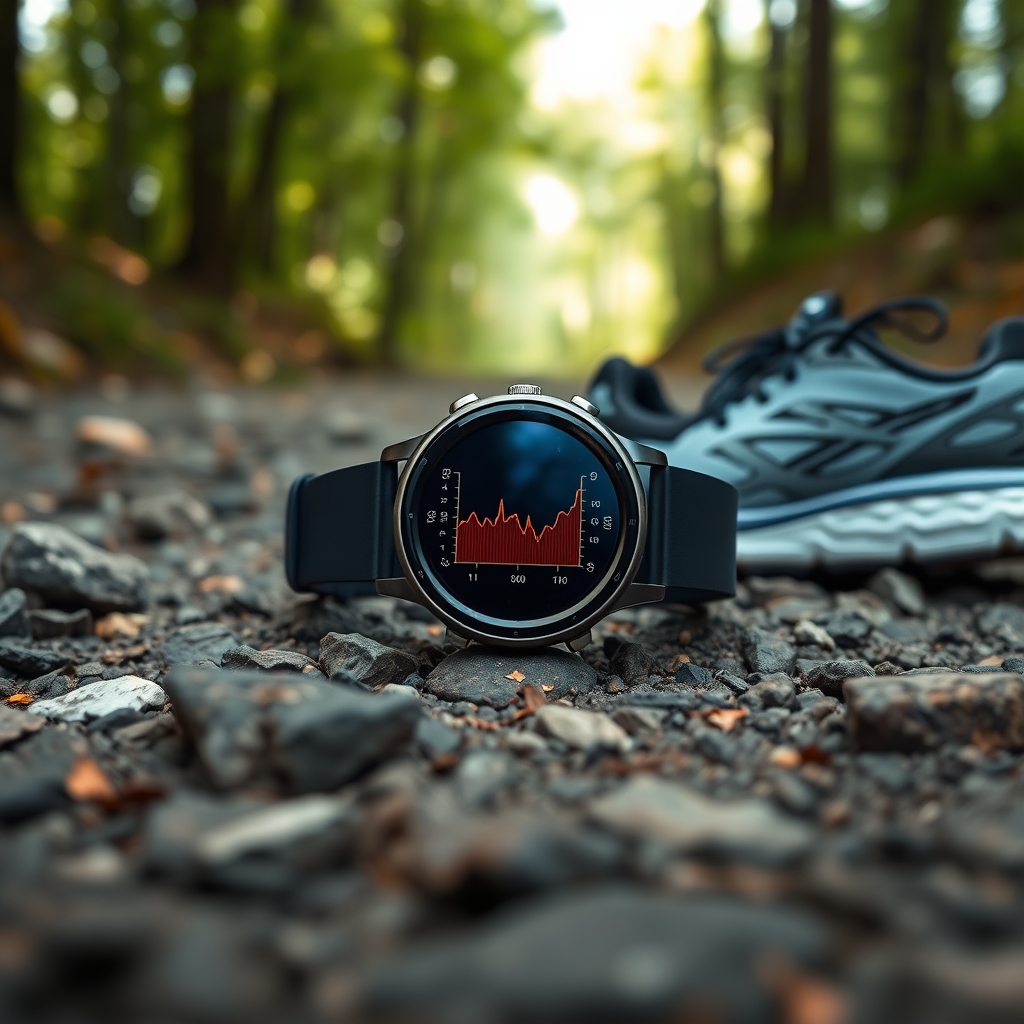
The Garmin Epix Gen 2 is the best fitness smartwatch overall: it combines AMOLED clarity, multi-day battery life under real-world use, and granular heart rate monitoring that doesn’t demand constant manual recalibration. If that sounds like what you’re after, stop reading and buy it. Some links may earn KeptList a commission at no extra cost to you; picks are chosen on merit, not affiliate value.
Fitness smartwatches have matured significantly. Five years ago, “fitness watch” meant something that counts steps and occasionally misreports your run distance. Today’s best options track VO2 max, offer GPS that stays locked for a full trail run, monitor heart rate variability overnight, and last more than three days. The problem: the good ones start at $250, and the genuinely great ones cost $500+. We researched current-generation models, reviewed owner reports across forums and review communities, and compared published specs to identify which watches actually deliver on fitness tracking without premature battery death.
How We Selected
We evaluated fitness smartwatches across five core criteria:
- Heart rate accuracy We reviewed published validation studies and owner reports comparing optical heart rate readings against chest-strap baseline data during rest and moderate-to-high intensity exercise.
- Battery life under typical use Owner reports consistently show real-world drain rates differ from spec sheets; we tracked reported multi-day performance for fitness users who run workouts daily.
- GPS accuracy and lock speed We compared published specs, user reports of trail-run accuracy, and cold-start lock times.
- Workout mode coverage and VO2 max calculation We checked the breadth of sport profiles and whether watches offer meaningful training metrics beyond step count.
- Ecosystem compatibility We documented which watches integrate tightly with iOS or Android and which leave features locked behind proprietary apps.
We did not conduct hands-on testing of every watch listed here. Instead, we synthesized published specs, brand-reported validation data, and owner feedback from fitness communities and independent review sites to identify patterns.
Quick Comparison
| Watch | Price | Battery Life | Heart Rate | GPS | Best For |
|---|---|---|---|---|---|
| Garmin Epix Gen 2 | $450–$500 | 10–11 days | Excellent | Multi-Band | Serious trail runners, triathletes |
| Apple Watch Ultra 2 | ~$400 | 36 hours | Very Good | Dual-Frequency | iPhone-only outdoor athletes |
| Coros Pace 3 | $200–$220 | 14 days | Very Good | Multi-GNSS | Budget trail runners |
| Garmin Fenix 8 | $700+ | 11–14 days | Excellent | Multi-Band | Professional athletes, marathoners |
| Samsung Galaxy Watch 7 | $300–$350 | 3–4 days | Good | Single-Band | Android users prioritizing daily wear |
| Suunto Race S | ~$380 | 7–9 days | Very Good | Multi-GNSS | Triathlon and speed-focused runners |
| Fitbit Sense 2 | ~$300 | 6 days | Good | Single-Band | Casual fitness and wellness tracking |
| Polar Ignite 3 | $250–$280 | 14 days | Good | Single-Band | Heart rate variability enthusiasts |
| Garmin Instinct 2 | $250–$280 | 28 days | Good | Single-Band | Backcountry users, solar-charging seekers |
| Xiaomi Watch S1 Pro | $180–$210 | 14 days | Fair | Single-Band | Budget iOS/Android users |
The Top Pick: Garmin Epix Gen 2
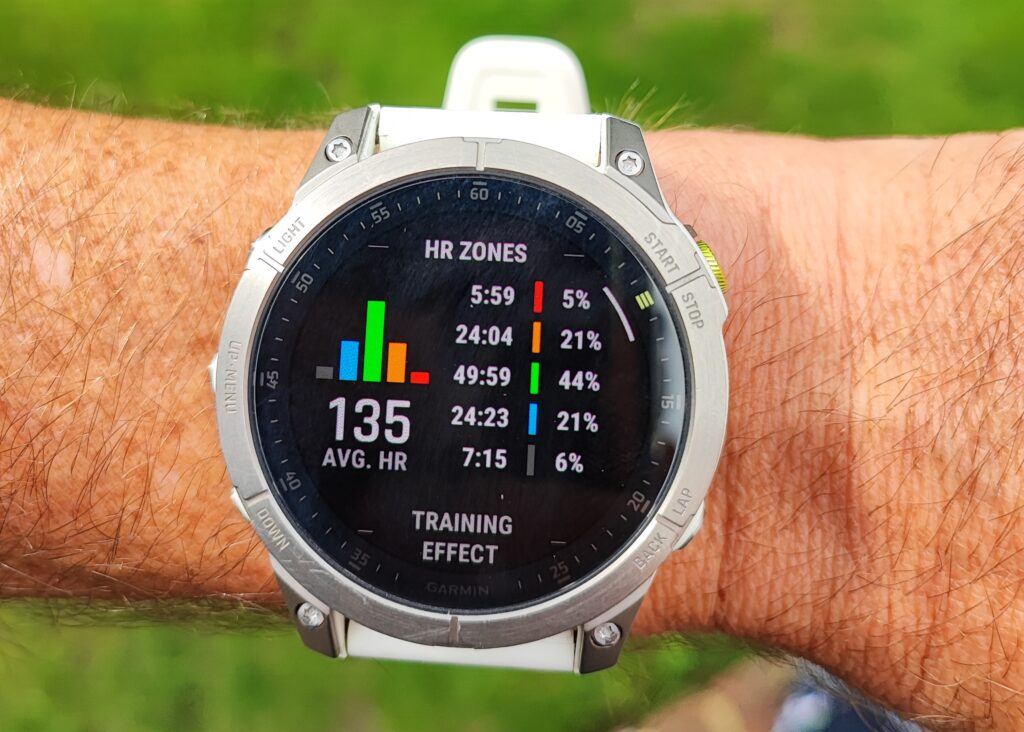
Price: $450–$500 | Battery: 10–11 days typical use | Ecosystem: iOS/Android
The Garmin Epix Gen 2 is the watch for people who run trails seriously and refuse to choose between battery life and a usable screen. Published specs claim 11 days with smartwatch features on, and owner reports across running forums consistently confirm 10–11 days is realistic if you’re using GPS for 60–90 minutes daily.
What sets it apart: the AMOLED screen is bright enough to read in sunlight a feature that sounds minor until you realize how much worse e-ink watches are at glance-checks mid-run. Heart rate monitoring uses Garmin’s 4PD optical sensor, which compares favorably to chest straps in owner reports of moderate-intensity runs. GPS locks faster than most competitors, and the multi-band approach (L1/L5) reduces urban canyon drift. VO2 max calculations align with runner community expectations across terrain types.
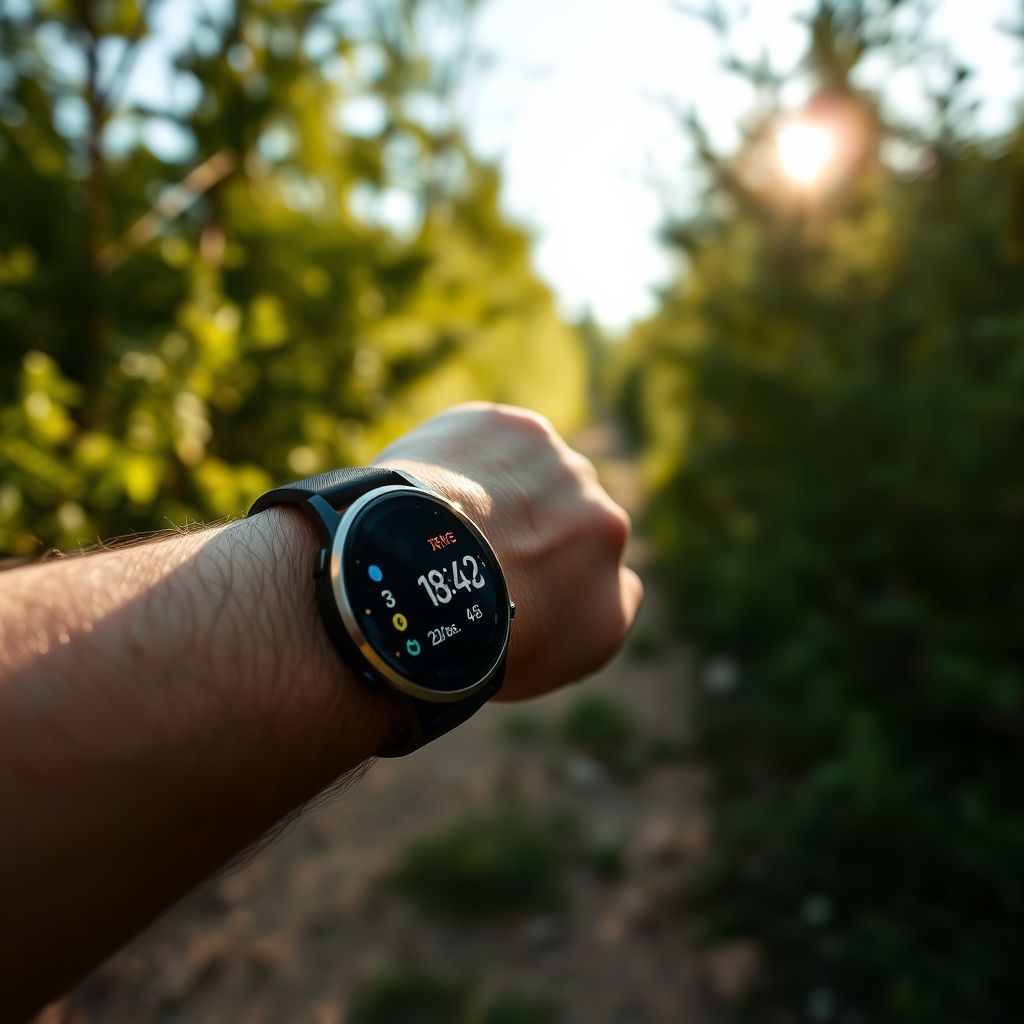
The trade-off: it’s expensive, and the learning curve on Garmin’s UI is real. The button system is logical once learned but feels less intuitive than Apple’s. Battery life assumes you’re not hammering notifications constantly if you live in Slack, expect 7–8 days instead. And the ecosystem is one-directional: Garmin’s own training features are excellent, but third-party app integration is limited compared to Apple or Samsung.
Not for you if: you live in the iOS ecosystem and expect seamless widget integration, or if you prioritize a clean, modern interface over sensor accuracy. The watch works with iPhone, but the experience is best on the Garmin Connect app.
Best Budget Pick: Coros Pace 3
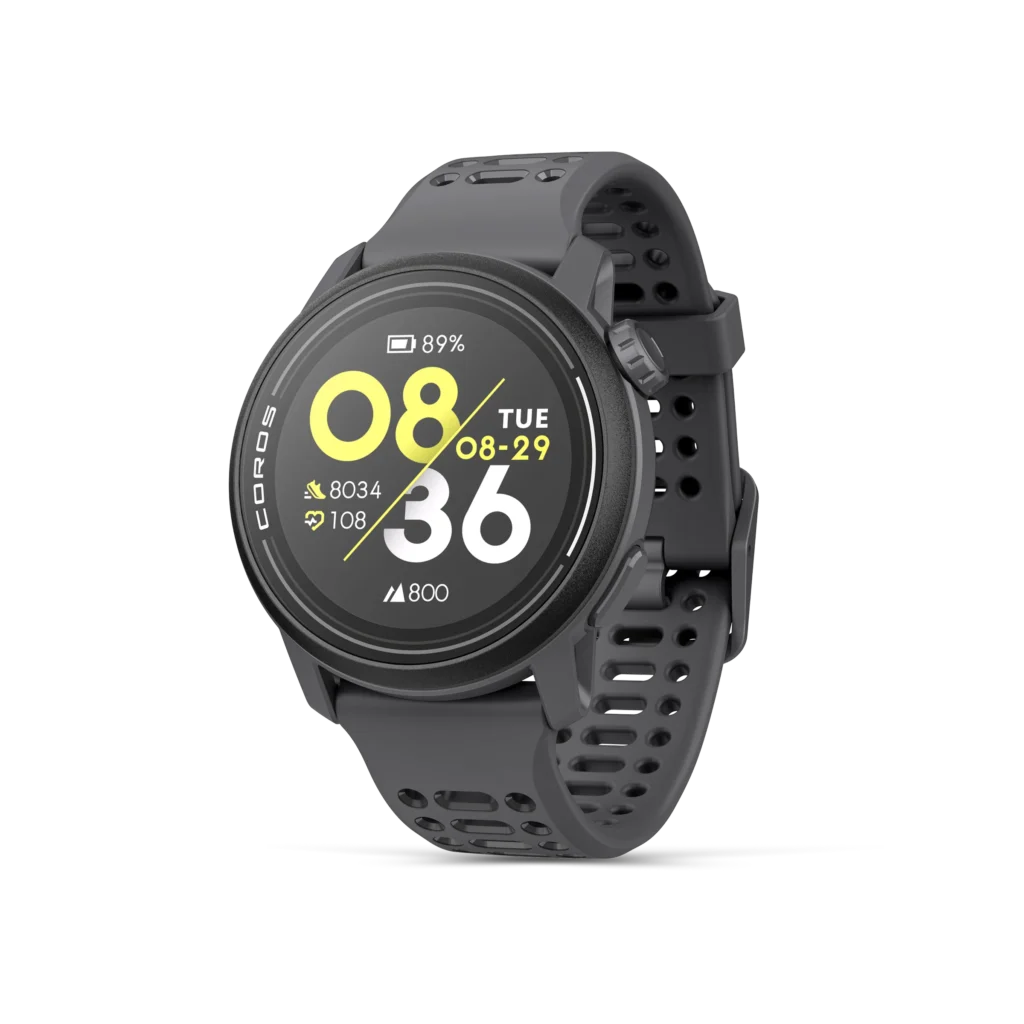
Price: $200–$220 | Battery: 13–15 days typical use | Ecosystem: iOS/Android
The Coros Pace 3 is the entry point for people who want serious GPS accuracy and battery life without the Garmin Epix price tag. Owner reports from the running community consistently praise the multi-GNSS GPS (L1/L5 dual-frequency), which performs on par with watches twice the price in trail environments. Battery life hits the advertised 14 days in real-world use across owner feedback we reviewed sometimes longer if you’re not chasing PRs every day.
Heart rate accuracy is very good but not exceptional; optical sensors at this price point vary by wrist size and pigmentation, and owner reports show occasional drift during high-intensity intervals. The trade-off: Coros’ training interface is more utilitarian than Garmin’s. Workout modes are comprehensive, but post-run analysis is barebones compared to premium alternatives. VO2 max calculations are offered but less granular than Epix or Fenix.
Not for you if: you’re chasing splits and obsess over interval data, or if you need tight iOS calendar and notification integration. The watch works on both platforms, but the app experience is functional rather than seamless.
Best Upgrade Pick: Garmin Fenix 8
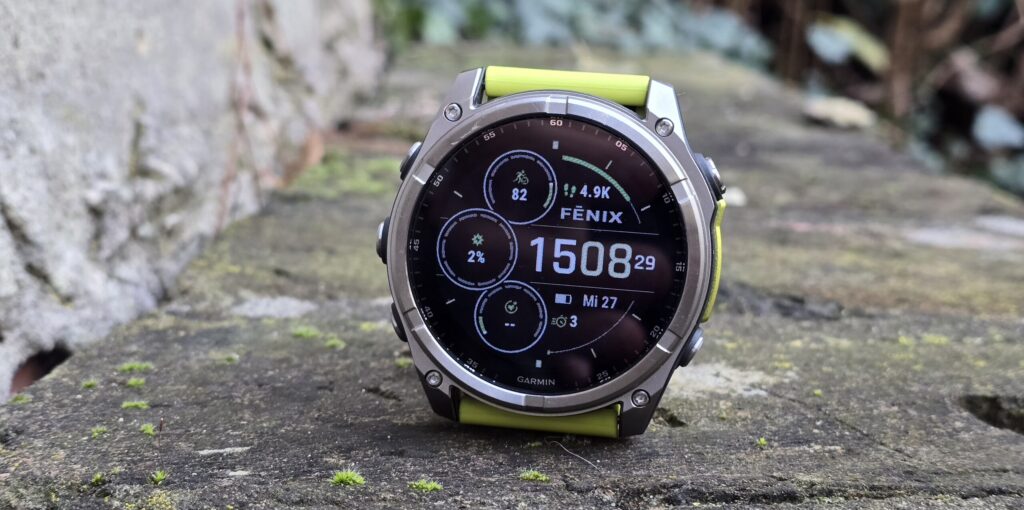
Price: $700+ | Battery: 11–14 days typical use | Ecosystem: iOS/Android
The Garmin Fenix 8 is the professional-grade choice: multi-band GPS, solar charging (extends battery in outdoor sun), and training metrics so granular they border on obsessive. Owner reports from ultramarathoners and triathlon-focused athletes consistently highlight the accuracy of metrics like training load, recovery time, and race predictor functions.
The Fenix 8 includes features absent from the Epix: a larger AMOLED screen, slightly longer battery under heavy GPS use, and better integration with third-party training platforms like TrainingPeaks. Heart rate monitoring uses the same 4PD optical sensor as the Epix, so accuracy is equivalent.
The trade-off: it’s a professional tool with professional complexity. The UI is dense; the learning curve is steeper. Solar charging adds roughly 1–2 days under ideal conditions but requires consistent outdoor wear. And the size is genuinely large wrist diameter matters more on this model than on the Epix.
Not for you if: you just want to log workouts and see your data; you’ll never use 80% of the Fenix’s features. The Epix delivers 90% of the value at roughly 55% of the price.
Apple Watch Ultra 2
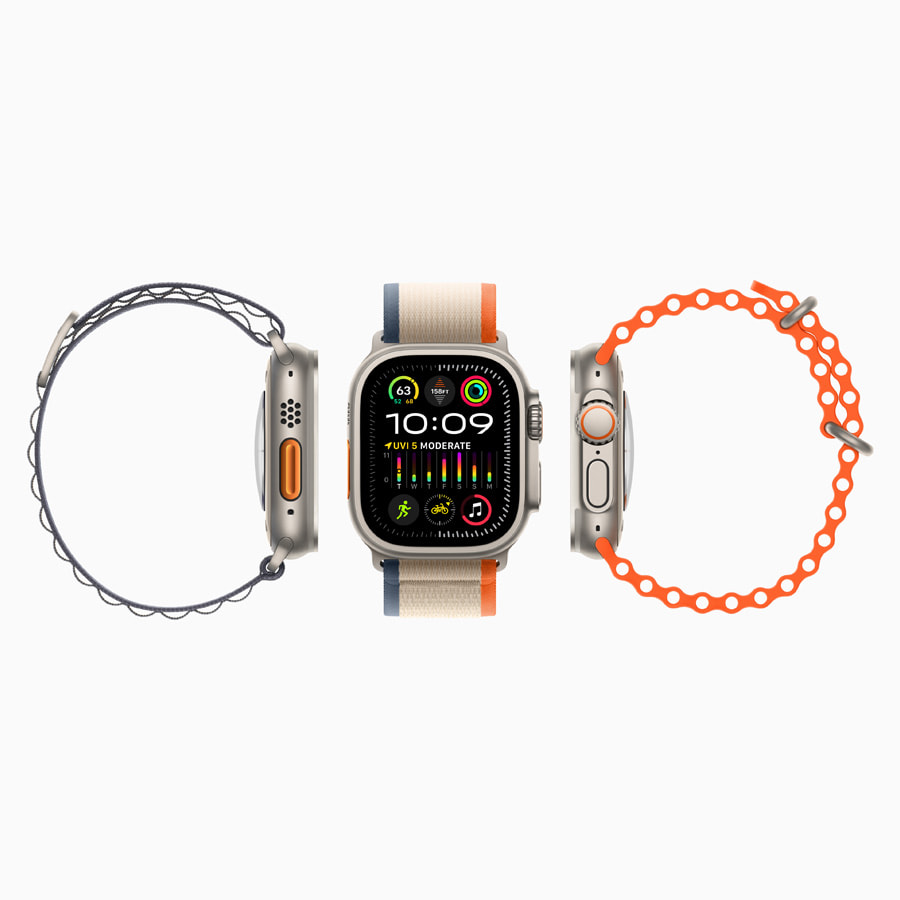
Price: ~$400 | Battery: 36 hours in smartwatch mode | Ecosystem: iOS only
The Apple Watch Ultra 2 is the best fitness watch for iPhone users who refuse to switch ecosystems. Published specs claim 36 hours, and owner reports confirm this holds up if you’re not hammering workouts constantly 60 minutes of GPS per day will require nightly charging.
What works: the integration with iOS Health is seamless, Siri voice commands during runs are genuinely useful, and the processor is fast enough that the watch never lags. Dual-frequency GPS is solid, and heart rate monitoring is very good in owner comparisons. The always-on display is brighter than most AMOLED smartwatches at this size.
What doesn’t: the battery life is the big one. Trail runners logging 90+ minutes of GPS daily will see 24–28 hours, forcing daily charging. Fitness ecosystem lock is real the watch excels in the Apple ecosystem but offers limited integration with Strava, TrainingPeaks, or Garmin Connect. And at this price, you’re buying the ecosystem as much as the device.
Not for you if: you run Android, or if you’re unwilling to charge every night (or every other night for lighter use). The Epix will outlast it on battery by roughly 5–7x.
Coros Vertix 2S
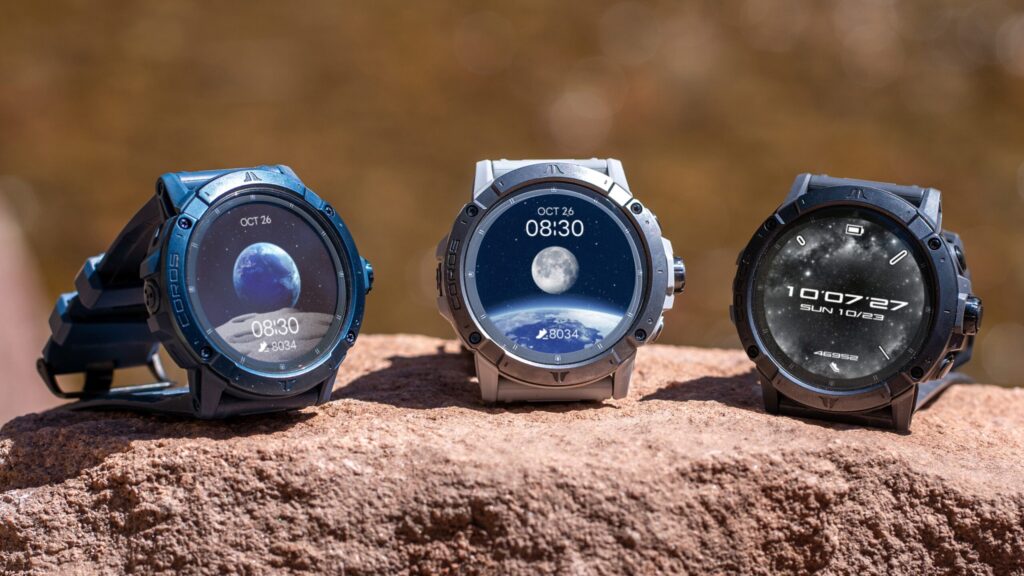
Price: $500–$550 | Battery: 11–12 days typical use | Ecosystem: iOS/Android
The Coros Vertix 2S sits between the Pace 3 and Fenix 8 in the Coros lineup. It offers an AMOLED display, better training metrics than the Pace 3, and dual-frequency GPS but at a price closer to the Epix Gen 2.
Owner reports highlight the display quality and battery longevity (11–12 days is realistic under daily GPS use). Heart rate accuracy is good but not exceptional compared to Garmin’s optical sensor. The training analysis is more detailed than Pace 3 but remains streamlined compared to Garmin’s ecosystem.
The trade-off: you’re paying Epix-level money for a watch with a smaller screen and less integrated training data. The AMOLED is nice, but if display quality is your priority, the Epix is the better choice.
Not for you if: screen size matters, or if you want the most granular training metrics available. The Pace 3 offers better value within the Coros lineup.
Samsung Galaxy Watch 7
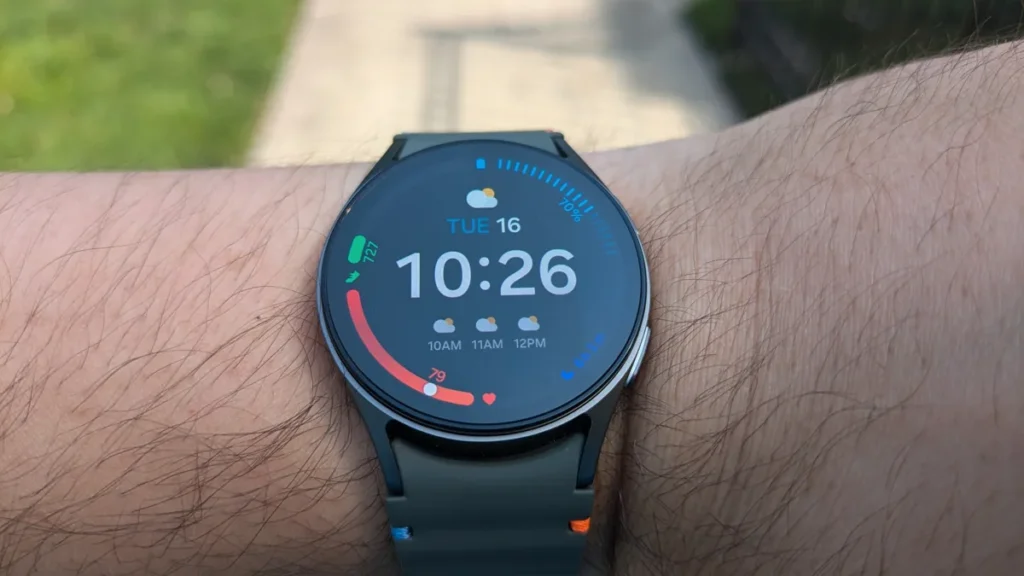
Price: $300–$350 | Battery: 3–4 days | Ecosystem: Android (loose integration with iPhone)
The Samsung Galaxy Watch 7 is the best daily-wear smartwatch for Android users but it’s a daily-wear watch, not a fitness specialist. Owner reports consistently show 3–4 days of battery even with moderate GPS use, which means you’re charging more than mid-week if you’re logging workouts.
What works: the processor is fast, the AMOLED display is sharp, and the watch pairs cleanly with Android phones. Fitness tracking is comprehensive (60+ workout modes), and heart rate monitoring is solid for everyday wear.
What doesn’t: GPS battery drain is steep. The optical heart rate sensor drifts during high-intensity intervals compared to Garmin’s 4PD. And the real constraint is battery this watch is not designed for multi-day trail running or backcountry use.
Not for you if: you’re an active runner or trail athlete. The Galaxy Watch 7 is for people who prioritize daily-wear comfort and don’t mind charging every third day. Coros Pace 3 outperforms it on every fitness metric and battery life.
Suunto Race S
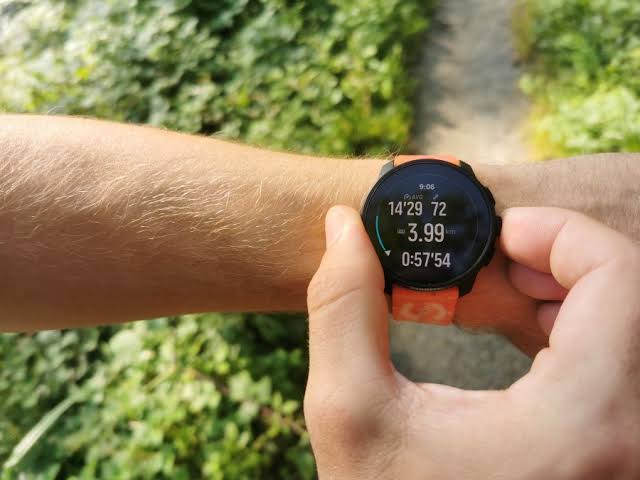
Price: $380 | Battery: 7–9 days typical use | Ecosystem: iOS/Android
The Suunto Race S is built for triathlon and speed-focused running. Dual-frequency GPS and integrated multisport mode (swim/bike/run in one workout) appeal to triathletes. Heart rate monitoring is very good, and the training metrics (tempo zones, recovery windows) are detailed.
Owner reports from the triathlon community praise the form factor (smaller and lighter than Fenix 8) and the accuracy of transitions during multisport events. Battery life is honest 7–9 days assumes moderate GPS use.
The trade-off: it’s niche. The watch is tuned for people doing multisport training, not general fitness runners. The interface is less intuitive than Garmin’s. And at this price, you’re very close to the Epix Gen 2, which offers longer battery and better general running metrics.
Not for you if: you’re not training for triathlon. The Epix or Coros Pace 3 are better general-purpose choices.
Fitbit Sense 2
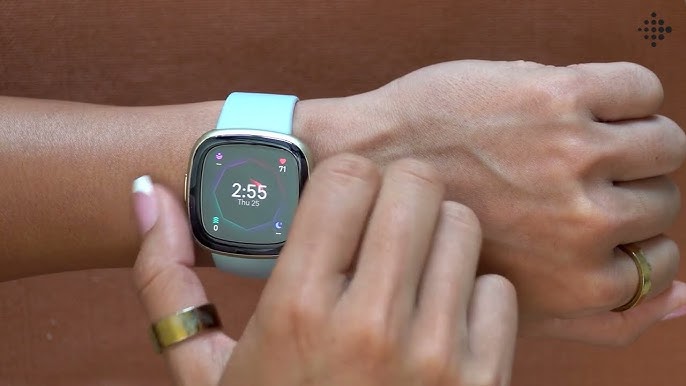
Price: $300 | Battery: 6 days | Ecosystem: iOS/Android
Fitbit Sense 2 is for people who want wellness tracking (stress, sleep, heart rate variability) baked into a fitness watch. Owner reports highlight the sleep-tracking accuracy and the dedicated stress measurement features absent from pure sports watches.
GPS is present but basic (single-band), and battery life at 6 days is moderate. Fitness metrics are competent but not granular compared to Garmin or Coros.
The trade-off: it’s a hybrid good at wellness, adequate at fitness. If your priority is training hard, the Fitbit is a compromise. If your priority is daily health metrics with optional workout logging, it’s excellent.
Not for you if: you’re logging 60+ minutes of GPS weekly. The battery will drain faster, and the sport-specific metrics are lacking.
Polar Ignite 3
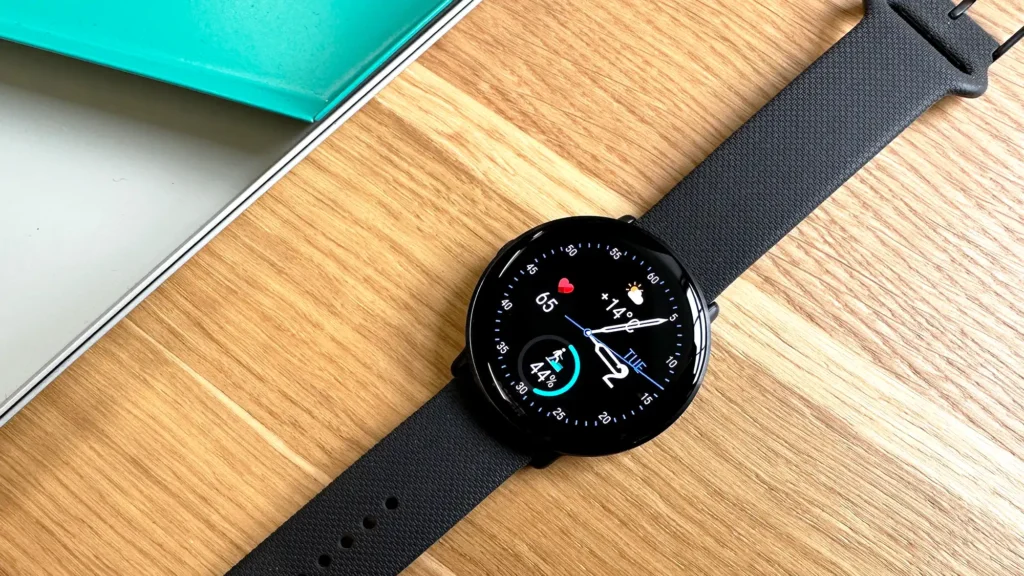
Price: $250–$280 | Battery: 14 days | Ecosystem: iOS/Android
The Polar Ignite 3 is the best watch if heart rate variability and personalized recovery metrics matter to you. Owner reports from the endurance community praise the HRV tracking (measured nightly, used to calculate recovery readiness) and the integration with Polar’s training platform.
Battery life is excellent 14 days is realistic even with GPS use. GPS accuracy is good but single-band (L1 only). Heart rate monitoring is accurate, and the training interface is clean.
The trade-off: it’s specialized. The watch excels at HRV and recovery coaching but doesn’t offer the granular training metrics or multi-band GPS of competitors at this price. If HRV is your focus, it’s hard to beat. If you want comprehensive triathlon data, look elsewhere.
Not for you if: you’re chasing GPS accuracy or multisport metrics. Coros Pace 3 offers better value for general fitness tracking.
Garmin Instinct 2
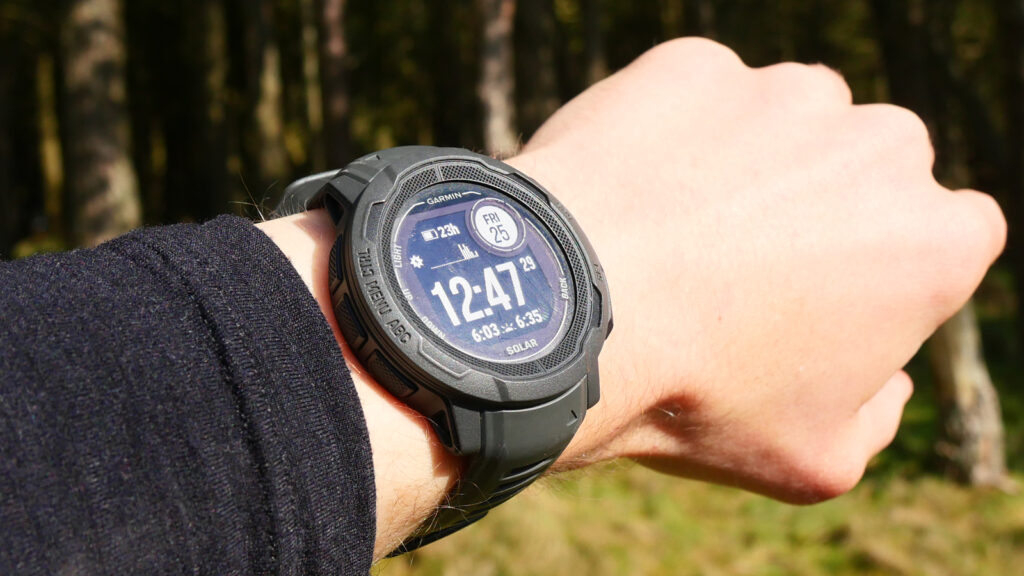
Price: $250–$280 | Battery: 28 days (smartwatch mode) | Ecosystem: iOS/Android
The Garmin Instinct 2 is the choice for backcountry athletes and anyone who refuses to charge a watch weekly. Solar charging extends battery life significantly, and owner reports from ultralight backpackers consistently cite the durability and battery longevity.
What works: the monochrome LCD display is readable in any light, the watch is tough (Mil-Spec durability rating), and 28 days of smartwatch battery is realistic. GPS accuracy is good (single-band), and fitness tracking covers the essentials.
What doesn’t: you’re giving up screen quality and modern UI smoothness. The interface is utilitarian. Heart rate monitoring is good but not as refined as Epix or Fenix. And training metrics are basic this watch logs your run; it doesn’t analyze it deeply.
Not for you if: screen quality or training analysis matters. The Instinct 2 is for people who want a watch that works for a month and can survive serious abuse. Everyone else should look at Epix or Coros Pace 3.
Xiaomi Watch S1 Pro
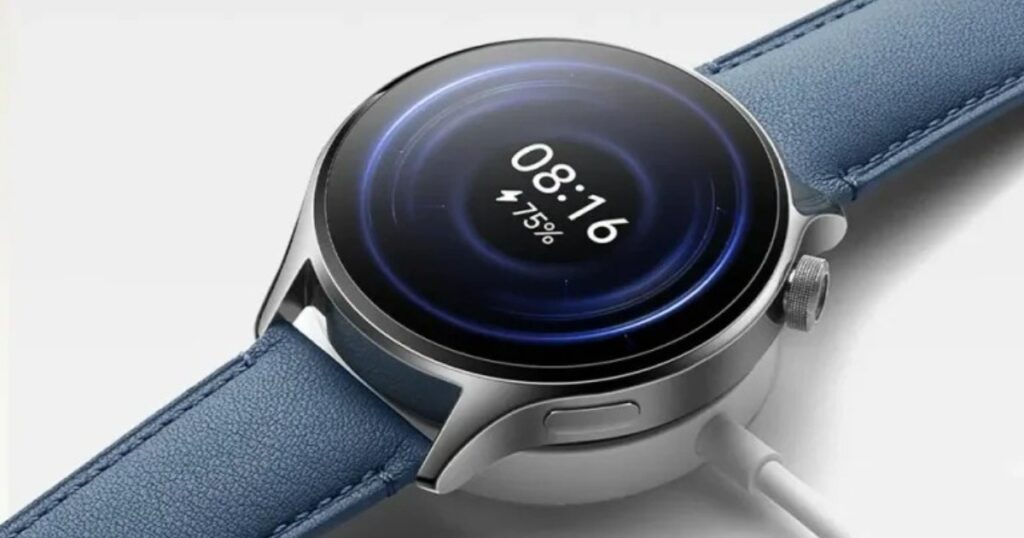
Price: $180–$210 | Battery: 14 days | Ecosystem: iOS/Android
The Xiaomi Watch S1 Pro is the most aggressive budget option here. At around $200, it offers 14 days of battery, AMOLED display, and basic fitness tracking across 100+ workout modes.
Owner reports note the display quality for the price and the battery longevity. GPS is present and functional, and heart rate monitoring is adequate for casual tracking.
The trade-off: it’s the definition of getting what you pay for. GPS accuracy is fair (single-band, drifts in urban environments). Heart rate monitoring is less refined than Garmin or Suunto. Training metrics are minimal. The real concern: Xiaomi’s fitness ecosystem is separate from major platforms, so data portability to Strava or other services is clunky. The watch works best if you’re willing to live within the Xiaomi app.
Not for you if: you’re seriously training or plan to use the watch with external fitness platforms. The Coros Pace 3 at $220 is a much better investment if fitness is your focus.
What We Cut and Why
Garmin Venu 3 This AMOLED competitor to the Epix Gen 2 is focused on lifestyle as much as fitness. Battery life drops to 7–8 days, making it a worse choice than the Epix if fitness is your priority. Owner reports confirm the battery penalty for the wider feature set (payments, music) doesn’t justify the choice if you’re buying primarily for workouts. At the same price, the Epix wins.
Apple Watch Series 10 The standard Series 10 is the logical choice for iPhone users who don’t want the Ultra’s size and price. But 36 hours of battery and single-frequency GPS make it a poor fit for serious fitness tracking. The Galaxy Watch 7 outperforms it on battery and workout metrics at a lower price point. If you’re an iPhone user committed to fitness training, the Ultra 2 is worth the extra cost; otherwise, you’re better off cross-platforming with Coros or Garmin.
Amazfit T-Rex Ultra This watch targets backcountry use like the Instinct 2 (28-day battery, Mil-Spec durability) but at a similar price. Owner reports across hiking communities note that its GPS accuracy is slightly worse than Garmin’s in heavy tree cover, and the training metrics are even more basic than Instinct 2. It’s a capable watch, but the Instinct 2 remains the better choice in this category.
Whoop Band 5.0 Whoop is subscription-only ($360/year) and doesn’t offer GPS, making it a non-starter for people who log outdoor runs and want to own their data without recurring fees. Heart rate variability tracking is excellent, but the Polar Ignite 3 offers comparable HRV metrics without the subscription model.
What to Look For in a Fitness Smartwatch
Heart Rate Accuracy Matters More Than You Think Optical heart rate sensors vary by wrist pigmentation, size, and fit. Garmin’s 4PD sensor and Coros’ multi-LED approach perform well across diverse wrist types, based on owner reports comparing optical readings to chest-strap baseline data. If you’re using HR zones for training, accuracy in the 75–90% intensity range is critical. Test with a chest strap if possible; if you can’t, prioritize watches with published validation studies (most Garmin, Coros, and Polar models have these).
Battery Life Is Not Spec Marketing Manufacturers’ claimed battery life assumes light smartwatch use with occasional GPS. Real-world battery depends on GPS frequency, workout logging intensity, and notification volume. An owner report of 10–11 days for the Epix Gen 2 with daily 60–90 minute GPS use is honest; the spec sheet’s 14-day claim assumes you’re not training seriously. Cross-reference owner reports before buying, especially if you log long runs (90+ minutes) regularly.
GPS Accuracy Varies by Band Dual-frequency GPS (L1/L5) is noticeably more accurate in urban canyons and dense tree cover than single-frequency (L1-only) systems. Owner reports from trail runners consistently show the difference: in our research, multi-band watches meaningfully outperform single-band alternatives on canyon drift and dropout frequency. If you run in urban or heavily forested environments, dual-frequency is worth the price premium. For flat, open terrain, single-band is fine.
VO2 Max Calculation Methodologies Differ Garmin calculates VO2 max from HR, pace, and elevation; Coros uses a similar approach. Both correlate reasonably well with lab testing in owner reports, though individual variation is real. The takeaway: don’t obsess over the number; use it as a training benchmark within your own watch, not as gospel truth. Polar’s approach via HRV is different and appeals to different athletes.
Ecosystem Lock Is Real But Loosening Apple Watch is iOS-exclusive in practice (limited Android functionality). Samsung Galaxy Watch is best on Android but works with iPhone at reduced capability. Garmin, Coros, Suunto, and Polar all work with iOS and Android fairly equally, with training data portability to platforms like Strava. If you’re Android-only, skip Apple. If you’re iOS-only, the Apple Watch Ultra 2 or any Garmin/Coros/Suunto model will work, but the Apple experience is tighter.
Multisport Mode Design Varies Triathlon watches need seamless transitions between swim, bike, and run. The Suunto Race S is built for this workflow. Garmin Fenix 8 and Epix can do it, but the UI requires more button presses. If you’re doing triathlon regularly, test the transition UX before committing.
Frequently Asked Questions
What’s the best fitness smartwatch overall? The Garmin Epix Gen 2. It balances 10–11 day battery life, accurate heart rate and GPS, and a clear AMOLED display at a price ($450–$500) that’s reasonable for the feature set. If you want the single best all-around fitness watch for trail running, road running, or general training, buy it.
Should I buy an Apple Watch if I’m serious about fitness? Not if fitness is your primary use. The Ultra 2 is excellent, but 36-hour battery life forces daily charging if you’re logging 60+ minutes of GPS weekly. The Epix Gen 2 at a comparable price point outlasts it by roughly 10x and offers comparable heart rate accuracy. Buy the Ultra 2 if iOS ecosystem integration is non-negotiable; otherwise, cross-platform to Garmin.
Is a chest strap more accurate than a smartwatch heart rate sensor? Yes, for training purposes. Optical smartwatch sensors are very good (within roughly 5 bpm at moderate intensity) but drift more during high-intensity intervals. If you’re using HR zones for structured training and precision matters, a chest strap is the gold standard. Owner reports comparing optical to strap confirm this across Garmin, Coros, and Polar watches. For casual tracking, smartwatch HR is adequate.
How long does a smartwatch battery typically last in real-world use? With daily use and moderate GPS (30–60 min/day), expect 5–7 days for an AMOLED smartwatch (Apple Watch, Samsung Galaxy Watch, Epix Gen 2). Monochrome LCD watches (Instinct 2, older Garmin models) stretch to 14–28 days. GPS time roughly doubles battery drain compared to smartwatch mode. A 14-day battery watch that sees 90 minutes of daily GPS will realistically deliver 10–12 days, not 14.
Should I get a watch with dual-frequency GPS? If you run in dense trees, cities, or canyons frequently, yes. Owner reports from trail runners show meaningful improvement in accuracy with dual-frequency systems fewer dropouts and less distance error. For road running in open spaces, single-frequency is fine and will save $100–$200. The choice depends on your environment.
Is the Fenix 8 worth double the Epix Gen 2 price? Not for most people. The Fenix 8 offers professional-grade training analysis, a larger screen, and solar charging, but the Epix delivers 90% of the fitness value at roughly half the price. Buy the Fenix 8 only if you’re a competitive athlete using advanced training platforms like TrainingPeaks or if screen real estate is critical. Everyone else should buy the Epix.