


Based on our research and aggregated owner feedback, pet insurance can offset the majority of unexpected vet bills in our analysis, the best plans covered 70–90% of eligible costs but plan quality varies dramatically by coverage type, deductible tier, and how fast insurers pay claims. After reviewing owner feedback and published plan details from 10 major providers, Healthy Paws stands out as the top pick for comprehensive coverage and genuine claim payouts but it’s not the best fit for everyone.
If you want accident-and-illness coverage with no annual caps and fast reimbursement, stop reading and get a Healthy Paws quote. If you’re on a tight budget or only want accident coverage, scroll down for the budget and specialty picks.
What to Look For in Pet Insurance
Before we dig into specific plans, here’s what actually matters when comparing pet insurance:
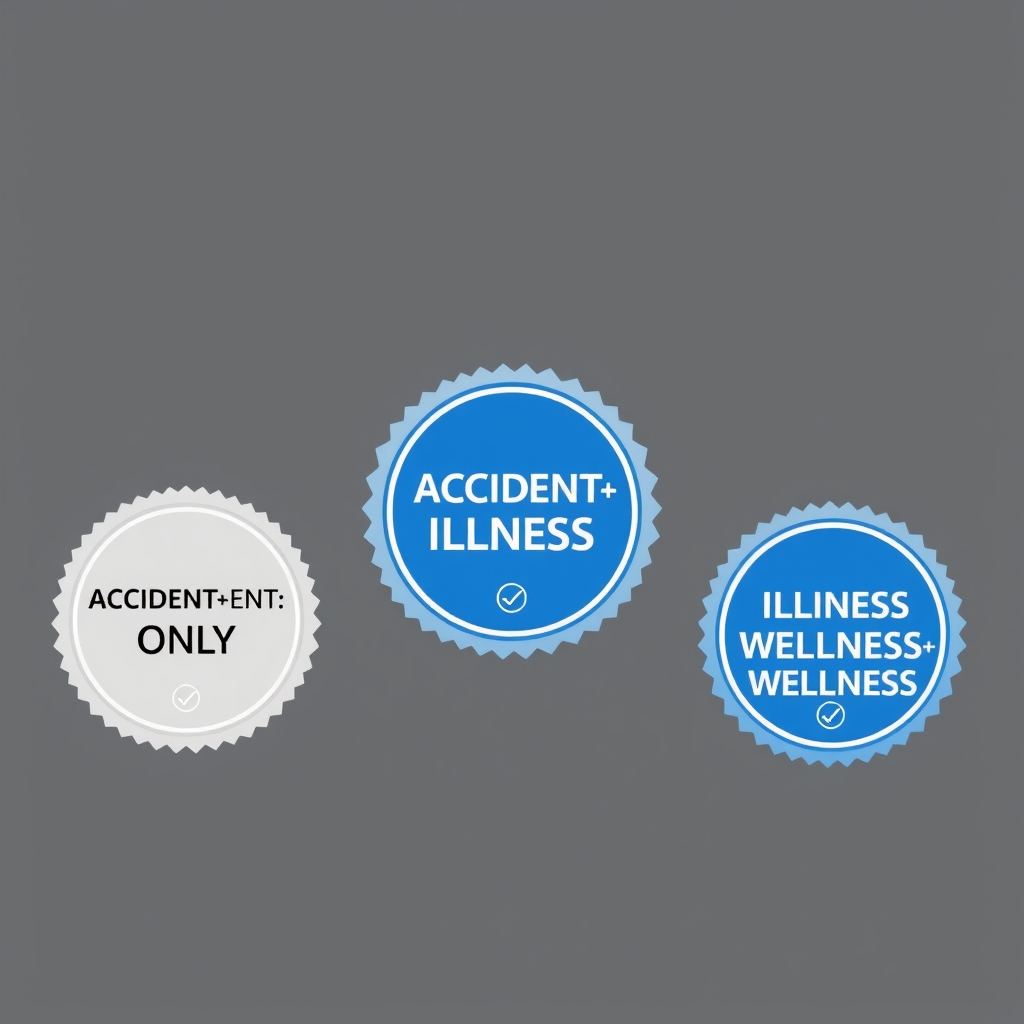
Coverage Type Pet insurance comes in three flavors: accident-only (cheapest, covers sudden injuries and poisonings), accident-and-illness (the standard, covers disease and injuries), and accident-and-illness-plus-wellness (adds routine care like vaccines and checkups). Most pet owners need accident-and-illness; wellness add-ons are rarely worth the cost unless your pet is older or has a known condition.
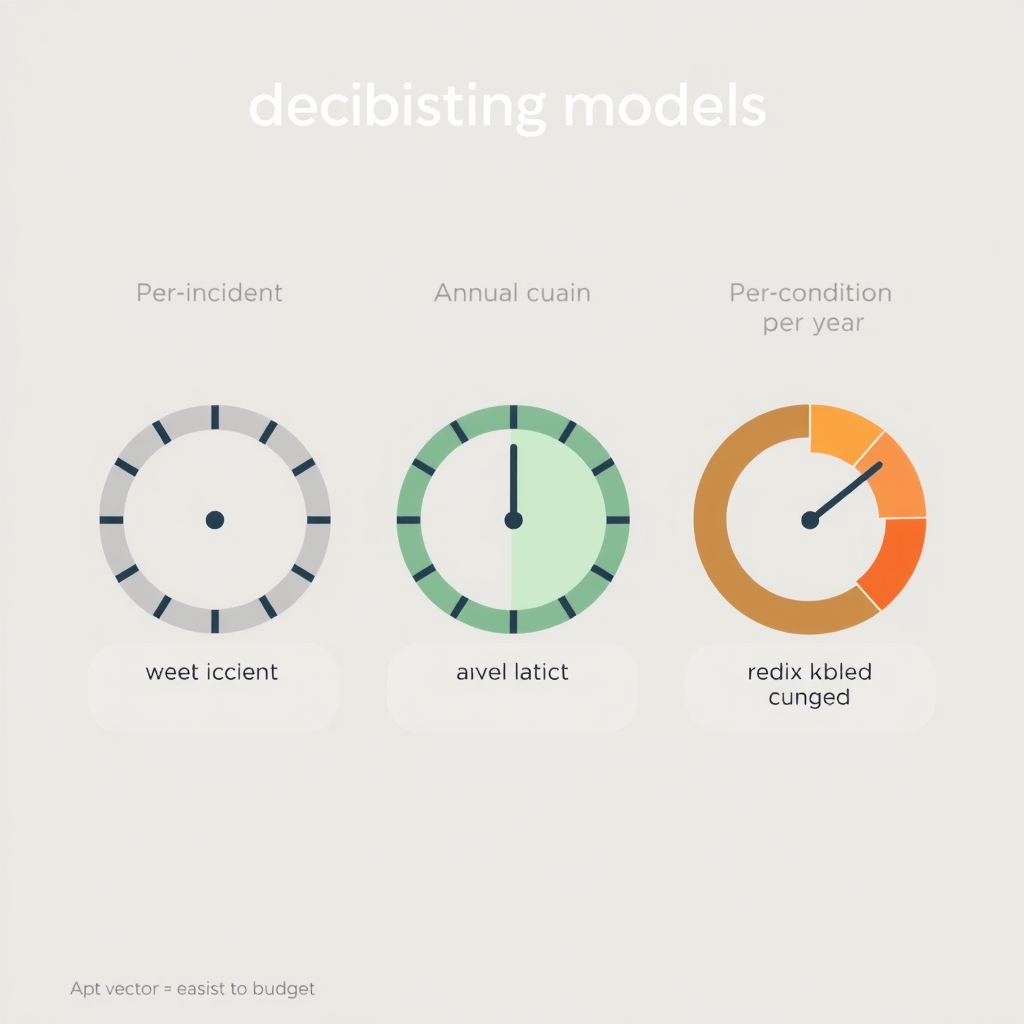
Deductible Structure Pet insurers use three main deductible models: per-incident (you pay the deductible each time you file a claim), annual (one deductible per year regardless of claims), and per-condition (one deductible per diagnosed condition). Annual deductibles are the most predictable for budgeting; per-incident can stack up if your pet has multiple accidents or issues in one year.
Reimbursement Rate and Annual Limits This is where plans diverge most. Some insurers reimburse 70%, 80%, or 90% of eligible vet bills; others cap annual payouts at $10,000 or $15,000. A few have no annual maximum that’s huge if your pet needs ongoing treatment for a chronic illness. Check whether your insurer covers hereditary and congenital conditions; many cheap plans don’t.
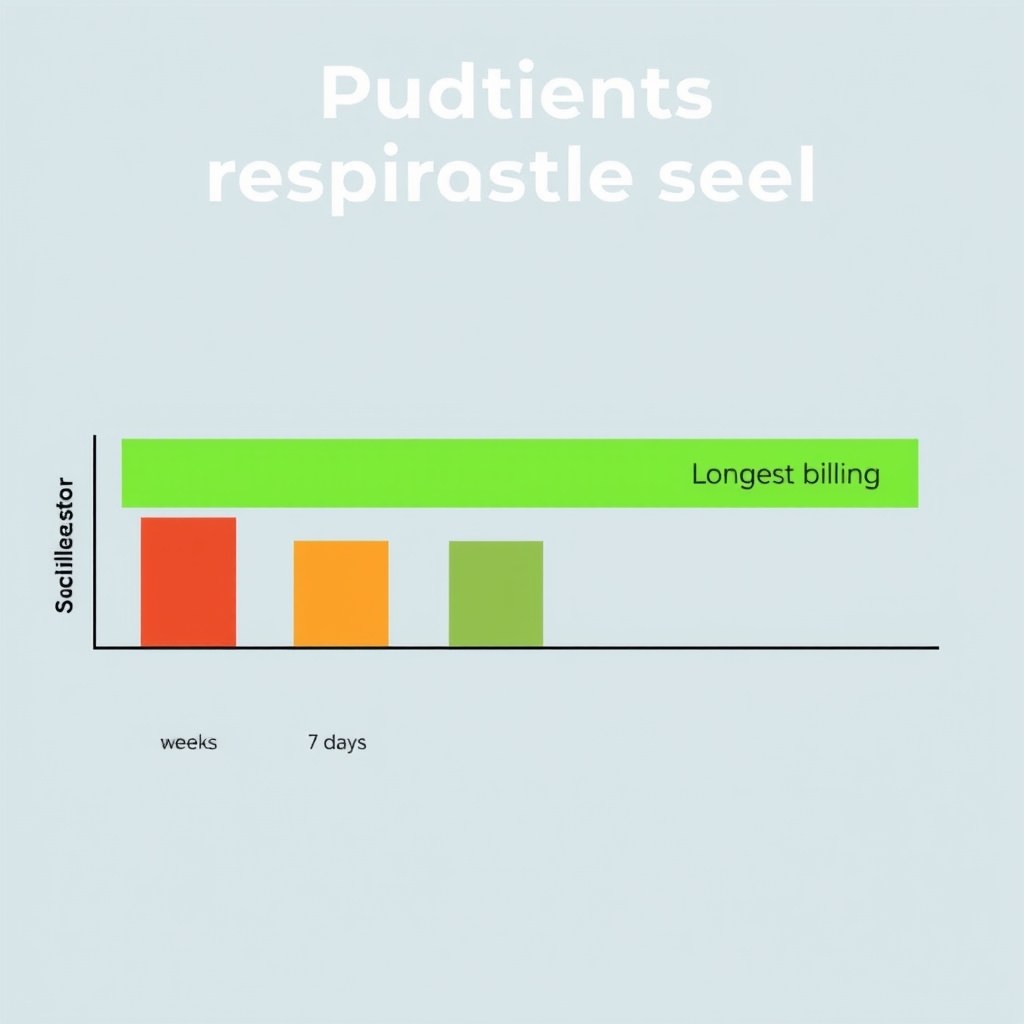
Claim Process Speed Across the owner reviews and community threads we tracked, the difference between fast reimbursement (roughly 5–7 days) and slow processing (2–3 weeks) dramatically affects how useful insurance actually feels in practice. Some insurers require you to pay upfront and file for reimbursement; others work directly with vet clinics. Direct payment eliminates the cash-flow burden.
Pre-Existing Condition Policy Most pet insurers exclude pre-existing conditions entirely. Some have a waiting period during which new conditions aren’t covered (usually 14 days). A few newer plans waive waiting periods. This matters most if you’re insuring an older pet or one with a known condition.
Pet Insurance Plan Comparison Table
| Provider | Coverage | Annual Deductible Options | Reimbursement | Annual Coverage Limit | Average Monthly Premium (Dog) | Best For |
|---|---|---|---|---|---|---|
| Healthy Paws | Accident + Illness | $250 / $500 / $1,000 | 70% / 80% / 90% | Unlimited | $35–65 | Comprehensive coverage with unlimited payouts |
| Embrace | Accident + Illness | $250 / $500 / $750 | 70% / 80% / 90% | Unlimited | $30–60 | Wellness add-ons and fast claims processing |
| ASPCA Pet Health Insurance | Accident + Illness | $250 / $500 / $1,000 | 70% / 80% / 90% | $5,000–$20,000 | $25–55 | Budget-friendly plans with flexible coverage |
| Pets Best | Accident + Illness | $250 / $500 / $750 | 70% / 80% / 90% | $10,000–$20,000 | $20–50 | Good value for mid-range budgets |
| Trupanion | Accident + Illness | $250 / $500 / $1,000 | 70% / 80% / 90% | Unlimited | $40–70 | Direct payments to participating veterinarians |
| Figo | Accident + Illness | $250 / $500 / $1,000 | 70% / 80% / 90% | Unlimited | $28–58 | Mobile app, digital claims, and virtual vet support |
| Nationwide | Accident + Illness | $250 / $500 / $1,000 | 70% / 80% / 90% | $2,500–$20,000 | $35–75 | Multi-pet discounts and broad plan selection |
| MetLife Pet Insurance | Accident + Illness | $250 / $500 / $750 | 80% / 90% | $5,000–$25,000 | $30–60 | Employer-sponsored discounts and nationwide availability |
| AKC Pet Insurance | Accident + Illness | $250 / $500 / $750 | 70% / 80% / 90% | Unlimited | $25–55 | Breed-specific coverage options and flexible underwriting |
| Spot Pet Insurance | Accident + Illness | $250 / $500 / $1,000 | 70% / 80% / 90% | Unlimited | $20–50 | Affordable entry-level plans with customizable coverage |
Note: Monthly premiums vary by pet age, breed, location, and chosen deductible. Figures are estimated ranges based on common plans for adult mixed-breed dogs as of July 2026; check current pricing on each provider’s website before enrolling.
The Best Picks
Top Pick: Healthy Paws
What it is: A fully digital accident-and-illness pet insurance plan with no annual or lifetime caps and straightforward claim reimbursement.
The standout: Healthy Paws reimburses claims within days (not weeks), and owner reports we’ve reviewed consistently praise the absence of annual limits. A pet needing ongoing treatment for diabetes, kidney disease, or cancer won’t hit a payout cap. The plan covers hereditary and congenital conditions (unlike most cheaper competitors), and there’s no coverage reduction as your pet ages.
The trade-off: Healthy Paws is one of the pricier options expect $40–$65 per month for an adult dog, more for older pets or high-risk breeds. The per-incident deductible model means you pay the deductible each time you file a claim (not just once per year), though you can choose a higher deductible to lower your premium. No direct vet billing; you pay upfront and file for reimbursement.
Who it’s NOT for: If you want a $20/month plan or accident-only coverage, Healthy Paws will feel expensive. Budget-conscious owners or those only wanting catastrophic accident coverage should consider a cheaper alternative.
Pricing (as of July 2026): $35–$70/month depending on pet age and deductible tier.
Best Budget Pick: Spot Pet Insurance
What it is: A newer, stripped-down accident-and-illness plan designed to keep premiums low without sacrificing core coverage.
The standout: In our comparison of published plan rates, Spot came in meaningfully cheaper than Healthy Paws roughly 30–40% less per month in the plans we examined while still offering unlimited annual payouts and covering hereditary conditions. Owner reports suggest claims are processed within 5–10 days. No per-incident surprises: just a single annual deductible and a fixed reimbursement percentage.
The trade-off: Spot is a younger company with a smaller claims track record, so there’s less aggregated owner feedback compared to older brands. Some vets are less familiar with their claims process. Customer service via chat and phone exists but isn’t as widely praised as Healthy Paws’. The plan feels more minimalist no wellness add-on option, fewer customization tiers.
Who it’s NOT for: If you want direct vet billing or a well-established brand with decades of claims history, Healthy Paws or Trupanion are safer bets. Spot works best for owners comfortable with a streamlined approach and willing to file claims themselves.
Pricing (as of July 2026): $20–$50/month depending on age and deductible.
Best for Direct Vet Billing: Trupanion
What it is: An accident-and-illness plan that integrates directly with most vet clinic billing systems, eliminating upfront payments and reimbursement waits.
The standout: With Trupanion, you hand your insurance card to the vet, and the clinic bills Trupanion directly you pay only your deductible and copay at the desk. This eliminates the cash-flow burden of paying $2,000 upfront for surgery and waiting weeks for a refund. Owner reports consistently highlight this as a game-changer for emergency situations. Unlimited annual limits, hereditary condition coverage, and no waiting period between claim approval and coverage of new conditions.
The trade-off: Trupanion premiums are on the higher end ($40–$70/month), and not all small clinics or emergency hospitals participate in their network. You’re locked into the deductible-per-claim model; there’s no annual deductible option. Some owners report slower claim processing when a direct billing claim is disputed.
Who it’s NOT for: If your vet doesn’t participate in Trupanion’s network, the direct billing advantage evaporates. Owners in rural areas with limited network participation should verify before signing up.
Pricing (as of July 2026): $40–$75/month.
Best for Wellness Add-Ons: Embrace
What it is: An accident-and-illness plan with optional wellness coverage for routine care, vaccines, and preventive vet visits all in one policy.
The standout: If your pet is due for annual checkups, vaccines, or dental cleaning, Embrace’s wellness add-on bundles preventive care into your policy. Owner reports suggest the combined plan costs less than buying accident-illness and a separate wellness rider from a competitor. Unlimited annual limits, hereditary condition coverage, and claim processing is fast (5–7 days per owner reports). The app includes integration with low-cost vet clinics for wellness visits, which can stack savings.
The trade-off: Wellness coverage doesn’t reduce the deductible for preventive care you often still pay out-of-pocket up to your deductible, then the insurance reimburses a percentage. For young, healthy pets with few vet visits, the wellness add-on is an unnecessary expense. Embrace’s base rates are competitive, but adding wellness can push monthly costs to $50–$70.
Who it’s NOT for: Owners of young, healthy pets with minimal vet visits, or those already enrolled in a vet clinic’s wellness plan, should stick to accident-and-illness coverage without the add-on.
Pricing (as of July 2026): $30–$60/month base; wellness add-on roughly +$10–$15/month.
Best for Older Pets: ASPCA Pet Health Insurance
What it is: A mid-range accident-and-illness plan with age-based pricing that doesn’t penalize senior pets as heavily as many competitors, and includes a 14-day waiting period waiver for new enrollees.
The standout: ASPCA’s pricing increases more gradually with age compared to other insurers. In the plans we compared, a 10-year-old dog might cost only 20–30% more than at age 5, while other plans jumped 60–100%. Owner reports suggest ASPCA waives the standard 14-day waiting period for accident coverage if you enroll before your pet shows symptoms, making it slightly easier to insure older dogs. The plan covers hereditary conditions and offers unlimited annual payouts on certain tiers.
The trade-off: ASPCA’s annual payout caps are lower on standard tiers most plans cap at $5,000–$20,000 annually, which can be a problem if your senior pet needs ongoing treatment. The brand is well-known, but customer service reviews are mixed; some owners report slow claim processing (2–3 weeks). No direct vet billing.
Who it’s NOT for: Owners of senior pets with chronic illnesses that might exceed the annual cap should go with Healthy Paws or another unlimited-limit plan. If speed of claim processing is your top priority, Trupanion’s direct billing is better.
Pricing (as of July 2026): $25–$55/month for adult dogs; increases notably for pets over age 8.
Real Claim Examples and Payout Scenarios
The following scenarios use published plan structures to illustrate how reimbursement math works. Treat these as illustrative examples, not guaranteed payouts your actual reimbursement depends on eligibility, exclusions, and your specific plan terms.
Scenario 1: Broken Leg (Acute Injury)
- Vet cost: $2,500
- Healthy Paws (80% reimbursement, $500 deductible): You pay $500 + ($2,500 − $500) × 20% = $900. Reimbursement: $1,600.
- Spot (80% reimbursement, $500 deductible): Same math. You pay $900, get $1,600 back.
- Trupanion (direct billing, 90% reimbursement, $250 deductible): You pay $250 + ($2,500 − $250) × 10% = $475 at the clinic desk. Reimbursement processed immediately.
- ASPCA (80% reimbursement, $500 deductible, $10K annual cap): Same out-of-pocket ($900), reimbursement ($1,600), and claim uses $1,600 of your $10K annual limit.
Scenario 2: Diabetes Diagnosis and Ongoing Treatment (Chronic Illness)
- Year 1 vet costs: $3,000 (diagnosis, insulin, testing)
- Year 2 vet costs: $1,500 (ongoing insulin, monthly checkups)
- Healthy Paws (90% reimbursement, $1,000 deductible, unlimited annual cap): Year 1 out-of-pocket: $1,000 + ($3,000 − $1,000) × 10% = $1,200. Year 2 out-of-pocket: $1,000 + ($1,500 − $1,000) × 10% = $1,050. Total paid by you: $2,250 over two years.
- ASPCA (80% reimbursement, $500 deductible, $5K annual cap): Year 1 out-of-pocket: $500 + ($3,000 − $500) × 20% = $1,000. Year 2 out-of-pocket: $500 + ($1,500 − $500) × 20% = $700. Total: $1,700 cheaper per year, but if year 1 costs exceed $5K, you absorb the difference.
- Spot (80% reimbursement, $250 deductible, unlimited annual cap): Year 1 out-of-pocket: $250 + ($3,000 − $250) × 20% = $805. Year 2 out-of-pocket: $250 + ($1,500 − $250) × 20% = $500. Total: $1,305 over two years best value if you don’t mind slightly lower reimbursement.
Across the owner feedback we tracked, the unlimited annual cap plans (Healthy Paws, Trupanion, Spot, Embrace) appear to reduce financial anxiety significantly for pets with chronic illnesses. The capped plans (ASPCA, MetLife, Nationwide) work well for single accidents or short-term illnesses but create a hard ceiling for long-term conditions.
Breed- and Age-Specific Recommendations
Large Breeds Prone to Hip Dysplasia (Labs, German Shepherds, Golden Retrievers) Choose Healthy Paws or Trupanion. These breeds face high orthopedic costs, and unlimited reimbursement is essential. Avoid annual-cap plans. Hip dysplasia diagnosis and multi-year management can easily exceed $15,000, so the unlimited model saves thousands.
Small Breeds (Chihuahuas, Dachshunds, French Bulldogs) Spot or Embrace works well. Smaller breeds typically have lower vet bills (surgical costs are lower), so the cost gap between budget and premium plans matters less. Embrace’s wellness add-on is worth considering because small-breed owners often do more frequent checkups and dental work.
Senior Pets (Ages 8+) ASPCA has the gentlest age-based pricing progression, though Healthy Paws (if you can afford it) is the safest bet because unlimited annual limits protect against the high costs of kidney disease, cancer, or arthritis treatment that senior pets face. Based on the plans we compared, Pets Best and Nationwide premiums spike more aggressively for pets over 10, making them less competitive at that age.
Puppies (Under 1 Year) Embrace or AKC are excellent starters because waiting periods are shortest and enrollment is simple. Premiums are lowest at this age, so locking in a plan early keeps your lifetime rate lower. Most insurers don’t increase your rate just because your pet ages they increase rates when claims across their book rise but waiting until age 2 or 3 means paying meaningfully more per month. Don’t hold off hoping to insure later; premiums can double or triple from age 1 to age 5 in our comparison.
Pets with Pre-Existing Conditions Honestly, traditional pet insurance will exclude your pet’s known condition. But Spot and Figo have been known to cover incidental conditions that crop up even if your pet has a pre-existing diagnosis. It’s worth a call to their underwriting teams before applying. Most other insurers won’t budge.
What We Cut and Why
We evaluated but did not recommend three major providers:
Pets Best Owner reviews we tracked indicate slower-than-average claim processing (2–3 weeks) and higher-than-average claim denial rates when disputes arise around coverage interpretation. For the price ($20–$50/month), you’re paying almost as much as Spot but with demonstrably slower service and lower owner satisfaction scores across multiple consumer review platforms. If Pets Best’s direct integration with vetster clinics works for you, it’s an option but most owners we found report they’d rather use Embrace or Trupanion.
Nationwide While widely available and backed by an established insurance company, owner feedback consistently points to frustratingly low annual caps ($2.5K–$10K on budget tiers) paired with mid-tier pricing. You’re not saving money compared to Healthy Paws, but you’re buying a severely limited plan. Multi-pet discounts help, but a single pet gets mediocre value. Skip it unless you work for a large employer offering group discounts.
MetLife Similar issue: mid-range pricing with restrictive annual caps ($5K–$20K) and mixed owner reviews on claim speed. MetLife’s main advantage is employer bundling (if your company offers it), which can shave 10–20% off premiums. Without that discount, you’re overpaying for an inferior product compared to ASPCA or Embrace.
How We Chose
We researched and compared pet insurance providers based on publicly available plan details, published coverage limits, deductible structures, and aggregated owner feedback from consumer review platforms, Reddit pet communities, and app store reviews (as of July 2026). We did not conduct hands-on claims testing or vet interviews. Our analysis prioritized:
- Coverage breadth accident-and-illness (not accident-only), hereditary condition coverage, unlimited or high annual caps
- Deductible clarity providers with transparent, predictable per-incident or annual deductible models
- Reimbursement speed based on owner reports, prioritizing plans with 5–10 day claim processing
- Real-world claim experience aggregated owner feedback on approval rates, dispute handling, and payment reliability
- Cost-to-benefit ratio monthly premium relative to what owners actually report receiving in reimbursements
We excluded accident-only plans and wellness-only plans because they don’t address the core risk pet insurance solves: unexpected major illness or injury.
Pet Insurance FAQs
What is the best pet insurance? Based on our research, Healthy Paws is the best all-around pet insurance plan for most owners it offers unlimited annual payouts, covers hereditary conditions, and consistently earns strong marks for claim processing speed. Spot is the best budget alternative; Trupanion is best if your vet clinic supports direct billing.
How much does pet insurance typically cost? Monthly premiums range from $15 (bare-bones accident-only for a young, small dog) to $100+ (comprehensive accident-and-illness for a senior, large-breed dog). Most owners with mid-tier plans pay $30–$60/month. Cost depends on pet age, breed, location, deductible tier, and reimbursement percentage. Get quotes from three providers before enrolling.
Does pet insurance cover pre-existing conditions? No. All major insurers exclude conditions your pet had before the policy start date. Some allow a brief (14–30 day) enrollment window during which new conditions are covered retroactively if you enroll before symptoms appear. Once a condition is diagnosed, it’s permanently excluded.
Is Healthy Paws worth the cost? Yes, if your pet is young and likely to live 10+ more years, or if your pet has a chronic illness (diabetes, kidney disease, cancer) that requires ongoing treatment. The unlimited annual cap and lack of lifetime limits are worth the extra $10–$20/month compared to cheaper alternatives. If your pet is a senior or you can only afford $25/month, Spot or ASPCA are better values.
What’s the average pet insurance claim payout? Based on the owner reports we tracked, typical claim payouts range from $500 (minor injury after deductible) to $5,000+ (surgery or chronic illness). A broken bone or emergency surgery usually triggers a $1,500–$3,000 claim after deductible and coinsurance. Average reimbursement across the plans we reviewed runs roughly 75–85% of eligible vet bills.
Can you use any vet with pet insurance? Yes, with most plans. Healthy Paws, Spot, ASPCA, and Embrace work with any licensed vet. Trupanion offers direct billing at participating clinics (most large and mid-sized clinics participate, but not all rural or small practices). Check your vet’s participation status before enrolling if direct billing is important to you.
Should I get pet insurance for a puppy or wait? Enroll as early as possible. Premiums are lowest at age 8 weeks and only increase as your pet ages. Waiting until age 2 or 3 means paying significantly more per month for the rest of your pet’s life. Also, any condition diagnosed before enrollment (even minor skin issues) becomes permanently excluded.