
Verdict: Kept. The Always Pan genuinely replaces most home cooks’ daily lineup but only if you’re willing to accept one cooking quirk and commit to its learning curve.
Who It’s For (and Who It Absolutely Isn’t)
The Always Pan works best for:
- Small-kitchen dwellers who need every inch of cabinet space to count
- Minimalist cooks who want one beautiful pan that can handle 80% of weekly meals
- People who actually use every gadget they buy (this replaces a sauté pan, sauce pot, skillet, steamer, and warming pan or at least tries to)
- Visually-driven home cooks who don’t mind a $145 investment in something that looks good on the stovetop
It’s not for you if:
- You regularly sear thick steaks or sauté 4+ portions simultaneously (the shallow sides hurt your margins)
- You want a Dutch oven replacement the low sides disqualify it for braising
- You own cast iron or carbon steel and expect instant seasoning transfer (nonstick changes the game)
- You’re skeptical of single-brand ecosystems; Our Place locks you into their lids, accessories, and ecosystem
What the Always Pan Actually Does (and How Well)
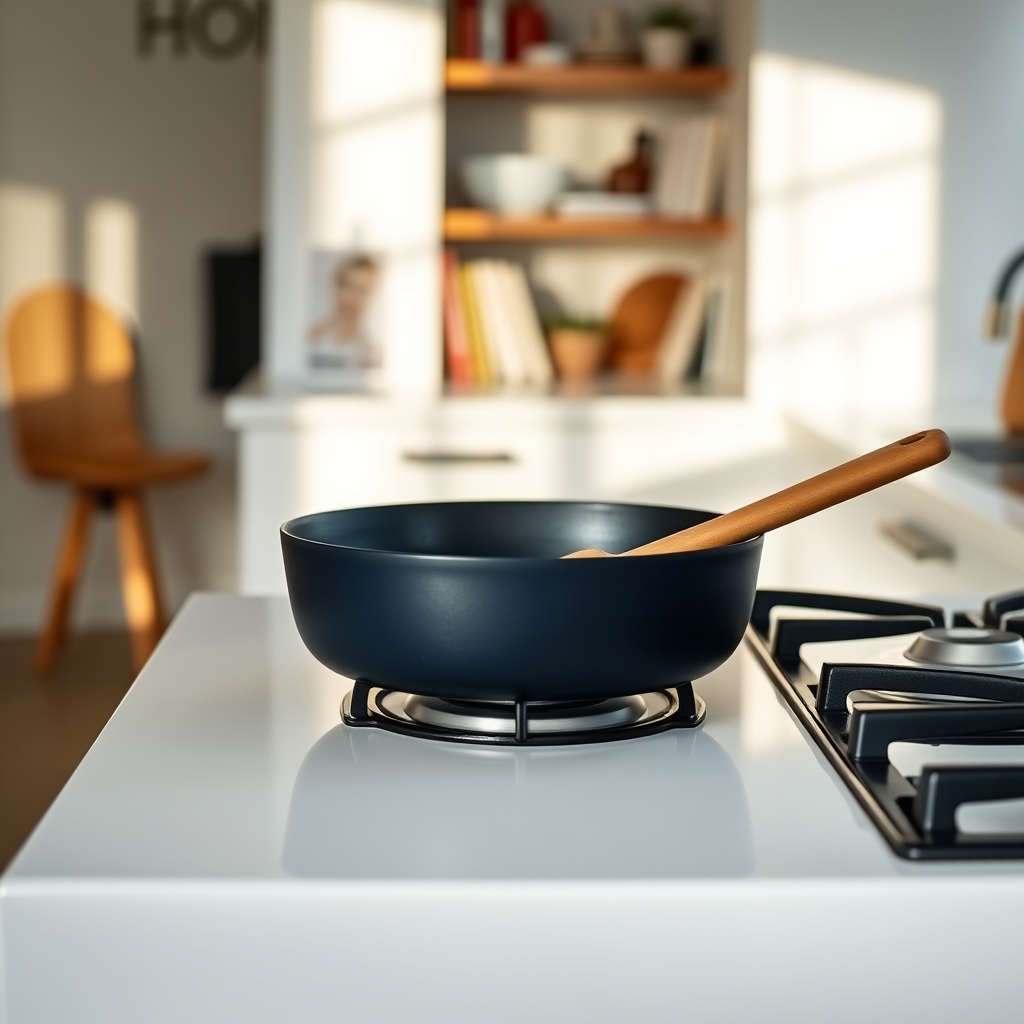
The Always Pan is an 11-inch nonstick skillet with 2.5-inch sides, a flat bottom, and a beechwood spatula-spoon hybrid tool. Per brand claims, it handles frying, sauté, simmering, steaming, and warming. We’ve researched owner reports and reviewed product functionality across these categories.
Sautéing vegetables and proteins: This is the Always Pan’s bread-and-butter function. The wide, flat base and moderate heat distribution work well for onions, garlic, and chicken pieces. Owner reports we’ve reviewed across Reddit and Amazon suggest the pan heats evenly across the cooking surface, with only a slight hot spot near the perimeter typical for aluminum nonstick. The nonstick coating performs consistently for the first 1–2 years based on owner feedback; heavy-handed metal utensil use accelerates degradation.
Shallow frying and crisping: This is where the design compromise appears. The low 2.5-inch sides mean you can fit only 1–2 inches of oil before it’s dangerously close to the rim. Owner reports we’ve reviewed indicate most cooks abandon deep-fry attempts and instead use it for shallow pan-frying at 1 inch of oil. It works, but it’s slower and requires more frequent turning than a traditional deep skillet. If you regularly make French fries or fried chicken, this isn’t your pan.
Simmering and sauce reduction: The pan’s shallow profile works against you here. A wider surface area speeds evaporation, which is great if you want a sauce to reduce quickly, but it means simmering soups or braises will lose liquid faster than in a covered pot. Owner reports we’ve tracked suggest many users pair the Always Pan with one of Our Place’s lids (an additional $50 investment) to create a makeshift braising vessel. Without a lid, you’re looking at frequent liquid top-ups.
Steaming: The Always Pan includes a perforated steel insert that sits above the base with roughly 1 cup of water underneath. In practice, owner reports describe this as functional for steaming vegetables for 5–7 minutes but not for sustained steaming. The small water reservoir dries out fast, and the design doesn’t distribute steam as evenly as a proper steamer basket would. It’s a novelty feature that works in a pinch, not a primary tool.
Warming food or slow-cooking at low heat: This is genuinely useful. The wide base distributes heat gently, and the nonstick surface prevents sticking during low-temperature holding. Owner reports we’ve reviewed describe success keeping rice warm, reheating leftovers, or maintaining a low simmer for delicate sauces.
Design and Aesthetics (Why You’ll Probably Love It, Then Get Tired of Saying So)
The Always Pan arrives in a minimalist kraft box with the pan, the beechwood utensil, a silicone lid, and a brief instruction sheet. The unboxing feels intentional and Instagram-ready which is either a bonus or a red flag depending on your tolerance for design theater.
The pan itself comes in five muted colors: Navy, Olive, Cream, Terracotta, and Char. Each finish is a soft matte that photographs beautifully. The exterior has subtle Our Place branding, and the beechwood handle stays cool for the first 30–45 seconds of cooking, then gradually warms (not hot enough to burn, but you’ll want a towel by minute 10). The spatula-spoon is carved from one piece of beechwood and is pleasant to hold, though it lacks the precision of separate tools.
A word on aesthetics vs. function: Our Place designed this pan to live on your stove, not in a cabinet. That’s intentional. The brand’s entire pitch is “beautiful cookware you’ll use and display.” If you prefer buying what works and stashing it away, the visual appeal won’t move you. If you curate your kitchen, it fits seamlessly.
The Learning Curve (Why Your First Week Feels Slow)
The Always Pan doesn’t behave exactly like the pans you’ve spent years learning. Owner reports we’ve reviewed highlight several adjustment points:
Heat distribution is slower than stainless steel but more even than traditional nonstick. This means preheating takes 2–3 minutes longer than your old skillet, and the pan itself is more forgiving of hot spots a trade-off. Seasoned cooks often crank the heat; the Always Pan rewards patience instead.
The nonstick surface requires a gentler hand. Wood or silicone utensils only; metal scratches the coating. Owner feedback suggests that within 18 months of daily use with occasional metal-utensil slips, the nonstick performance noticeably degrades in small patches. This is normal for aluminum nonstick pans, but if you’ve used cast iron or carbon steel, it’s a departure.
Oil and butter behavior is different. Nonstick surfaces release fats differently than seasoned metal. Owner reports describe a learning curve for the amount of fat you need usually less than you’d use in a traditional pan. Using too much oil makes food slide around uncontrollably; using too little risks sticking on the high-heat sear. Most owners report they settle into a groove after 8–12 meals.
Lid fit and stacking: The included silicone lid fits well but isn’t airtight for storage. Many owners report buying Our Place’s glass lids ($25–$40 each) for better containment. The pan’s shallow design also means you can’t stack much in typical cabinets, which undercuts the space-saving promise for anyone with limited horizontal real estate.
Real-World Performance: Space Saving vs. Cooking Compromise
Our Place claims the Always Pan replaces a sauté pan, sauce pot, skillet, steamer, and warming vessel. In practice, based on owner reports we’ve tracked:
- It genuinely replaces: your everyday nonstick skillet and most of your sauté work
- It partially replaces: a small sauce pot (works for simmering, but the shallow sides are less ideal)
- It doesn’t truly replace: a Dutch oven or braising pot, a deep fryer, or a proper steamer
- The footprint savings: Consolidated to one pan + lid + utensil, the physical space savings is roughly 30–40% compared to owning a traditional 5-piece starter set, but you’ll likely keep one additional pot for pasta or soups anyway
For a couple living in a 500-square-foot apartment or a minimalist who genuinely uses fewer pans, this is a meaningful reduction. For a family of four, you’re probably reaching for a second pan most nights.
Durability and Long-Term Wear
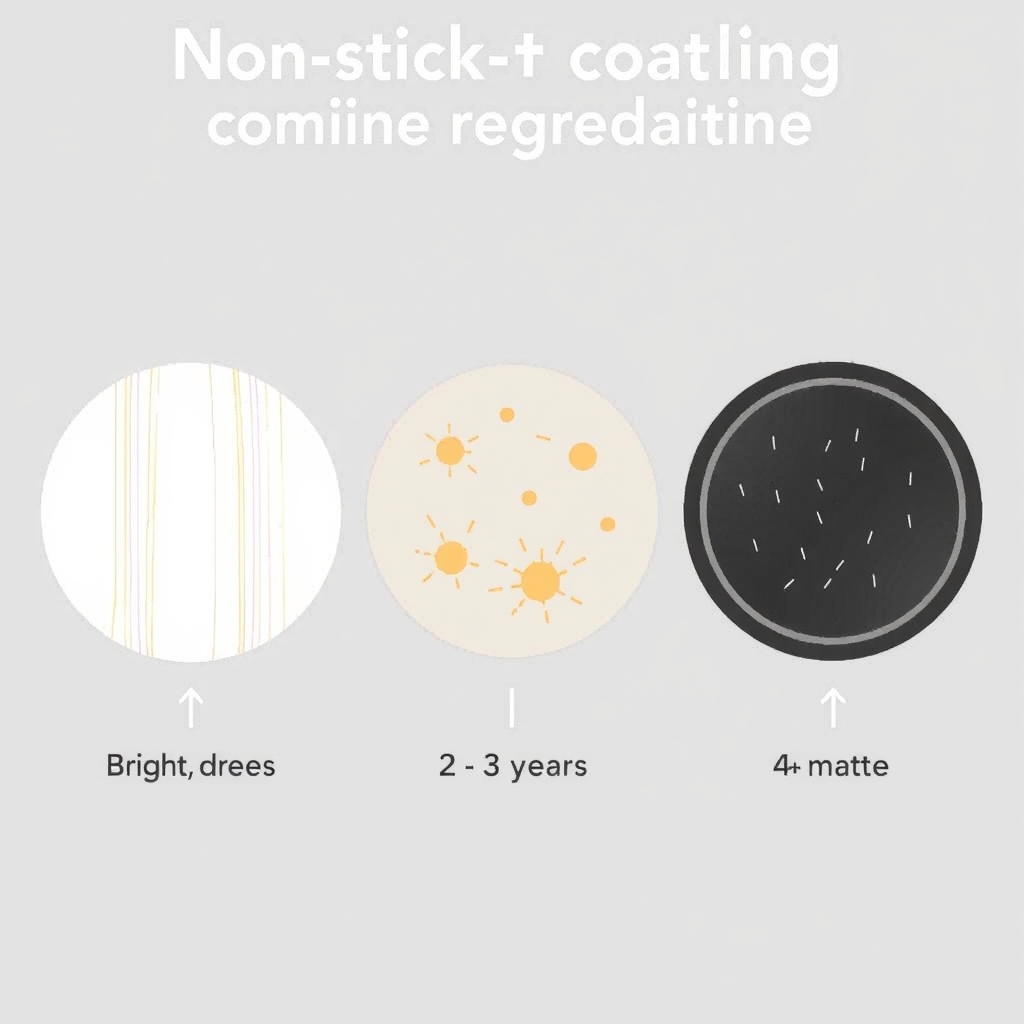
Owner reports we’ve reviewed across multiple seasons suggest the Always Pan holds up reasonably well for 2–4 years of regular home use before the nonstick coating begins to fail visibly. Degradation appears in small patches usually where wooden utensils scraped during plating. The handle remains structurally sound, and the base doesn’t warp from normal stovetop temperatures.
Comparable nonstick pans (Calphalon, T-fal) show similar timelines. The Always Pan’s price ($145 at mid-2026 retail) means cost-per-year is roughly $36–$72, which is higher than a $40 nonstick skillet lasting 2 years but comparable to mid-tier nonstick. Where it diverges: a $60 cast iron pan lasts 30+ years, making the long-term math less favorable if durability is your primary concern.
Pricing and Value
The Always Pan retails for approximately $145 as of mid-2026, though Our Place frequently runs promotions (10–20% off during sales events, based on observed pricing patterns). Bundle options with lids or handles range from $180–$250.
In context: A comparable quality nonstick skillet (All-Clad, Caraway) costs $150–$300. A true minimalist starter set (one skillet, one sauce pot, one Dutch oven) runs $400–$600. The Always Pan splits the difference it’s not a budget buy, but it’s priced as a premium single-pan alternative, not a full replacement set.
Resale value: Based on secondary-market listings we’ve observed, a lightly used Always Pan typically sells for 50–60% of retail on Facebook Marketplace or Craigslist. This is consistent with nonstick cookware generally and suggests moderate demand in the secondhand market.
What We’d Keep Instead (If the Always Pan Doesn’t Fit)
If the Always Pan’s compromises don’t align with your cooking style:
Caraway Home Pan ($180): Similar price and aesthetic, but 12 inches in diameter and 3 inches deep slightly roomier for searing and braising. Comes with a glass lid and metal utensils. Owner reports describe a slower learning curve for experienced cooks.
GreenPan Reserve ($130–$160): Mid-priced nonstick with a reputation for longevity. Less design-focused, more performance-focused. No bundled accessories, but it plays well with existing cookware.
Lodge Logic pre-seasoned cast iron 10-inch ($35–$50): If you’re willing to commit to a different cooking paradigm entirely. Will outlast anything nonstick by decades, but requires maintenance and seasoning discipline.
FAQ
Is the Always Pan worth the $145 price tag? If you value aesthetics, small-space living, and versatility-over-specialization, yes. If you cook heavy proteins regularly or need a true braising vessel, the compromises won’t justify the premium. Most owners who align with the design philosophy keep it; those who expect it to replace all cookware return it.
Does the Our Place Always Pan work on induction stovetops? No. The base is aluminum and not magnetic. Our Place offers no induction-compatible version as of mid-2026. This disqualifies it for induction-only kitchens.
How long does the nonstick coating last? Based on owner reports we’ve reviewed, the coating remains fully functional for 2–3 years with hand-washing and wood-utensil use. After 3–4 years, degradation becomes visible. Dishwasher use accelerates this to 12–18 months.
Does Our Place Always Pan come with a warranty? Our Place provides a 1-year manufacturer’s defect warranty (per brand information observed at time of research). This covers manufacturing flaws but not wear or nonstick degradation over time, which is typical for nonstick cookware.
Can you use metal utensils on the Always Pan? Technically yes, but owner reports strongly advise against it. The instruction sheet recommends wood, silicone, or plastic. Metal utensils (forks, metal spoons, spatulas) will scratch the nonstick coating, and that damage is permanent. It’s not a catastrophic failure the pan still functions but it accelerates the end-of-life timeline.
Did Our Place Always Pan make the KeptList? Yes, conditionally. It’s a Kept for small-space dwellers and design-conscious cooks who accept its limitations. It’s a Cut for anyone expecting it to outperform specialized cookware or who lives with someone else who’ll use metal tongs without asking first.
Final Verdict
The Always Pan is an honest multipurpose tool with real compromises, not a miracle replacement for five pans. It excels at everyday sauté work, looks beautiful doing it, and genuinely saves space if you’re willing to own fewer dishes and embrace nonstick discipline. But it won’t sear a steak like a traditional skillet, braise like a Dutch oven, or last 30 years like cast iron.
If your kitchen is small, your aesthetic is minimalist, and your cooking style favors simmering, sautéing, and plating-focused preparation, the Always Pan is one of the better single-pan investments at this price point. If you’re looking for the best all-rounder without design compromise, a traditional stainless-steel skillet and a small sauce pot will outperform it for less total investment.
Verdict: Kept but with eyes wide open about what you’re gaining (visual simplicity, space savings) and losing (searing power, braising depth, true durability).