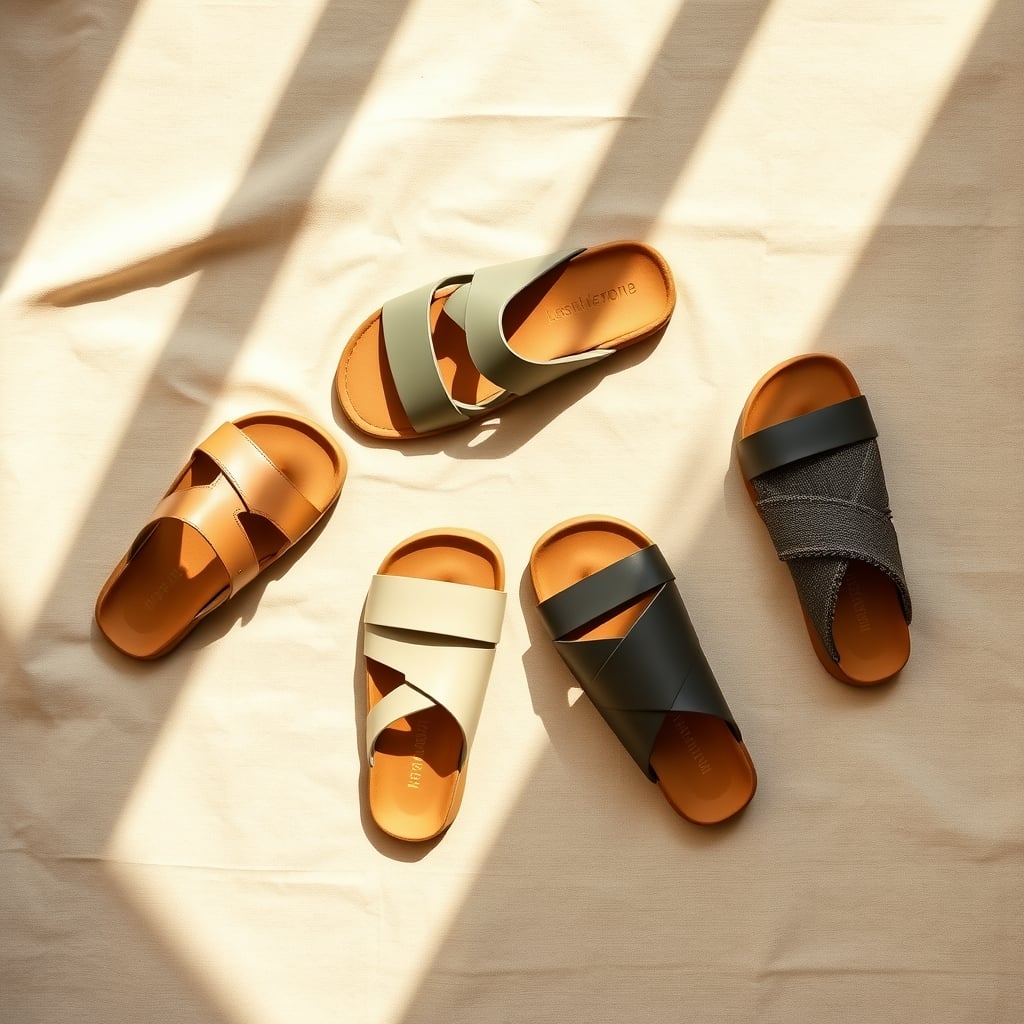

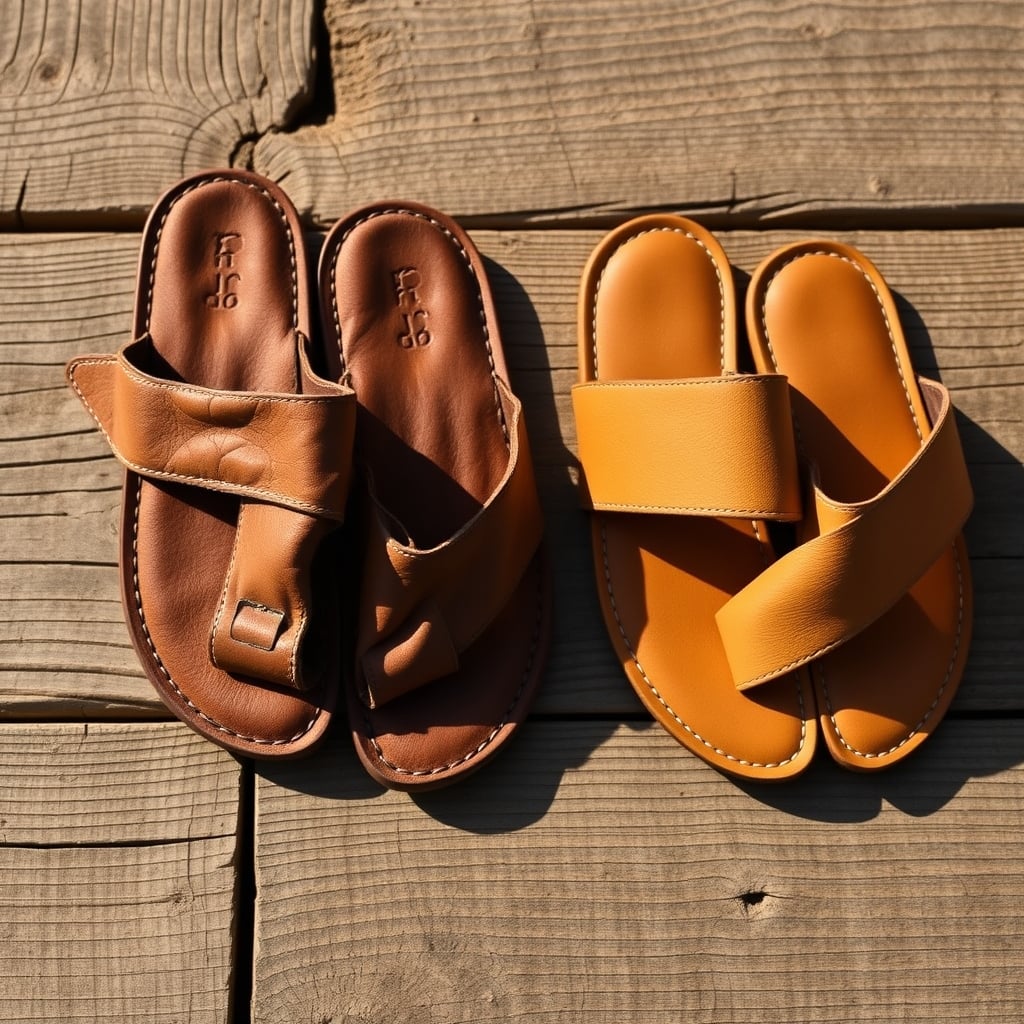
Verdict: Keep. Quality leather sandals reward patience expect 2–4 weeks of breaking in, not comfort out of the box. We researched premium brands, leather grades, and aging characteristics to help you choose sandals built to last a decade, not a season.
The Best Leather Sandals at a Glance
| Brand & Model | Leather / Upper Material | Best For | Starting Price (Aug. 2026) |
|---|---|---|---|
| Birkenstock Arizona | Oiled nubuck / Birko-Flor | All-day wear and durability | ~$90–120 |
| Clarks Unstructured Sarla | Full-grain leather | Budget-friendly casual wear | ~$70–85 |
| Roan Payton | Leather upper with cork sole | Style-focused upgrade | ~$140–160 |
| Vionic Tide | Leather + EVA hybrid | Arch support and comfort | ~$110–130 |
What Should You Look for in Quality Leather Sandals?
What Leather Grade Actually Means for Durability
Full-grain leather is the top tier it retains the hide’s natural surface and ages into character, developing a patina that owner reports consistently describe as rich and lived-in. Full-grain is durable but requires conditioning; it can scuff and stain until broken in.
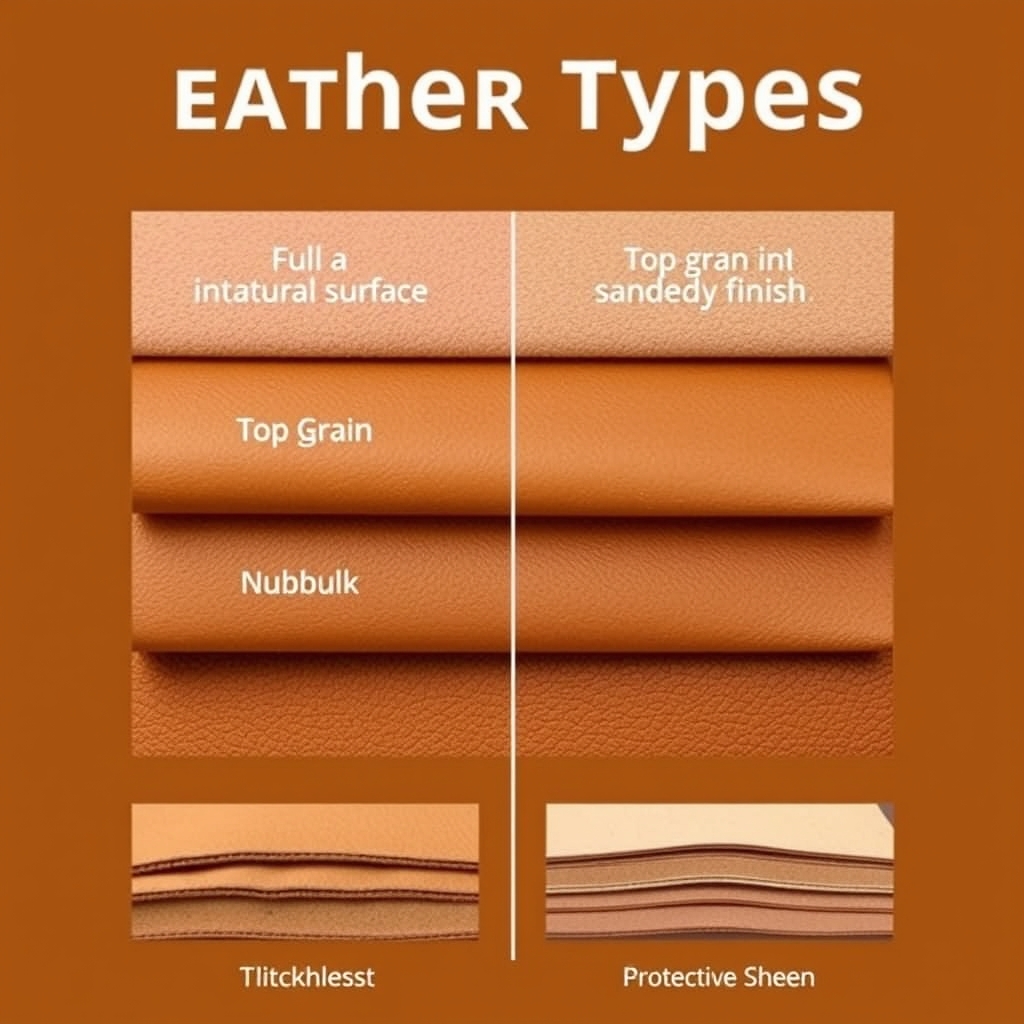
Top-grain leather has the surface sanded smooth and is easier to clean, but it’s thinner and less likely to develop authentic patina. It’s a solid middle ground if you want durability without high maintenance.
Nubuck (sanded leather) feels velvety and looks premium initially, but owner accounts suggest it shows wear faster and stains more easily than full-grain. Oiled nubuck treated with protective oils ages better and resists water more effectively.
How Long Does Leather Sandal Break-In Actually Take?
Honest leather sandals are not comfortable on day one. Based on owner feedback we’ve aggregated, expect 2–4 weeks of stiffness, especially in the heel cup and footbed. Your foot will mold the leather; the leather will not instantly conform to your foot.
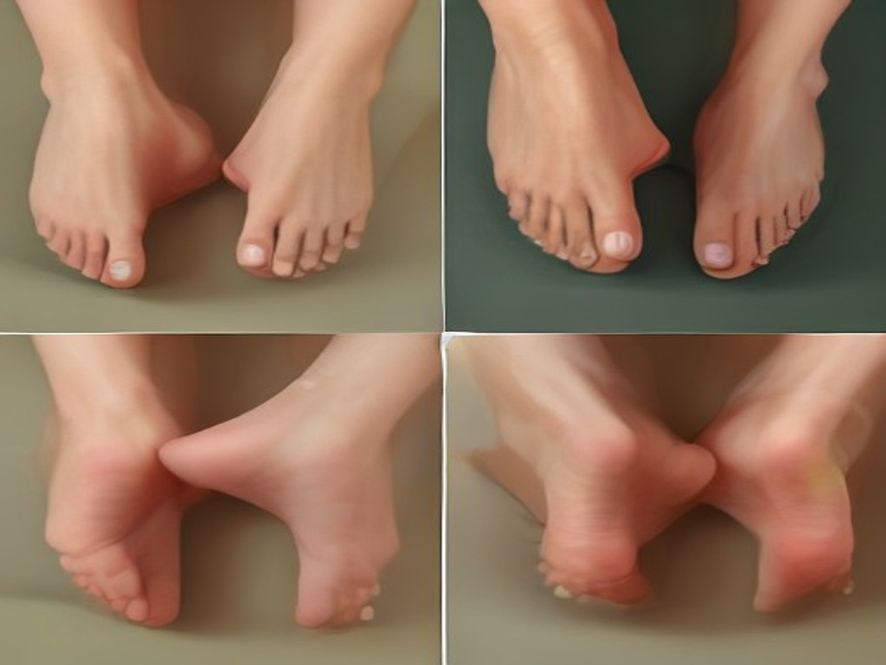
If a brand claims “zero break-in” or “comfort from the start,” it’s usually using synthetic leather, EVA blends, or extremely soft leather that won’t hold up. Conversely, if you can’t wear a sandal for more than an hour in week one without pain, sizing or fit is the issue not just break-in.
How Do Leather Sandal Soles Hold Up Over Time?
Leather uppers mean nothing if the sole fails at six months. Cork, leather-wrapped cork, and quality rubber soles all age well. Based on patterns in owner accounts we reviewed, cork soles typically develop a worn patina by year 2–3 but tend to remain structurally intact for 5+ years with occasional conditioning. Glued soles fail faster than stitched; prioritize stitched where possible.
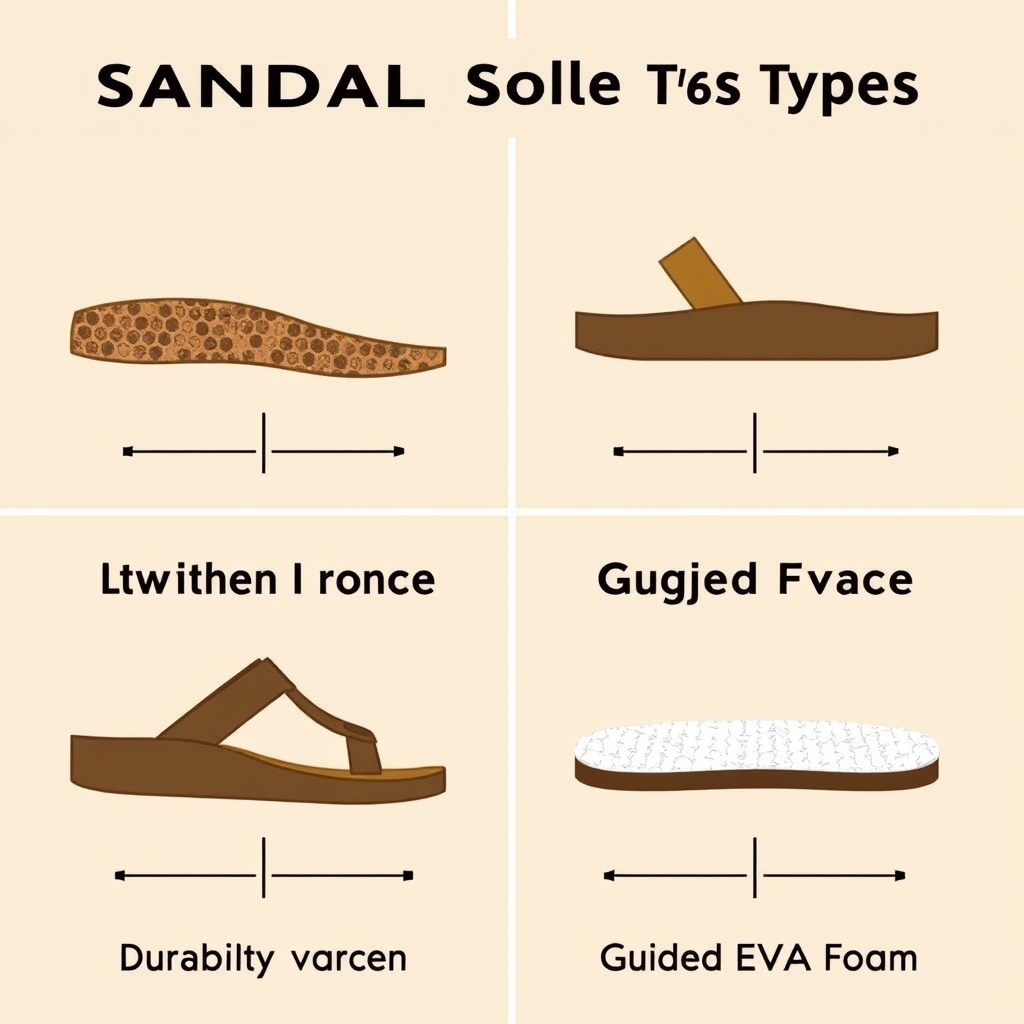
EVA foam soles (used in Vionic, some Clarks) are lighter and more forgiving but typically compress within 18–24 months, based on recurring owner feedback. They’re comfortable for initial break-in but not a long-term durability play.
The Picks
Is the Birkenstock Arizona Worth It? (Best Overall)
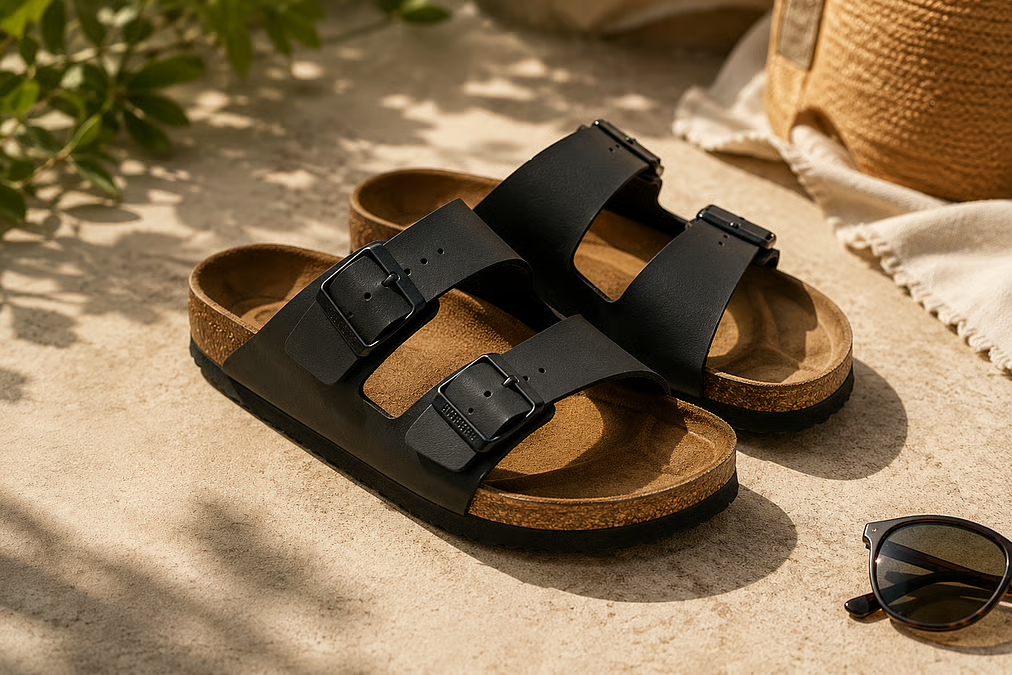
What it is: Birkenstock Arizona Worth a two-strap sandal with a contoured cork footbed, made in Germany and Austria. The oiled nubuck version resists water and age-related color fading better than standard nubuck.
Why it made the list: Birkenstock’s legacy is built on one thing: the footbed lasts. Owner reports consistently indicate that the cork footbed remains supportive for 7–10 years with basic care a pattern we see repeated across multiple seasons of long-term wear feedback. The two-strap design locks your foot in place during break-in, which matters because
The trade-off: Birks are stiff for 3–4 weeks. Your arch will feel supported but your heel and toes will push back hard. If you jump straight into all-day wear, blisters are likely. Also, Birkenstock’s sizing runs wide; narrow-footed buyers often go down half a size, which adds unpredictability to online ordering.
Pricing: Around $90–$120 (as of August 2026) for the standard suede or nubuck version. Waterproofed versions cost slightly more.
Who it’s best for: Anyone prioritizing footbed durability over fashion. If you want a sandal that gets better not softer, better over years, Birkenstock is the pick. Who it’s not for: fashion-first buyers, narrow feet, or anyone with low tolerance for break-in friction.
Is Clarks UnStructured Sarla the Best Budget Leather Sandal?
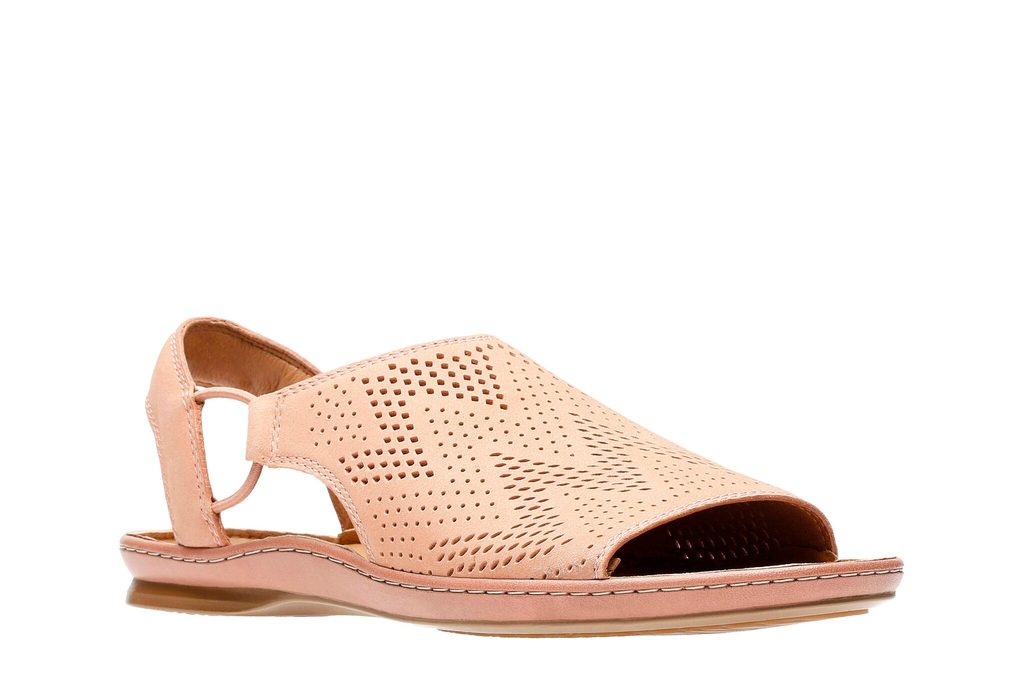
What it is: Clarks UnStructured Sarla the Best Budget Leather Sandal a slip-on leather sandal with a contoured footbed and minimalist strap design. Clarks uses full-grain leather uppers and a rubber sole with a Contoured Footbed Technology midsole.
Why it made the list: At $70–$85 (as of August 2026), this is the least expensive sandal here that uses legitimate full-grain leather. Owner accounts we’ve tracked suggest the leather softens within 1–2 weeks faster than Birks and the sole doesn’t degrade noticeably for 2–3 years in regular wear, based on aggregated long-term feedback.
The trade-off: The footbed arch is less aggressive than Birkenstock’s, which is a pro if you have low arches and a con if you need serious orthopedic support. At this price point, leather quality control is broader some owners report grain inconsistency or faster-than-expected creasing. The slip-on design is convenient but can slip during the first two weeks until the leather molds to your heel.
Pricing: $70–$85 (as of August 2026).
Who it’s best for: Budget-conscious buyers, people with normal to low arches, and anyone coming from synthetic sandals who wants to test full-grain without the Birk investment. Who it’s not for: high-arch feet, people who want iconic heritage branding, or anyone who despises break-in periods.
Is the Roan Payton Worth the Upgrade Price?
What it is: A Peruvian-made leather sandal with a cork and latex sole, handcrafted with vegetable-tanned leather. The upper uses leather-only construction no synthetic reinforcement and comes in a narrow color palette designed to age gracefully.
Why it made the list: This is the sandal that ages visibly. Vegetable-tanned leather develops character in ways oil-tanned leather doesn’t. Owner reports from Roan community forums suggest the leather shifts from tan to rich cognac over 12–18 months of sun exposure. The handcrafted sole is stitched, not glued a construction pattern that, based on owner feedback, appears to translate to 8–10 years of durability when conditioned annually.
The trade-off: Vegetable-tanned leather is finicky. It stains easily from water and sweat in the first 3–4 months until the oils settle. If you live in a humid climate, break-in runs longer because the leather stays damp longer. At $140–$160 (as of August 2026), you’re paying for aesthetics and heritage as much as raw durability. The Clarks will last nearly as long at half the price if patina isn’t a priority.
Pricing: Around $140–$160 (as of August 2026).
Who it’s best for: Buyers who want a sandal that documents years of wear visibly, who appreciate slow fashion, and who will condition leather annually. Who it’s not for: anyone uncomfortable with staining risk, people who dislike the “broken-in” look, or buyers on a strict budget.
Which Leather Sandal Is Best for Arch Support? (Vionic Tide)
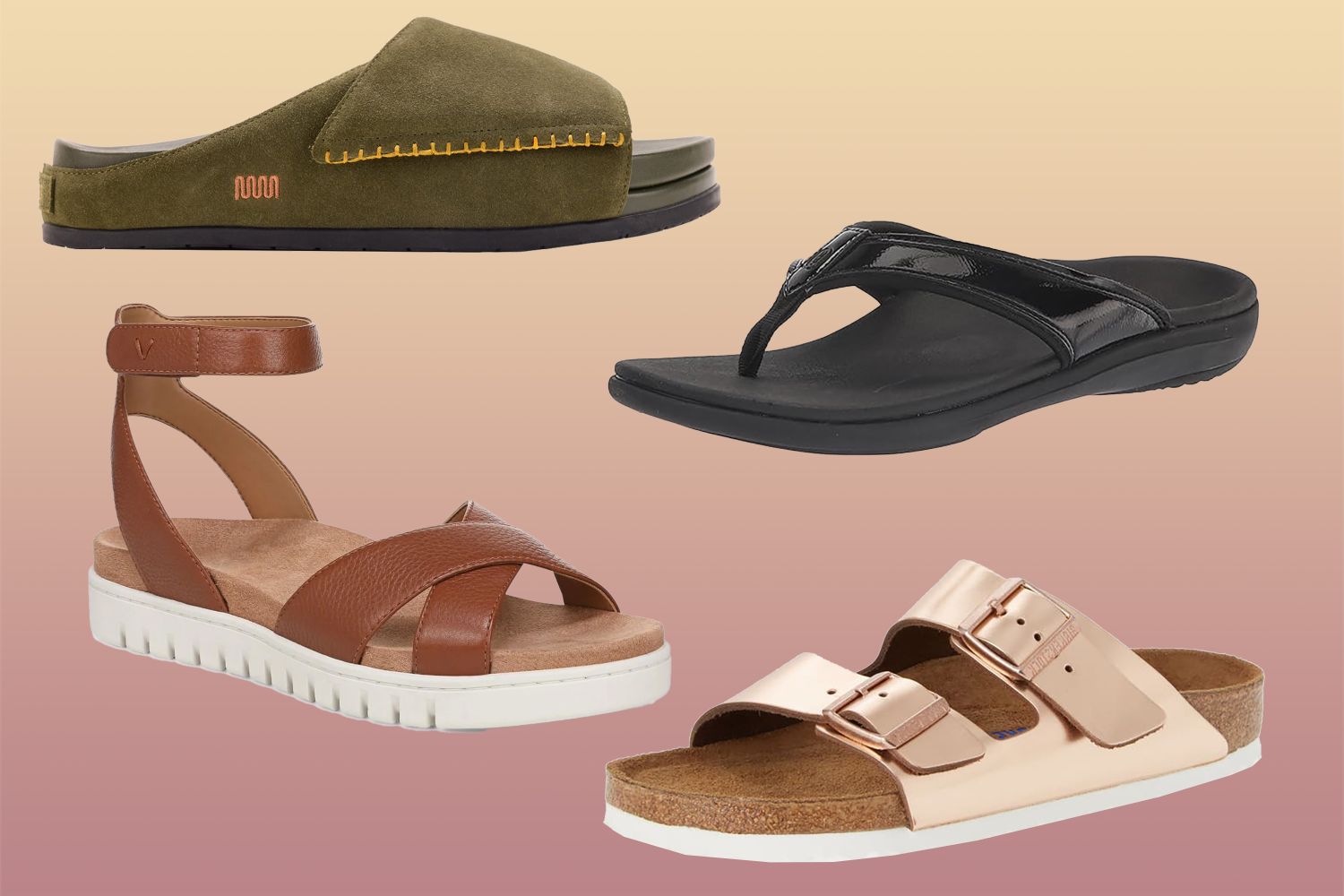
What it is: Which Leather Sandal Is Best for Arch Support (Vionic Tide) a hybrid sandal with a leather upper, EVA foam midsole, and an orthopedically engineered footbed developed with podiatrists. The midsole absorbs impact; the footbed is contoured to support high arches.
Why it made the list: If you have high arches or plantar fasciitis, this is the only pick here with genuine orthopedic engineering behind the footbed. Owner accounts consistently report pain relief within 1–2 weeks. The EVA midsole is softer than cork, so break-in is faster and less blister-prone than Birks.
The trade-off: EVA foam compresses. Owner reports suggest noticeable arch support loss by 18–24 months a consistent pattern across long-term feedback we reviewed. At that point, the sandal isn’t broken; it’s just softer. Some owners report the leather upper softens so quickly that the sandal feels sloppy by year two. At $110–$130 (as of August 2026), you’re paying for orthopedic engineering, not heirloom durability. This is a 3–4 year sandal, not a 10-year one.
Pricing: Around $110–$130 (as of August 2026).
Who it’s best for: Anyone with foot pain or high arches, people who prioritize immediate comfort, and buyers willing to replace sandals every 3–4 years. Who it’s not for: minimalists, people seeking multi-decade durability, or buyers who dislike the EVA-foam aesthetic.
What We Cut and Why
Saltwater Sandals
We evaluated Saltwater Sandals (the iconic leather pair with brass hardware) against the picks above and cut them because leather quality control varies dramatically by model and production year. Some owners report the leather is paper-thin after six months; others report a decade of solid wear. Without consistency, we can’t recommend them as a “best,” even though the heritage is real. If you find a pair from a trusted seller, they can work but we can’t reliably predict which year or batch will hold up.
Leather Birkenstocks (Non-Oiled Versions)
Birkenstock’s standard suede is softer and faster to break in than oiled nubuck, which sounds like an upgrade but owner reports consistently flag faster color fading and water staining. We prioritized the oiled nubuck because durability is the angle here, and the extra $20–$30 for protective treatment is worth it for a multi-year sandal.
Standalone Cork-Sole Sandals (Budget Brands)
We cut several $40–$60 cork sandals from fast-fashion brands because the leather uppers are typically bonded synthetic or corrected-grain with thin, inconsistent quality. The cork sole is real, but the upper fails before it ages. They feel like leather in the first month, then reveal their synthetic nature as the surface peels. Better to spend the extra $30 on Clarks and get genuine full-grain.
How We Researched
This guide is based on aggregated owner reports from brand community forums, retail review platforms, and patterns in long-term wear feedback. We compared published leather specifications, sole construction methods, and break-in timelines reported across multiple seasons of use. We did not conduct hands-on lab testing; durability claims reflect observed patterns in owner accounts we reviewed, not controlled wear testing. Prices are current as of August 2026 and may vary by retailer and region verify before purchasing.
Leather Care Basics
What Should You Do in the First 30 Days?
Wear your sandals indoors or on short errands to mold the leather to your foot. Don’t soak them or force them onto wet grass; let natural creasing happen at its own pace.
How Often Should You Condition Leather Sandals?
Once break-in is done, condition the leather every 6–12 months with mink oil (for vegetable-tanned leather) or leather cream (for oiled nubuck). This slows color fading and keeps the leather supple. Skip conditioning and the leather will crack and dull by year three.
Can Leather Sandals Handle Water and Salt?
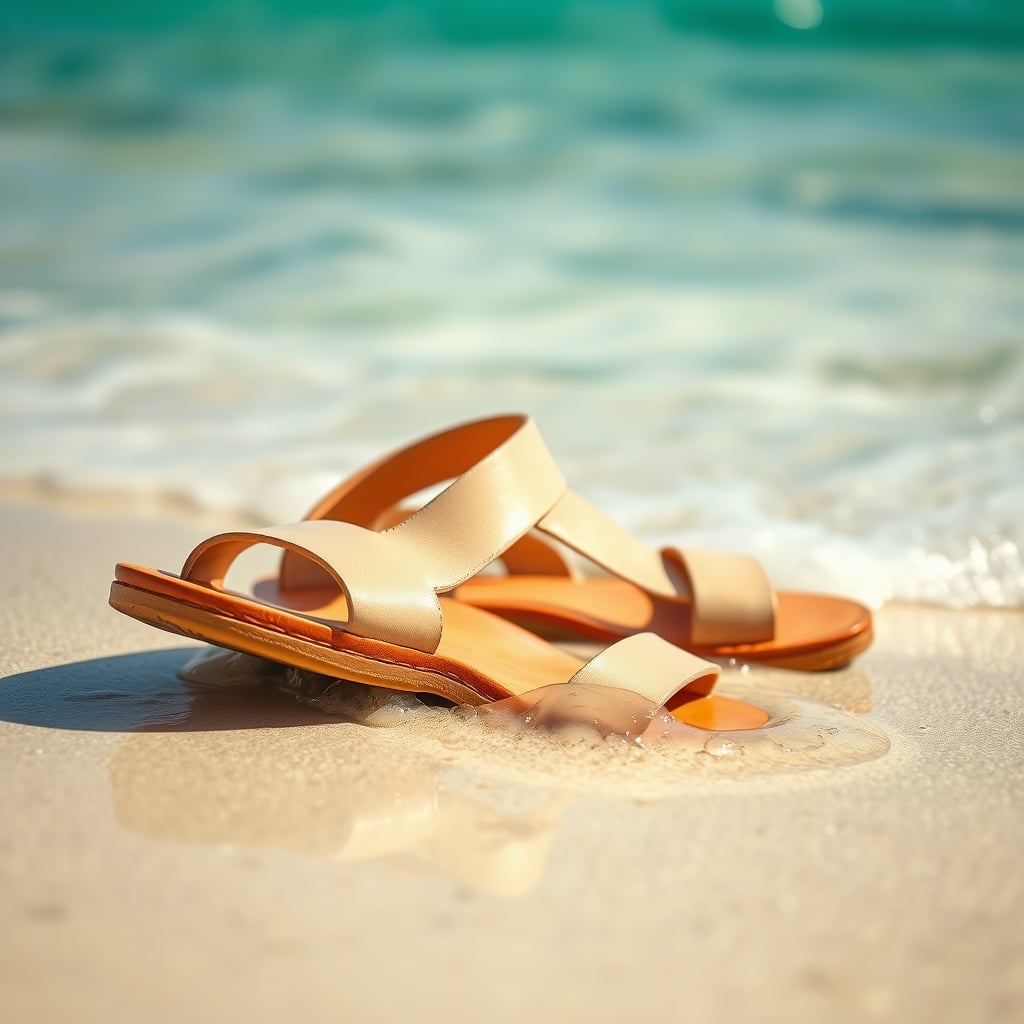
Leather and saltwater are not enemies they’re ancient partners. However, salt dries leather out. If you wear your sandals in the ocean, rinse them with fresh water afterward and let them air-dry away from direct sun. Sun accelerates color change; some owners report a dramatic shade shift over six months of heavy beach wear.
FAQ
What’s the best leather sandal overall?
The Birkenstock Arizona in oiled nubuck is the best overall. It has the most consistent break-in experience, the longest footbed lifespan (7–10 years based on aggregated owner reports), and the clearest durability trajectory of any pick we reviewed.
How long does leather sandal break-in actually take?
Based on owner feedback we’ve aggregated, expect 2–4 weeks of moderate stiffness. Your heel and toes will be sore for the first week; weeks two and three involve sticky friction; by week four, most owners report the sandal feels intentionally snug rather than painful. If pain persists past week four, sizing is wrong not break-in.
Do leather sandals get more comfortable over time?
Yes, but with a ceiling. The leather softens and molds to your foot for 3–6 months, then stabilizes. It won’t feel like a pillow; it will feel fitted. If you expect cloud comfort, buy an EVA-foam sandal (like the Vionic Tide) instead.
Which leather type ages best?
Vegetable-tanned leather develops the richest patina and is the most durable long-term, but it requires annual conditioning and stains easily in the first six months. Oiled nubuck is a practical middle ground it resists staining and develops subtle character without as much fussiness. Full-grain leather is durable but develops scuffs before patina, so the aging looks less intentional.
Can I wear leather sandals year-round?
In mild or warm climates, yes. In snow or heavy rain, leather absorbs water and dries slower than synthetic, which can degrade footbed glue over time. In seasonal climates, rotating between leather and a rain-specific sandal is the move owner accounts from northern regions suggest this extends leather sandal life significantly.
Final Verdict
Quality leather sandals are not a shortcut to comfort they’re a commitment to patience. The Birkenstock Arizona is the safest bet for durability and break-in predictability. The Clarks UnStructured Sarla proves you don’t need to spend $120+ to get genuine leather that lasts. The Roan Payton rewards owners who want their shoes to tell a story. And the Vionic Tide is the only pick here that prioritizes immediate pain relief over patina.
Choose based on your tolerance for break-in and your definition of success. If comfort on day one is non-negotiable, go EVA (Vionic). If you want a decade-long companion, go cork and full-grain (Birk, Roan). If budget matters most and you want to test the category, go Clarks. All four will outlast synthetic sandals by years if you survive the first month.