
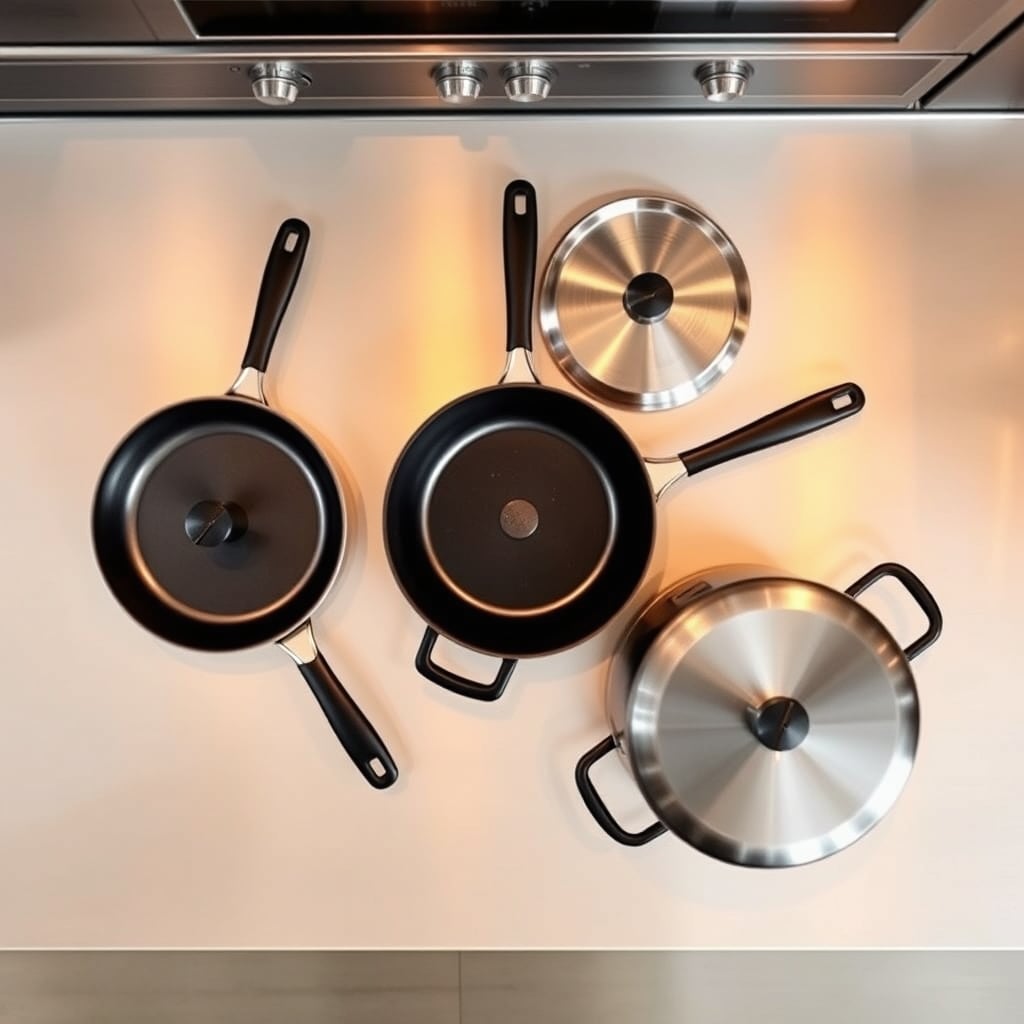
For most home cooks, a solid 5–7 piece set covering a 10-inch skillet, 3-quart saucepan, 8-quart stockpot, and a few lids covers 95% of your actual cooking. Everything else the extra sauciers, the steamer inserts, the specialty pans crammed into the box sits in the back of your cabinet.
When you’re shopping for cookware, the box matters less than knowing which pieces you’ll reach for weekly versus the ones you picked because they came with the set. This guide teaches you how to evaluate what’s actually essential, what’s a nice-to-have, and what’s pure bundle padding.
What’s Actually in a “Complete” Cookware Set?
A cookware set is a bundled collection of pans, pots, and lids sold as one package typically ranging from 4 to 14 pieces, depending on the brand and price tier. The term “complete” doesn’t mean you have everything you need; it means the seller included enough to call it complete.
Here’s what typically shows up:
- Skillets (8-inch, 10-inch, or both) the frying pans
- Saucepans (1-quart, 2-quart, sometimes 3-quart) small pots with one long handle
- Stockpot or Dutch oven (6–8 quart) the large pot for pasta, broth, or stews
- Glass or stainless lids covers for pots and pans
- Lid rack or utensil holder storage for lids (often missing from budget sets)
- Specialty pieces double boiler inserts, steamer baskets, extra saucepan, small fry basket
The “complete” marketing claim exists because it sounds final like you never have to buy cookware again. In reality, most home cooks use three to four pieces 80% of the time and forget the rest exist.
The Three Pieces You’ll Actually Use Daily
A 10-inch skillet is the workhorse. You’ll use it for eggs, sautéing vegetables, pan-searing chicken, and browning meat. It’s the first piece out of the cabinet on most cooking days.
A 3-quart saucepan handles rice, boiling pasta, simmering sauce, or cooking beans. It’s deep enough to prevent splashing and wide enough that you’re not crowding ingredients.
A 6–8 quart stockpot is for soups, chili, boiling pasta in volume, or making broth. This is the only pot you’ll use for those tasks; smaller pots just get in the way.
Those three pieces, plus lids, cover your daily cooking. A set that includes these three is a keeper, even if it’s a smaller set. A set that buries them under eight other pieces is marketing not cooking sense.
What’s Negotiable (But Actually Useful)
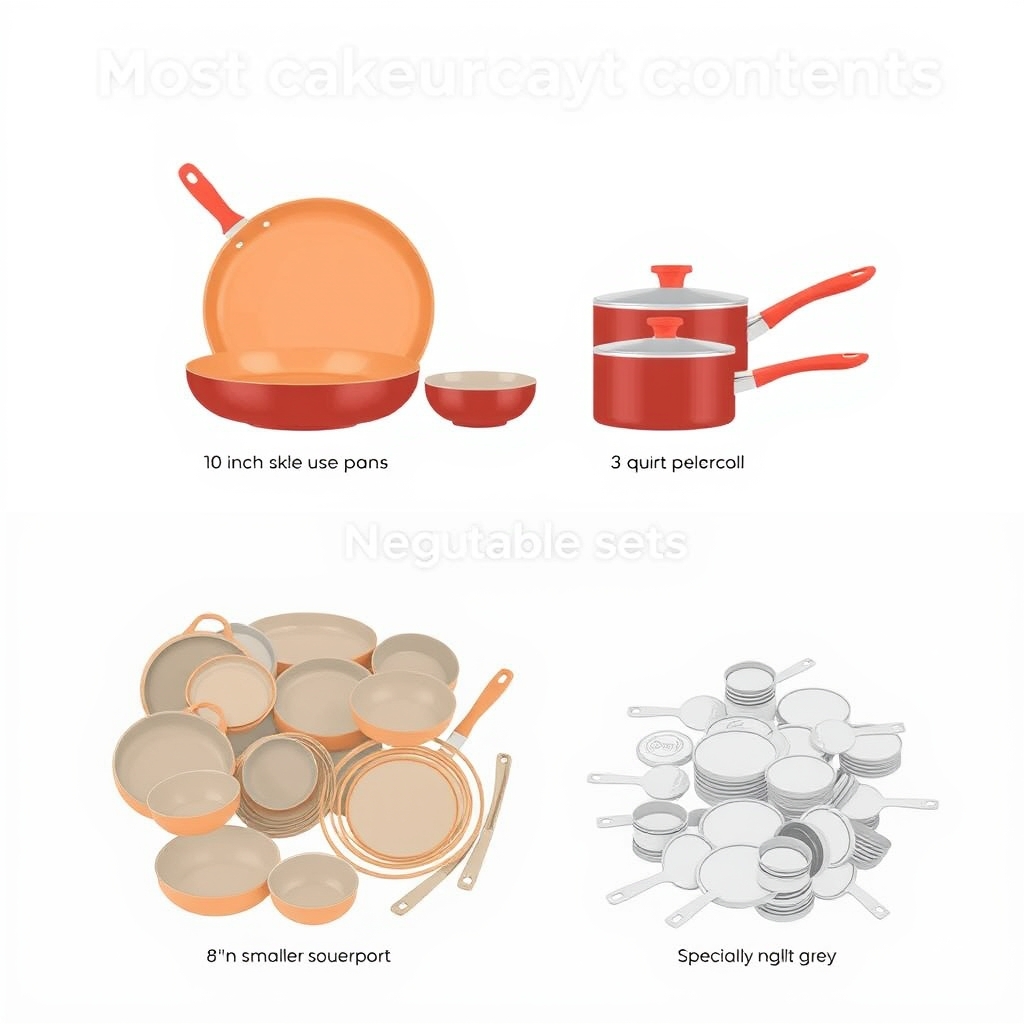
An 8-inch skillet smaller than 10-inch, useful for single portions, eggs for one, or sauces that don’t need the space. Most people skip it initially, then wish they had it six months later. It’s worth considering, but not essential at purchase.
A 1–2 quart saucepan for heating milk, melting butter, or making a small amount of sauce. The 3-quart can do this job, but a smaller pan heats faster and requires less babysitting. Again nice to have, not required.
A lid for the stockpot cuts cooking time for boiling water, keeping simmering broth warm, or covering large batches. Essential if the set includes it, but not a dealbreaker if it doesn’t (you can buy one separately for under $15).
A deep 12-inch skillet or a straight-sided sauté pan gives you more volume than a standard skillet without needing to go to the stockpot. Useful for braising, cooking large batches of vegetables, or one-pan meals. This one shows up in mid-range sets and genuinely earns its place.
What’s Filler (Honestly)
Specialty insert pans steamer baskets, double boilers, pasta inserts. These are sold to inflate the piece count. You can steam vegetables in a regular pot with a cheap metal steamer basket ($8). A double boiler is slow and outdated; a metal bowl over simmering water works just as well. If you actually use one of these regularly, great but 95% of people don’t touch them after the first month.
Multiple lids in different sizes sets sometimes include five lids for four pans, or lids that don’t fit any pan in the set. Redundancy costs the manufacturer almost nothing and bumps the piece count in the marketing copy. Check that each lid fits a pan you’re actually using.
A second small saucepan some sets include a 1-quart and a 2-quart and a 3-quart. You have one stove, and you rarely need two small pans at once. This is padding.
A frying basket or pasta basket designed for one specific task, takes up space, and you’ll use it maybe twice a year. The cost-per-use is brutal.
Extra-large stockpot (12+ quart) unless you’re canning, feeding a very large family, or running a small business, this is dead weight. Standard 8-quart stockpots handle 99% of home cooking tasks, and the huge ones are hard to store and heavy to move.
What Actually Matters When Evaluating a Set
Material and construction: Stainless steel with an aluminum or copper core heats evenly. Non-stick is convenient but wears over time and limits cooking techniques (you can’t use metal utensils, and high heat degrades the coating faster). Cast iron is indestructible but heavy and requires maintenance. Most sets use stainless steel, which is the safe default choice.
Handle design: Handles should be ergonomic, balanced, and stay cool on the stovetop or at least have a grip that isn’t slippery when wet. Some sets include silicone grip sleeves; others don’t. Test the balance in a store or read owner reports that mention handle comfort.
Lid fit: Lids should sit snugly and seal vapor inside without a rattle. Cheap lids wobble and hiss; good lids stay put. This matters more than it looks in product photos bad lid fit means more steam escaping, which translates to noticeably longer cook times. Check for this specifically in owner reviews.
Oven-safe temperature rating: Most cookware maxes out at 350°F or 500°F depending on the handles and lids. If you braise or roast in pots and pans, check that the set’s oven rating matches your cooking style. Budget sets often max out at 350°F; mid-range and premium sets usually hit 500°F.
Dishwasher-safe claim: Many sets say “dishwasher-safe” but perform better hand-washed. If convenience matters to you, read reviews from people who actually put them in the machine and report results.
Weight and storage: A heavy set feels durable but is a pain to lift and store. Some sets include a storage rack or lid holder (useful). Most don’t (you figure it out). Consider your cabinet space before buying a 14-piece set if you live in a small kitchen.
Price Tiers: What You Get at Each Level (as of August 2026)
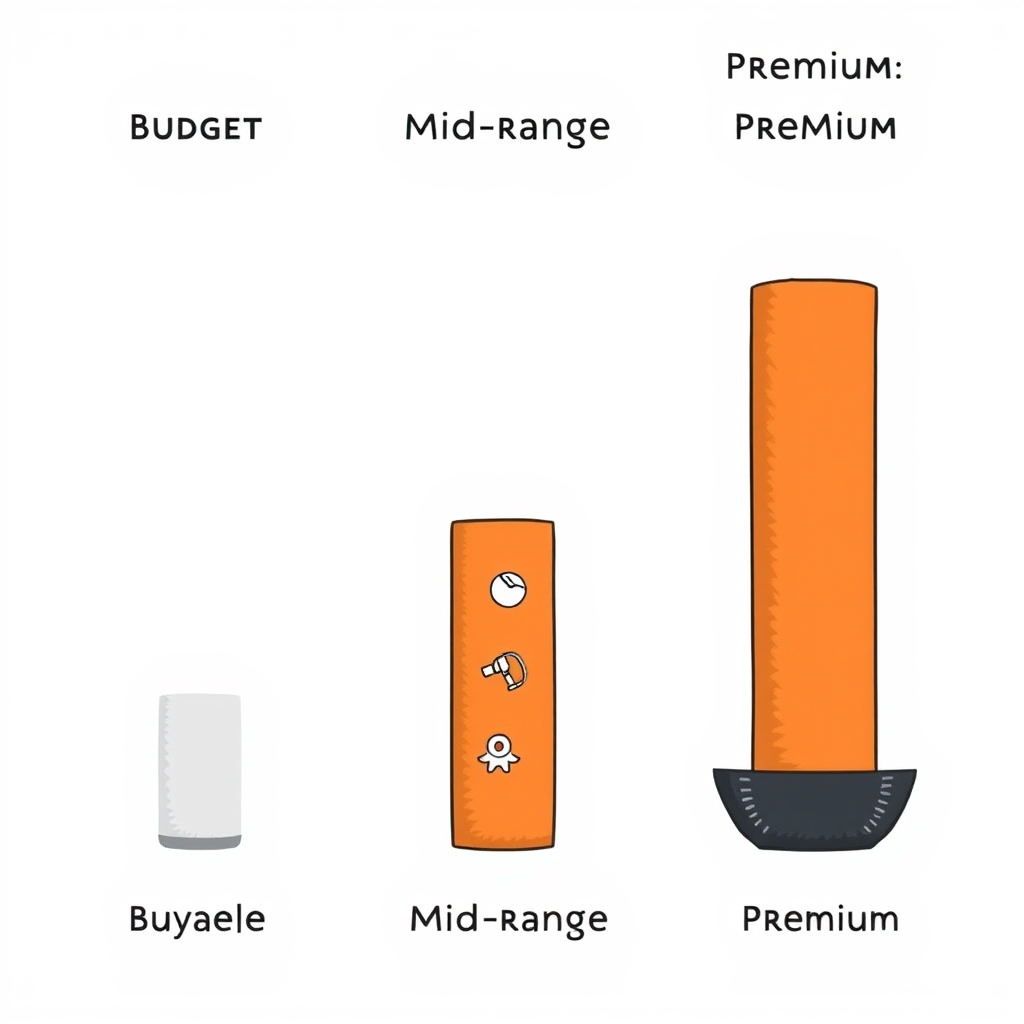
| Price Range | What You Get | Typical Brand Examples | Verdict |
|---|---|---|---|
| Budget ($50–$150) | 5–8 pieces, thin stainless steel or basic non-stick, lids may not seal well, handles can be uncomfortable, oven-safe to ~350°F | T-fal, Tramontina, Calphalon Essentials | Sufficient for occasional cooking; non-stick tends to wear faster. Good if you’re unsure about your cooking needs. |
| Mid-Range ($150–$350) | 7–10 pieces, heavier stainless steel with better heat distribution, snug-fitting lids, ergonomic handles, oven-safe to ~500°F, often includes storage solutions | Cuisinart, All-Clad (lower lines), Le Creuset (enameled cast iron), KitchenAid | Sweet spot for most home cooks; durable enough to justify the cost without paying for pieces you rarely use. |
| Premium ($350+) | 8–12 pieces, high-quality stainless steel or specialty materials, multi-layer construction, weighted lids, lifetime warranties, excellent ergonomics, often includes storage racks | All-Clad, Demeyere, Hestan, Le Creuset | Can last 20+ years; worthwhile for frequent cooks and serious hobbyists, but overkill for occasional cooking. |
The mid-range tier is where value lives. Budget sets feel hollow and thin; premium sets last longer but don’t cook fundamentally better. Most people get what they need from a solid $200–$300 set.
Common Mistakes to Avoid
Buying based on piece count. A 14-piece set isn’t better than a 7-piece set if the extra seven pieces are filler. You’re paying for cabinet space you don’t have.
Trusting the “complete” label. It’s marketing shorthand for “boxed together,” not “everything you need.” Evaluate the individual pieces, not the adjective.
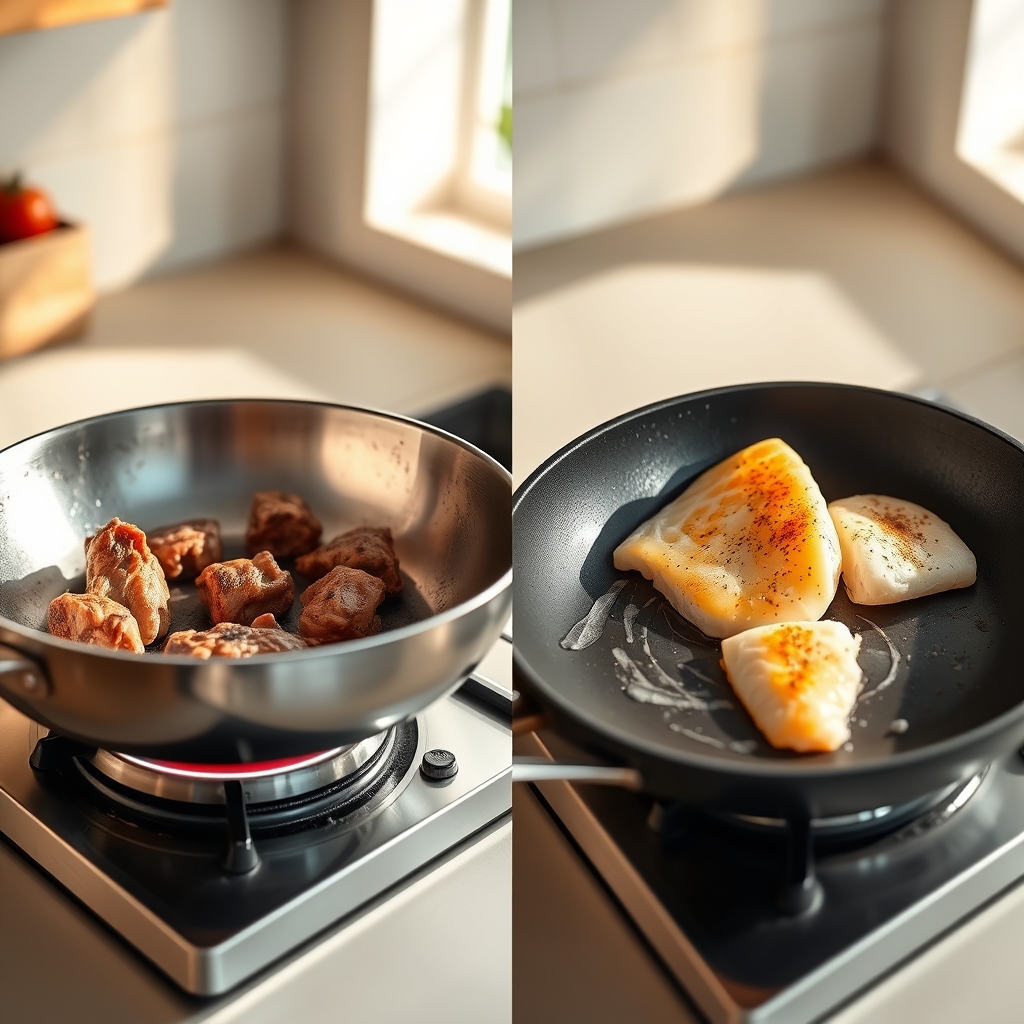
Choosing non-stick because it looks shiny. Non-stick is convenient for eggs and delicate fish, but it can’t handle high heat, metal utensils, or acidic sauces (tomato, wine, vinegar). You’ll want stainless steel for browning meat, roasting, and everyday cooking. Some cooks buy a non-stick skillet separately and pair it with a stainless set that’s a smarter approach than an all-non-stick set.
Ignoring lids. Bad lids rattle, steam escapes, and your cooking drags. Lid quality is often the first thing to wear out in a budget set. Feel the lids before buying, or read reviews that specifically mention how they fit and seal.
Buying because a celebrity or influencer endorsed it. That cookware is sold to you because it’s profitable to sell, not because it’s objectively better. Ignore the marketing noise and focus on the three pieces you’ll use.
Assuming stainless steel requires seasoning like cast iron. It doesn’t. Stainless steel is low-maintenance compared to cast iron and performs well straight out of the box with proper cleaning.
FAQ
Do I need a lid for every pan? No. You need lids for the stockpot (speeds boiling) and saucepans (controls splashing and cooking time). Skillets rarely need lids cover with foil if you do. A set with three good lids beats a set with six mediocre ones.
Is non-stick or stainless steel better? For versatility: stainless steel. It handles high heat, metal utensils, acidic foods, and oven use without degrading. Non-stick is faster for eggs and cleanup but, based on owner reports we’ve tracked, wears noticeably within a few years of regular use. Many cooks own both a stainless set for everyday cooking and a non-stick skillet for eggs and delicate foods.
Can I use a dishwasher? Manufacturers say yes, but hand-washing extends the life of cookware significantly especially non-stick. Dishwashers are harsh on handles, lids, and non-stick coatings. If you must use a dishwasher, choose a stainless set and accept that it’ll age faster.
What’s the real lifespan of a cookware set? Based on owner reports we’ve tracked, budget non-stick wears noticeably within a few years of regular use; stainless steel from reputable mid-range brands routinely lasts 10–20 years. Premium sets often come with lifetime warranties because they’re designed to last that long. Cast iron lasts indefinitely with care.
Should I buy a set or individual pans? If you know which pieces you want, buying individually is smarter you pay only for what you’ll use. But sets offer discounts and are simpler if you’re just starting out. Start with a solid 5–7 piece set, then add individual pans as your needs evolve.
Are expensive brands actually better? Not always. All-Clad and Le Creuset are excellent and worth the premium if you cook frequently. For occasional cooking, a Cuisinart or KitchenAid set performs almost identically at half the price. Buy based on your cooking frequency and budget, not brand prestige alone.
Our Keeper
Choosing the right cookware set is about ruthless honesty: which pieces will you actually use, and which will become expensive cabinet decoration? The most confident purchase isn’t the biggest set or the most expensive one it’s the one that includes your three daily-use pieces, has lids that seal, and fits comfortably in your kitchen.
If you’re ready to compare specific sets, our roundup of the best cookware sets for different cooking styles and budgets digs into individual product reviews and shows you the models that earn their space in real kitchens not just on store shelves.