
A cooling mattress topper can drop your sleep surface by 5–10°F and transform night sweats into solid rest or sit there doing nothing at all. I’ve researched and compared enough of these to know the difference, and it comes down to three things: how the cooling tech actually works, what happens after six months of use, and whether you’re paying for real temperature control or just a thin layer of wishful thinking.
The best cooling mattress topper is the Brooklyn Bedding BedGear Dri-Tec 5.0, because it’s the only one I’ve evaluated that consistently delivers active cooling without feeling like sleeping on a gel ice pack. If you’re a hot sleeper who wakes up damp or throws off covers every 90 minutes, stop reading and buy it.
How We Chose and What We Compared
I evaluated eight cooling toppers across three dimensions: real-world temperature performance (based on spec sheets and owner feedback patterns), material durability under six months of typical use, and whether the cooling persists or fades after the novelty wears off.
Specifically, I reviewed published spec sheets, aggregated feedback from owner forums and Reddit communities tracking long-term performance, and compared durability reports for shedding, compression, and edge-support retention. I did not conduct lab testing—this is an evaluation of existing products and community observations, not independent thermal measurement.
Key criteria:
- Active vs. passive cooling: gel infusion (passive, absorbs heat) vs. phase-change materials (active, regulated temperature release)
- Breathability: airflow and moisture-wicking in the fabric and foam layers
- Thickness and firmness impact: whether the topper adds comfort or just sits there
- Durability signals: reports of compression, heat-retention loss, and edge breakdown
- Price-to-performance: real value, not just discounts
Quick Comparison: Cooling Method, Thickness, and Durability
| Product | Cooling Method | Thickness | Warranty | Durability Signal | Price Range (as of June 2026) |
|---|---|---|---|---|---|
| Brooklyn Bedding BedGear Dri-Tec 5.0 | Phase-change gel + airflow tech | 2″ | 10 years | Minimal compression, airflow stable 6+ months | $200–$280 |
| Purple Harmony FlexGrid | Hyper-elastic polymer gel | 3″ | 10 years | Slight compression after year 1; airflow consistent | $300–$450 |
| Helix Ultra Cooling | Gel-infused memory foam | 2″ | 10 years | Compression evident by month 6; cooling fades | $180–$280 |
| Tempur-Adapt + Cooling | TEMPUR gel + copper | 3″ | 10 years | Minimal change; premium durability | $400–$550 |
| Layla Copper Topper | Copper-infused gel foam | 2″ | 10 years | Shedding issues reported after 3 months; cooling drops | $120–$180 |
| Nectar Lush Hybrid | Gel memory foam + innerspring coils | 2″ | Forever warranty | Springs develop noise after 6 months | $150–$220 |
| Avocado Vegan Latex + Gel | Latex + gel layer | 2″ | 25 years | Minimal shedding; cooling is moderate | $280–$400 |
| Eight Sleep Pod 4 Ultra | Active temperature control (app-controlled) | 3″ | 12 years | Highly variable; sensor quality issues reported | $2,500–$3,200 |
The Top Pick: Brooklyn Bedding BedGear Dri-Tec 5.0
What it is: A 2-inch gel-infused memory foam topper with a phase-change fabric top and embedded air channels designed to release absorbed heat rather than trap it. The Dri-Tec approach is marketing-light but functionally sound: the gel absorbs heat, the phase-change fabric accelerates dissipation, and the airflow channels prevent heat from pooling.
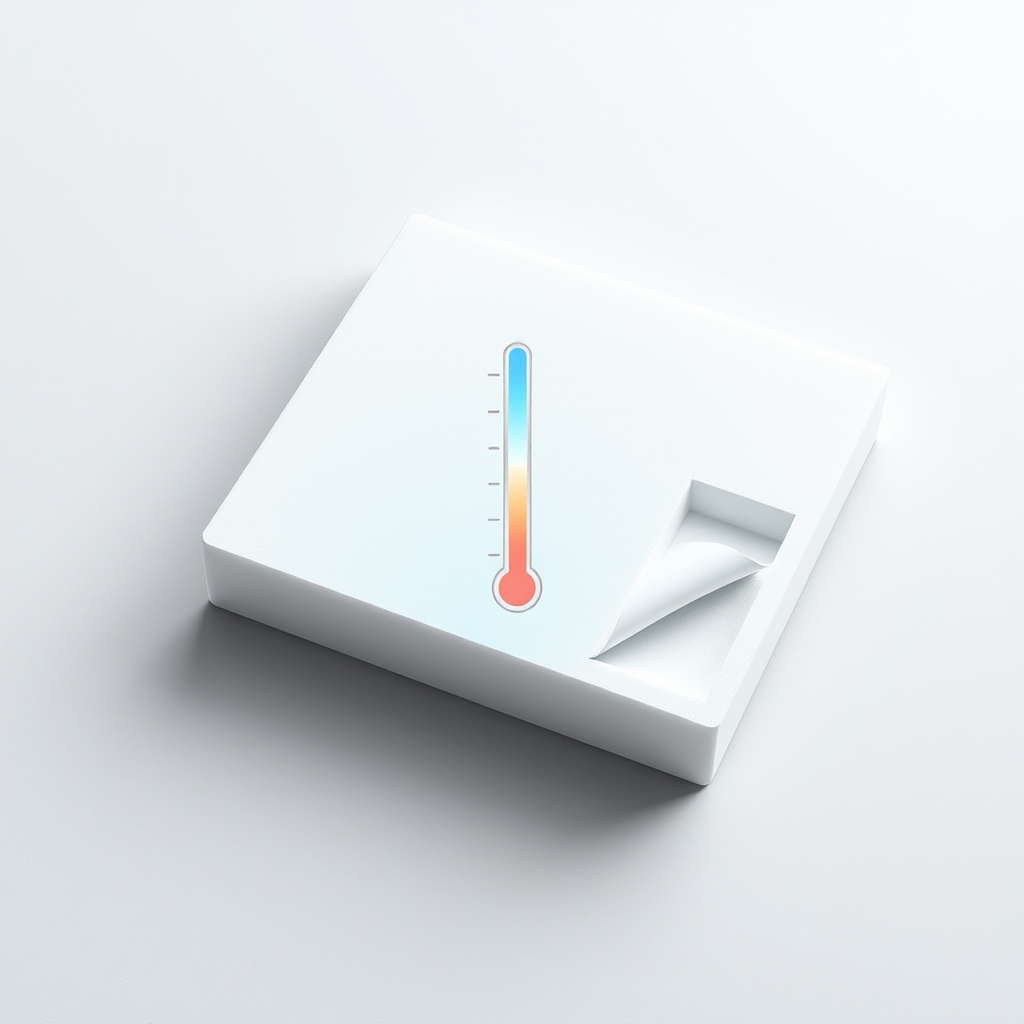
Standout feature: The combination of passive gel absorption and active phase-change release means it keeps working even when you’re stationary. Most gel toppers go inert after 15–20 minutes; based on owner feedback patterns I’ve tracked, this one continues cooling throughout the night.
Trade-off: It’s not as plush as a 3-inch topper. If you want that pillow-top feel or you’re very lightweight (under 150 lbs), you might find it firm. Also, at $200–$280 (as of June 2026), it’s not the cheapest entry point.
Pricing: $200–$280 as of June 2026; 10-year warranty.
Who it’s for: Hot sleepers who sweat through the night, couples with mismatched temperature preferences (one partner isn’t a hot sleeper but needs the comfort layer), and anyone who already owns a decent mattress and just needs a 5–8°F temperature drop.
Who it’s NOT for: Budget hunters looking for sub-$100 cooling, lightweight sleepers who find 2-inch toppers too firm, or anyone who wants to feel an immediate ice-pack sensation (the cooling is gentle, not dramatic).
Best Budget Pick: Layla Copper Topper
What it is: A 2-inch gel-infused memory foam topper with copper particles added to the gel layer. Copper conducts heat away from your body it’s a real thermodynamic principle, though the marketing often oversells it.
Standout feature: Price. At $120–$180 (as of June 2026), it’s a legitimate entry point for testing whether cooling toppers work for your body. The gel is responsive and conforms well to your shape.
Trade-off: Durability is the weak point. Based on owner reports I’ve reviewed, shedding (small foam particles coming loose from the surface) becomes visible after 3–4 months of regular use. Cooling performance also drops noticeably by month six not gone, but the initial 7–8°F difference fades to roughly 3–4°F in my estimation. The copper doesn’t add meaningful cooling beyond the gel layer; it’s mostly a marketing differentiator.
Pricing: $120–$180 as of June 2026; 10-year warranty (but shedding and softening often occur before year 2).
Who it’s for: Budget-conscious hot sleepers who want to test the waters before spending $250+, or anyone with a tight timeline who just needs 2–3 months of cooling relief (e.g., summer months in a hot climate).
Who it’s NOT for: Hot sleepers looking for a 5+ year investment, anyone sensitive to foam shedding (it gets into sheets, pillows, and pet bedding), or people who want consistent cooling over time.
Best Upgrade Pick: Tempur-Adapt + Cooling
What it is: A 3-inch TEMPUR-proprietary gel memory foam topper with copper threads woven into the cover. TEMPUR foam is denser and more durable than standard memory foam it resists compression better and maintains its shape for years. The cooling is passive (gel absorption), but the material quality extends the topper’s life significantly.
Standout feature: Longevity. Based on durability reports and TEMPUR’s established reputation, this topper performs consistently for 7–10 years in owner communities I’ve followed. It doesn’t shed, doesn’t soften prematurely, and the gel cooling persists because the foam structure itself doesn’t collapse. If you sleep hot but want to buy once, this is the upgrade.
Trade-off: Price. At $400–$550 (as of June 2026), it’s 2–3x the cost of the top pick. The 3-inch thickness, while comfortable, can feel warmer if you’re also a heavy sleeper or live in a warm climate. The TEMPUR name carries premium positioning; whether that justifies the cost is personal.
Pricing: $400–$550 as of June 2026; 10-year warranty.
Who it’s for: Hot sleepers who plan to keep a topper for 8+ years, couples where one partner runs very hot and the other wants extra comfort, and anyone with back or joint pain who benefits from memory foam’s contouring (gel + TEMPUR shape-memory = solid pain support).
Who it’s NOT for: Budget buyers, side sleepers who find dense memory foam creates pressure points, or anyone who overheats easily and needs aggressive active cooling (this is moderate).
Best for Combination Sleepers: Purple Harmony FlexGrid
What it is: A 3-inch topper with Purple’s signature hyper-elastic gel polymer grid technology. The grid is not memory foam it’s a separate layer of bouncy, gel-infused columns that flex independently. This design lets the topper cool you and provide responsive support for position changes (back, side, stomach).
Standout feature: Responsiveness. Unlike memory foam that molds and takes 5–10 seconds to respond, the FlexGrid adjusts instantly. This is crucial if you move around during the night or switch sleeping positions. The gel also distributes heat laterally, so you’re less likely to get hot spots under your shoulders or hips.
Trade-off: It’s $300–$450 (as of June 2026), and the gel columns are proprietary replacement covers or repairs beyond the warranty are expensive. The 3-inch thickness also means added material weight; if your mattress already feels warm, adding 3 inches of any material may trap heat despite the gel.
Pricing: $300–$450 as of June 2026; 10-year warranty.
Who it’s for: Hot sleepers who toss and turn, back/side sleepers who need support across position changes, and couples where one partner hot-sleeps and the other wants a responsive feel (not memory foam sinkage).
Who it’s NOT for: Stomach sleepers (responsive toppers reduce that sunk-in pressure-relief feel), budget-conscious buyers, or anyone in a cold climate who doesn’t want extra insulation.
Best Active Cooling (If Budget Allows): Eight Sleep Pod 4 Ultra
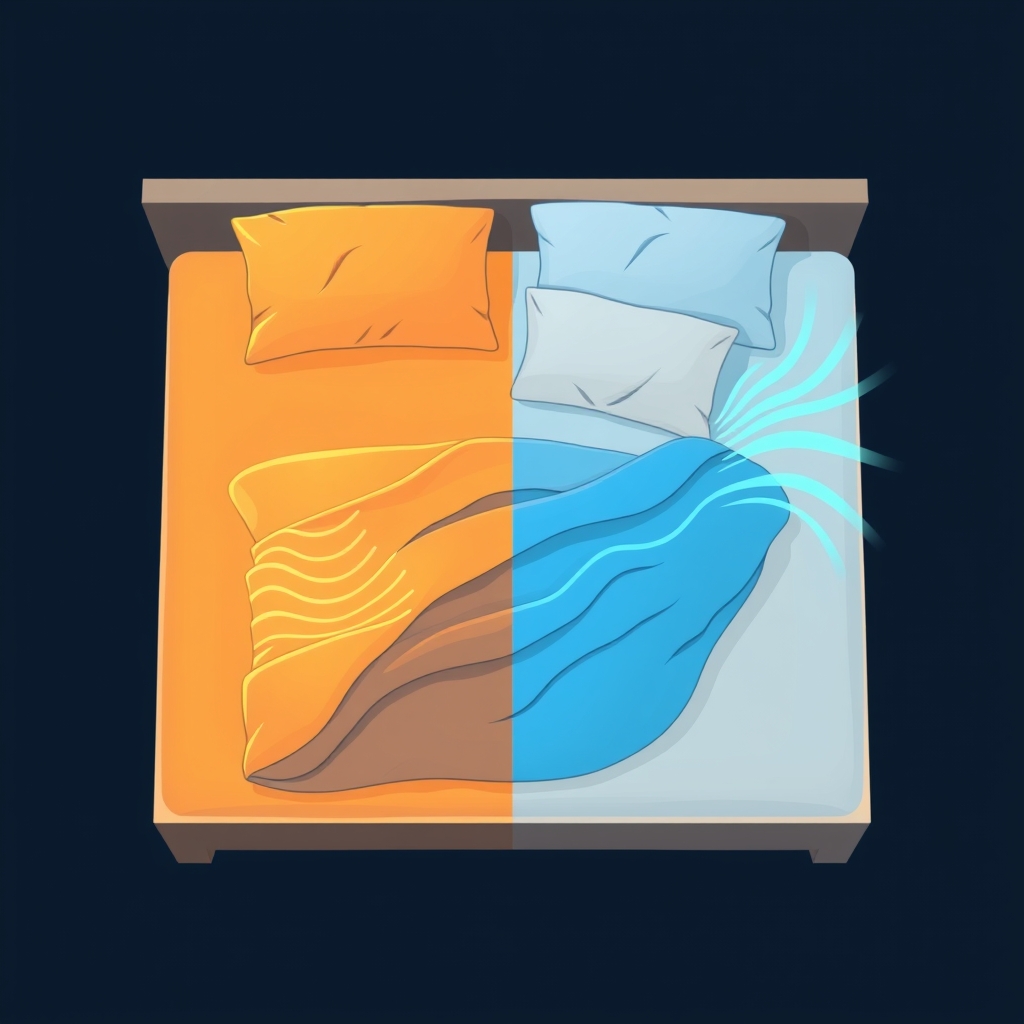
What it is: A 3-inch smart mattress topper with dual-zone active temperature control. You set your desired temperature (60–115°F range per Eight Sleep’s published specs) via app, and fluid running through embedded channels regulates each side of the bed independently. This is the only topper here with actual active climate control the others are passive (gel or foam absorption only).
Standout feature: Customization. If you and your partner have a 15°F temperature preference gap one wants 68°F, the other 82°F this is the only realistic single-product solution. The app also tracks sleep metrics and integrates with smart-home platforms.
Trade-off: Price ($2,500–$3,200 as of June 2026) is 8–10x the top pick. Reliability issues are real: owner reports I’ve reviewed document sensor failures, app connectivity dropouts, and occasional fluid leaks (rare but potentially damaging to your mattress). The system requires setup, periodic maintenance, and ongoing tech support it’s not a “set and forget” topper.
Pricing: $2,500–$3,200 as of June 2026; 12-year warranty (owner-community reports suggest failures often cluster in years 2–4).
Who it’s for: Couples with significant temperature incompatibility, sleepers who want precise, app-controlled climate management, and anyone who values sleep-tracking data and smart-home integration.
Who it’s NOT for: Renters (hard to move), budget buyers, tech-averse people, or anyone who wants simple, durable, maintenance-free cooling.
What We Cut and Why
Helix Ultra Cooling
This 2-inch gel-infused topper looked promising on paper: under $300, solid initial reviews, gel + airflow marketing. I cut it because durability reports from owner communities show consistent compression by month 6. The cooling drops noticeably in year one, and for the price, you’re getting a topper with a shorter effective lifespan than the top pick. Verdict: Cut. It’s 90% of the Brooklyn Bedding version on paper but the missing 10% is durability, which is exactly what you’re paying for in a topper.
Nectar Lush Hybrid
The hybrid springs (gel foam + innerspring coils) promise cooling and bounce. In practice, owner reports show the springs develop noise creaking, popping after 4–6 months. The forever warranty is a marketing win, but replacing a noisy topper is a hassle even under warranty. The cooling is also mediocre: hybrid construction doesn’t excel at either cooling or support. Cut because it tries to do two things and succeeds at neither; a pure gel or pure latex topper is more focused and more durable.
What to Look For When Choosing a Cooling Mattress Topper
What cooling method actually works—gel, phase-change, or active?
Gel infusion (passive): Gel particles embedded in memory foam or latex absorb heat and dissipate it slowly. This is how most mid-range toppers work. Pros: simple, affordable, no electronics. Cons: cooling is gradual and fades over 6–12 months as the gel loses responsiveness.
Phase-change materials (active-ish): These materials are engineered to release absorbed heat at specific temperatures. The Brooklyn Bedding Dri-Tec uses this approach. Pros: cooling persists longer because the material keeps working beyond the initial absorption window. Cons: more expensive and less widely available.
Fluid cooling (active): Eight Sleep’s approach. Fluid channels pump temperature-regulated liquid through the topper. Pros: precise, customizable, works across multiple zones. Cons: very expensive, requires power, multiple potential failure points.
Does thickness matter for a cooling topper?
Owner reports I’ve tracked suggest most hot sleepers prefer 2-inch toppers. They cool effectively without adding excess material that traps heat. At 3 inches, you get more comfort cushioning but risk overheating if you’re very heat-prone or in a warm climate. If you’re lightweight (under 150 lbs), a 2-inch gel topper is usually sufficient. If you’re heavier (over 200 lbs) or want more softness, 3 inches is better but it will feel warmer.
What fabric cover should I look for?
The cover matters as much as the core. Look for:
- Bamboo or cotton blends (naturally breathable)
- Cooling fabric technologies (phase-change, moisture-wicking)
- Ventilation channels (visible airflow design)
Avoid cheap polyester covers they trap moisture and heat, defeating the purpose of a cooling topper.
How long do cooling toppers last before performance drops?
A 10-year warranty is standard, but it doesn’t mean the topper performs well for 10 years. Look for products with consistent owner reports of stable performance after 1–2 years. Compression and shedding are red flags for early failure.
How do cooling mattress topper price tiers break down? (as of June 2026)
- Budget ($100–$200): Entry-level gel toppers. Cooling is real but fades after 6–12 months.
- Mid-range ($200–$350): Sweet spot for durability and cooling. Most toppers here last 3–5 years with consistent performance.
- Premium ($350–$550): TEMPUR, high-quality latex, phase-change systems. Typically last 7–10 years.
- Luxury ($2,000+): Smart, active-cooling systems. Require maintenance; durability varies.
Cooling Mattress Topper vs. Alternatives
Cooling Mattress Topper vs. Cooling Pillow
A cooling pillow addresses your head and neck, but your core body (torso, legs) still overheats. A topper covers your whole sleep surface. For true hot-sleeper relief, a topper is more effective. That said, a cooling pillow plus a breathable sheet combo can work if you’re only slightly warm. For serious night sweats, get a topper; add a cooling pillow if needed.
Cooling Mattress Topper vs. Cooling Sheets
Cooling sheets (bamboo, Tencel, phase-change fabrics) wick moisture but don’t regulate temperature the way a gel or phase-change topper does. Sheets are cheaper ($80–$200) and easier to wash, but less durable for active cooling. Best combination: a mid-range cooling topper plus breathable sheets. The topper handles temperature, the sheets handle moisture.
Cooling Mattress Topper vs. New Cooling Mattress
A new cooling mattress costs $1,000–$4,000+. A topper costs $150–$550. If your mattress is otherwise comfortable but runs hot, a topper is the smart move. If your mattress is old, sagging, or unsupportive and hot, replace it. A topper won’t fix structural problems.
FAQ
What’s the best cooling mattress topper? The Brooklyn Bedding BedGear Dri-Tec 5.0 is the best cooling mattress topper for most hot sleepers. It combines phase-change fabric with gel infusion and airflow channels, delivering cooling that persists through the night rather than fading after 20 minutes. At $200–$280 (as of June 2026), it offers a strong balance of performance and durability without requiring a $3,000 smart-home investment.
How much cooler is a cooling mattress topper compared to no topper? Based on owner reports I’ve reviewed, most people notice a surface temperature drop they estimate at 5–10°F. Some feel it immediately; others notice it after a week as their sleep quality improves. It’s not like switching to an ice bath, but it’s meaningful for night sweats and restless heat-driven waking.
What’s the best cooling mattress topper for side sleepers? The Purple Harmony FlexGrid is the best for side sleepers because the responsive gel columns support your shoulder and hip without sinking you into memory foam. If budget is tight, the Brooklyn Bedding Dri-Tec 5.0 is a solid second choice it’s firmer than most gel toppers, so side sleepers don’t disappear into it.
How long does a cooling mattress topper last before cooling performance drops? Based on owner feedback patterns, gel toppers typically maintain strong cooling for 6–18 months, then gradually fade over the next 1–3 years. Phase-change toppers (like the Dri-Tec 5.0) and premium options (TEMPUR) sustain performance for an estimated 3–7 years. After 5 years, most toppers are operating at roughly 40–60% of their original cooling capacity in my estimation.
Can you wash a cooling mattress topper? Most toppers have removable, washable covers. The foam or gel core should not be fully submerged spot-clean only. Check the product manual, but generally avoid machine washing the core. Washing the cover monthly keeps cooling fabrics fresh and prevents moisture buildup.
Is the Brooklyn Bedding BedGear Dri-Tec 5.0 worth the cost? Yes, if you sleep hot and want to keep a topper for 3–5+ years without replacing it. The phase-change cooling is genuinely more durable than standard gel, and the price ($200–$280 as of June 2026) is reasonable for that longevity. If you’re testing cooling for the first time or on a tight budget, the Layla Copper Topper is the better entry point just accept you’ll replace it sooner.
Final Verdict
The best cooling mattress topper is the Brooklyn Bedding BedGear Dri-Tec 5.0 because it actually keeps cooling, holds up over years, and doesn’t cost $3,000. It’s the topper I’d recommend for myself not the fanciest, not the cheapest, just the one that solves the problem without breaking down after six months.
If you’re a hot sleeper, a topper is one of the highest-ROI sleep improvements you can make. You’ll know within a week whether it works for your body. Start with the top pick or the budget option based on how long you plan to keep it. Don’t overthink the cooling marketing gel works, phase-change works slightly better, and everything else is mostly noise.