
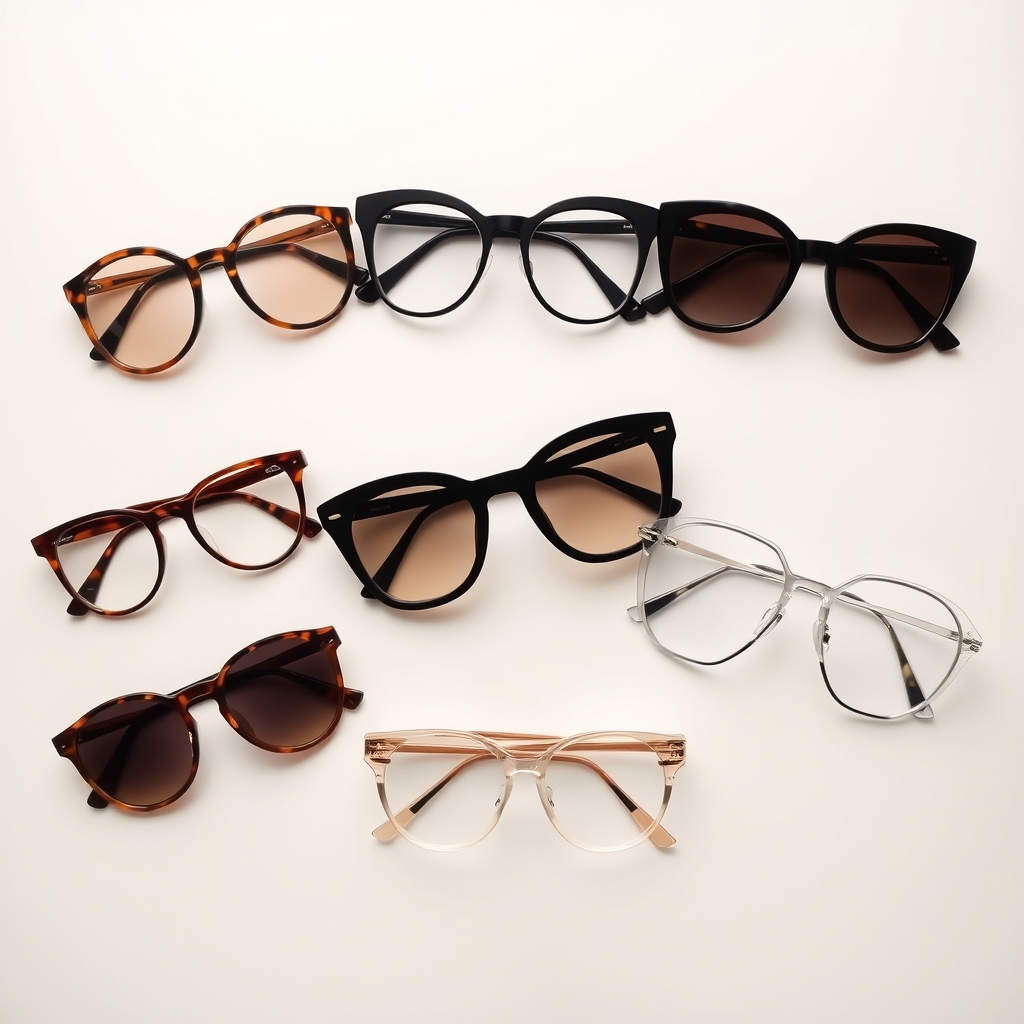
The right sunglasses aren’t just about UV protection they’re a styling anchor that can balance your face proportions and sharpen your whole look. To choose sunglasses for your face shape, first identify whether your face is oval, round, square, heart-shaped, or oblong, then select frame widths and angles that contrast with or complement your natural geometry. This takes about five minutes to figure out and immediately narrows your options by half.
What You’ll Need
- A mirror or selfie camera with good lighting
- A ruler or flexible measuring tape (optional, but helpful)
- Your natural hair down or in a typical style
- Honest self-assessment not wishful thinking
Step 1: Identify Your Face Shape
Measure three key distances (rough is fine precision isn’t the goal):
- Forehead width- from temple to temple across the widest part
- Cheekbone width- from under your eye to the outer edge of your face, roughly at eye level
- Jawline length- from the tip of your chin to the edge of your jaw, then double it
- Face length- from the center of your hairline to the tip of your chin
Then compare these proportions to the descriptions below. You don’t need a tape measure visual comparison in the mirror works just fine.
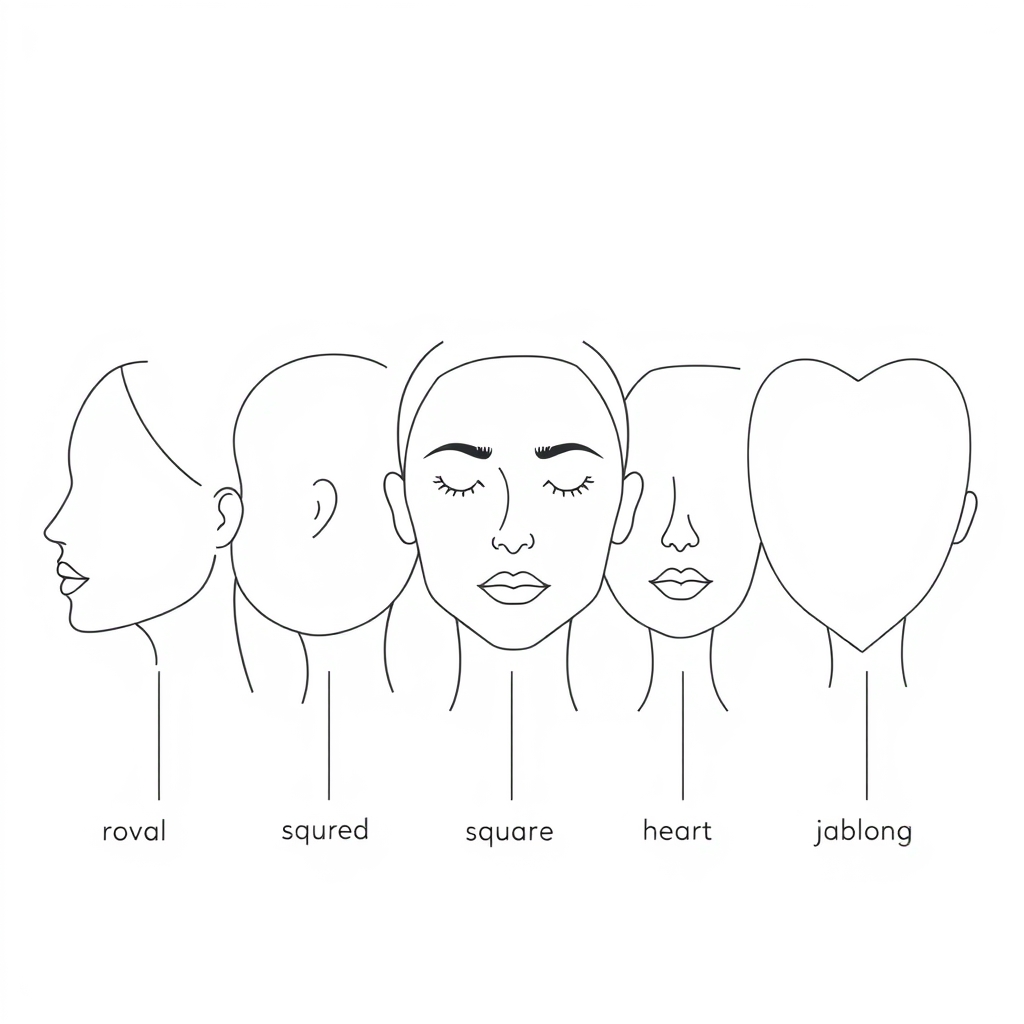
Step 2: Match Your Face Shape to Frame Recommendations
Each face shape has natural proportions that certain frame styles either echo or balance. The goal is usually to contrast with the dominant feature of your face if you have a round face, angular frames add definition; if your face is angular, rounder frames soften it.
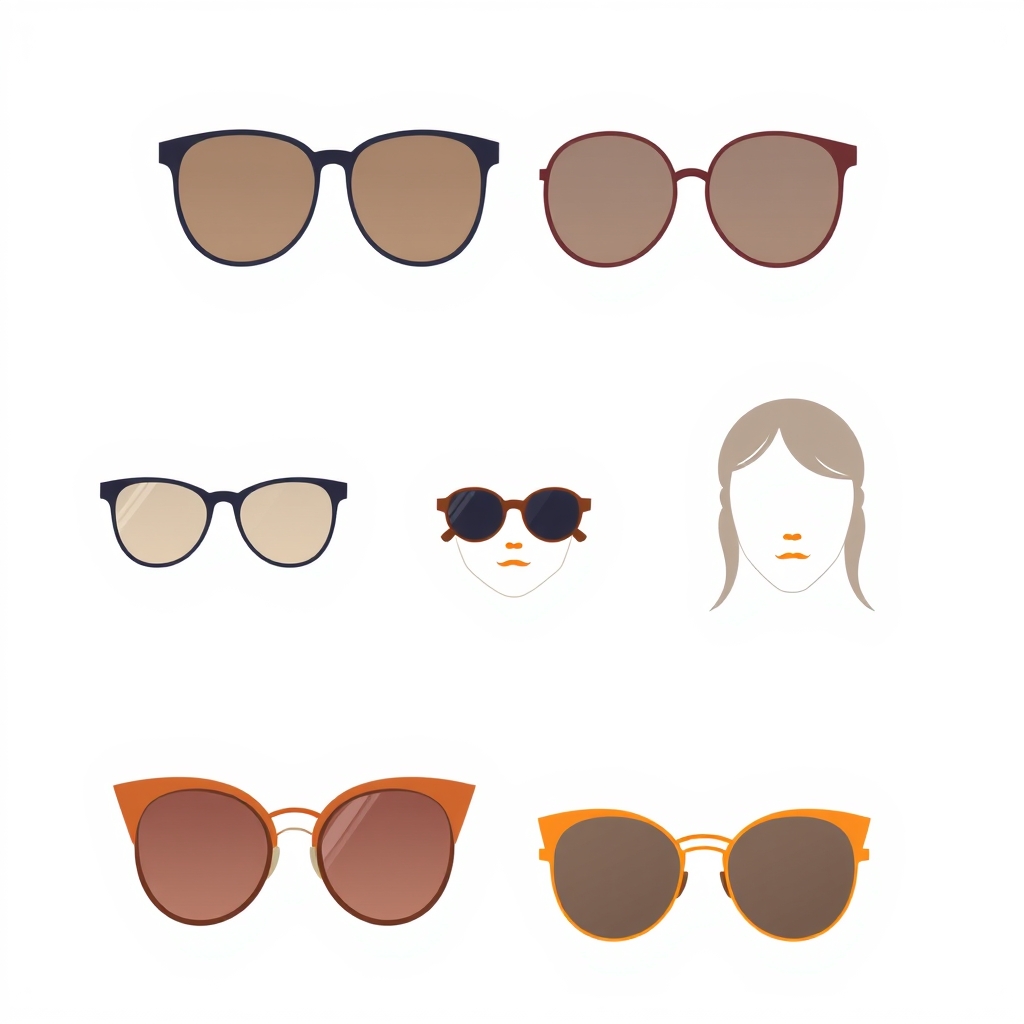
Oval Face Shape
Characteristics: Your face length is noticeably longer than its width; your forehead, cheekbones, and jawline are roughly proportional. An oval face is considered the most “balanced” baseline most frame styles work.
Best frame styles:
- Oversized or geometric frames- bold angles and larger lenses emphasize your balanced proportions without needing to correct anything
- Cat-eye or angular frames- the upturn adds visual interest without fighting your natural shape
- Classic aviators or wayfarers- these midweight styles suit oval faces because you’re not trying to correct or emphasize any single feature
Styling tip: Oval faces can pull off both bold statement frames and minimal styles. Pair oversized frames with hair texture that has movement (wavy or layered) to avoid looking too heavy on top.
Round Face Shape
Characteristics: Your face width and length are nearly equal; your cheekbones are the widest part; your jawline is soft and rounded.
Best frame styles:
- Angular or geometric frames- sharp lines (squares, rectangles, geometric polygons) create the illusion of a narrower face and add definition to a soft jawline
- High-bridge or top-heavy frames- frames that sit higher on the face draw the eye upward, elongating your proportions
- Narrow or vertically-oriented frames- avoid wraparound or overly wide frames, which will emphasize roundness
Styling tip: Pair angular frames with sleek, pulled-back hair (a high ponytail, bun, or slicked sides) to reinforce the lengthening effect. Avoid layers or volume around the cheeks, which will fight the narrowing work your frames are doing.
Square Face Shape
Characteristics: Your forehead, cheekbones, and jawline are all roughly equal in width; your jawline is defined and angular; your face length is roughly equal to its width.
Best frame styles:
- Round or curved frames- circles, ovals, or frames with soft edges soften a strong jawline and add roundness to counterbalance angular features
- Oversized round or browline frames- these add width across the upper face and draw attention away from a prominent jaw
- Frames with soft or rounded top edges- avoid sharp top corners, which echo your natural angles and double down on squareness
Styling tip: A square face pairs beautifully with textured or wavy hair that softens the overall silhouette. Avoid blunt, poker-straight styles or severe, sharp haircuts let softness in your hair mirror the softness in your frames.
Heart Face Shape
Characteristics: Your forehead and cheekbones are noticeably wider than your jawline, which tapers to a point; you may have a widow’s peak.
Best frame styles:
- Bottom-heavy or browline frames- wider at the bottom than the top, these draw attention downward and balance a wider forehead
- Rounded or cat-eye frames- the curved lines counterbalance a sharp jawline and add width to the lower face
- Frames that sit lower on the nose- positioning matters here; lower-slung frames shift visual weight toward your chin and jaw
Styling tip: Heart-shaped faces benefit from hair that has volume around the jawline and chin waves, flipped-out ends, or layered cuts around the lower face add the width your jaw needs. Avoid pulled-back styles or sleek bobs, which will emphasize the taper.
Oblong (or Rectangular) Face Shape
Characteristics: Your face length is noticeably longer than its width; your forehead, cheekbones, and jawline are all proportionally narrow and fairly uniform.
Best frame styles:
- Oversized or wide frames- maximum width counterbalances your face length and makes your proportions feel less stretched
- Bold, chunky frames or decorative details- thick frames or frames with color add visual bulk, which breaks up length
- Frames with height or volume- browline or oversize styles that extend above the brow draw attention upward and shorten the perceived face length
Styling tip: Oblong faces look best with hair that has volume at the sides (waves, layers, or a shoulder-length cut with movement). Avoid long, straight hair or slicked-back styles, which will emphasize the length of your face. Bangs or wispy layers around the forehead also help.
Step 3: Check Lens Width and Bridge Fit
Lens width matters more than you think. Your sunglasses should:
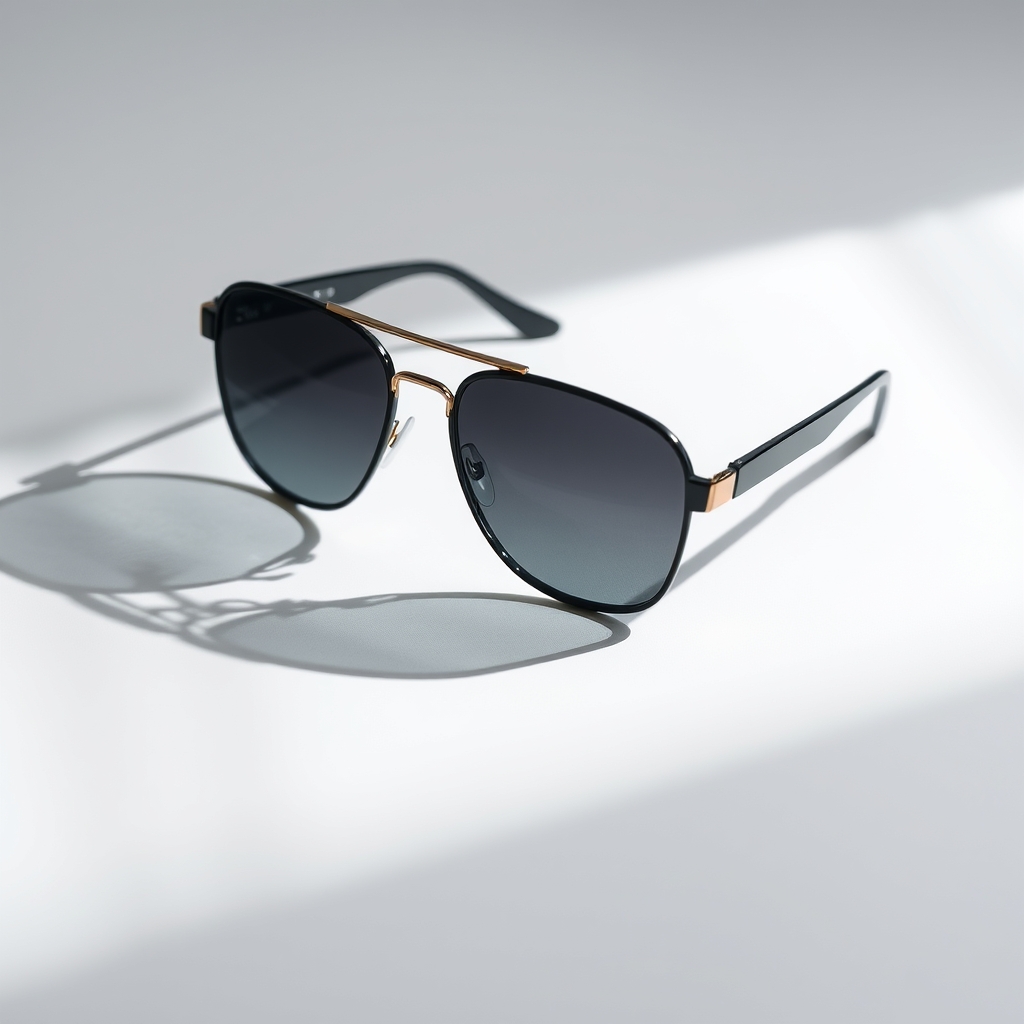
- Cover your cheekbones- the bottom of the lens should sit just above your cheekbone, not rest directly on it
- Not extend beyond your temple- if the outer edge of the frame is wider than your face, they’re too big (the opposite problem frames too narrow makes your face look wider)
- Have a bridge that doesn’t pinch- the bridge (the part between the lenses) should sit flat on the bridge of your nose without gaps or pressure
Pro tip: If you’re between sizes, go slightly larger rather than smaller oversized frames read as intentional and flattering; frames that are too small pinch your face visually and look outdated.
Step 4: Consider Your Hair Texture and Personal Style
Hair texture affects how frames land on your overall silhouette. If you have:
- Straight hair: You can pull off sleek, minimal frames or bold, geometric styles equally well
- Wavy or curly hair: Balanced or soft frames (rounded, cat-eye, browline) tend to harmonize better than very sharp, angular designs, which can fight the organic texture of your hair
- Fine or thin hair: Avoid frames that are too bold or heavy, which will overwhelm delicate features; stick to light-colored or transparent frames
- Thick or voluminous hair: You have more room to go bold; chunky frames, dark colors, and statement styles won’t be overpowered
Personal style also matters. If you’re a minimalist, a bold frame that matches your face shape perfectly but clashes with your aesthetic will sit unworn in a drawer. Choose a frame that works for both your face shape and your actual style identity.
The Mistake Everyone Makes
Most people choose sunglasses based on what looks good on the model in the photo, not on their own face proportions. A celebrity with a round face pulling off cat-eyes doesn’t mean cat-eyes work for your round face celebrity stylists spend hours finding the exact angle, tilt, and hair arrangement to make off-shape frames work, and they may also rely on contouring or makeup tricks.
When trying on frames, ignore the brand name and celebrity endorsement. Instead, ask: “Do these frames balance my face, or do they emphasize the features I’m already self-conscious about?” If your concern is a wide jawline, rectangular frames that double down on width won’t help even if they’re trendy.
The Caveat: Prescription, Polarization, and Lens Color
If you need prescription sunglasses, your options for frame shape narrow (specialty manufacturers have limits on what can be filled with Rx lenses). Plan for this constraint early: if you’re shopping for prescription sunglasses, start with brands that specialize in Rx Warby Parker, Zenni, and EyeBuyDirect are well-known options and filter by face shape from there, not the reverse.
Polarized lenses are a separate choice from frame shape, but they’re worth considering: polarized lenses reduce glare off water and reflective surfaces, but some people experience mild visual distortion or difficulty reading LCD screens. Try them on in a store before committing if you’re new to polarization.
One more thing lens color won’t fix: darker tints don’t automatically mean more UV protection. UV blocking is a coating independent of tint depth a light-gray lens with a proper UV400 coating protects you more than a very dark lens without one. Check the label, not the darkness.
Common Questions
Q: What if I have a face shape that doesn’t fit these five categories? A: You likely have a blend for example, a round-to-square or oval-to-oblong mix. Identify which of the five categories you’re closest to, then apply those recommendations. If you’re truly between two shapes, prioritize contrasting with your widest or most prominent feature (usually cheekbones or jawline).
Q: Can I wear any frame style if I style my hair the right way? A: Hair styling can mitigate a poor frame choice, but it shouldn’t have to. The goal of matching frames to face shape is to start with a baseline that works with minimal effort then styling becomes an accent, not a correction. If you find yourself always having to style your hair a specific way to make your frames work, they’re probably not the best fit.
Q: Do I need to try on sunglasses in person? A: Ideally, yes especially for your first intentional frame purchase. Virtual try-on tools are improving, but they often distort proportions and can’t accurately show how frames sit on your actual nose bridge and ear. Once you know what works for you, online shopping is faster and often cheaper.
Q: Should I buy multiple styles for different outfits? A: If sunglasses are a regular part of your style, having 2–3 frames in different styles (one bold, one neutral, one mid-tone) gives you flexibility. But your primary frame should be the one that flatters your face shape most consistently that’s your workhorse pair.
Q: Are there brands that specialize in frames for specific face shapes? A: Not typically most brands offer a range of shapes. Filtering by frame style (round, geometric, cat-eye) once you know your target shape is faster than searching by brand. Our sunglasses buying guide breaks down top-rated options by category and UV protection level if you want a shortlist.
How We Researched This: We compared face shape frameworks used across eyewear styling guides, analyzed how frame proportions interact with facial geometry, and drew on styling principles commonly cited by opticians and eyewear specialists. Recommendations reflect established contrast principles not invented rules and are consistent with patterns found across reputable eyewear guides.
Next Steps
Once you’ve identified your face shape and preferred frame style, try frames on in person before committing to a full-price purchase. Many retailers offer a 30-day return window, so there’s room to experiment.
If you’re looking for specific brand recommendations and UV protection comparisons, our sunglasses buying guide covers top-rated options across price ranges and frame categories.