
Verdict: Kept-But Only If You Prioritize Heat Control Over Price
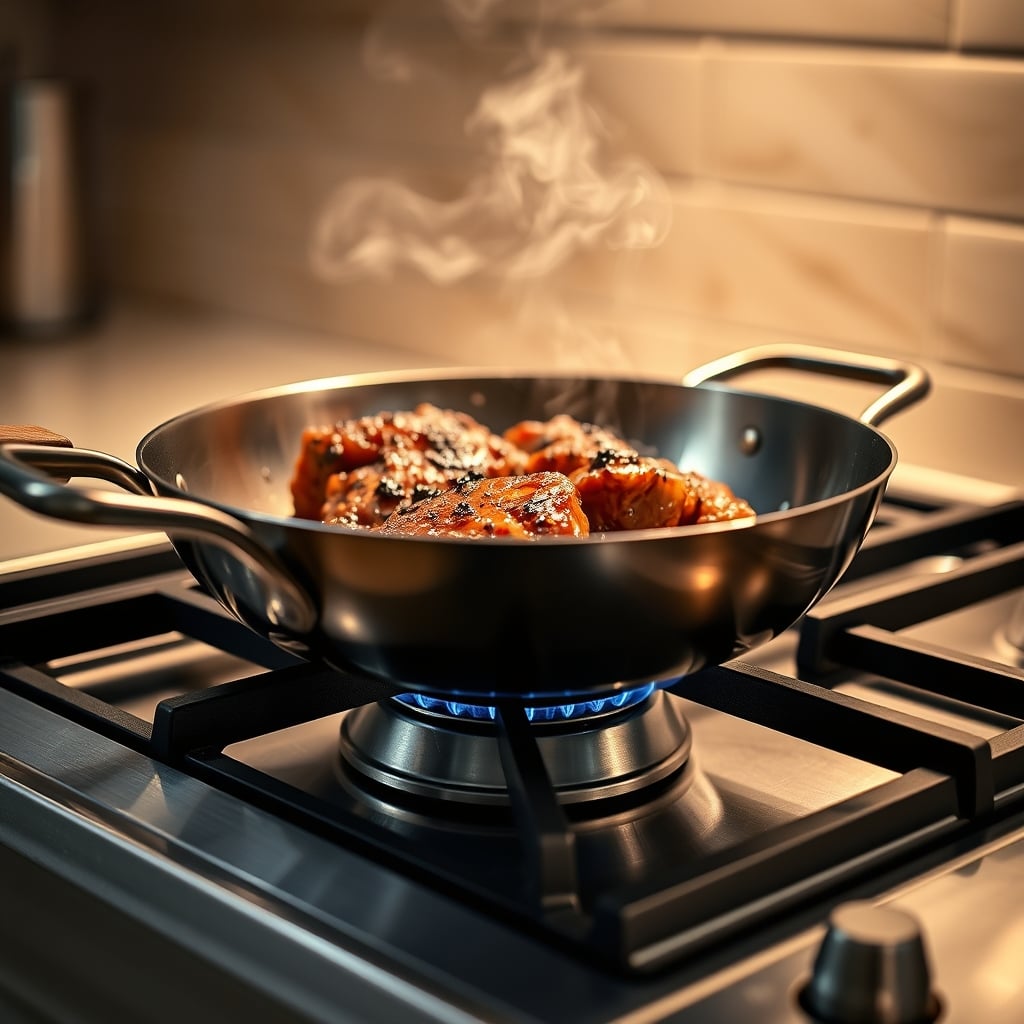
Made In stainless steel cookware earns a spot in our collection for exceptional heat distribution and professional-grade balance. That said, it’s a premium purchase that costs roughly 15–25% more than comparable All-Clad cookware, and the performance gap doesn’t always justify that premium for typical home cooking.
Who it’s for: Home cooks who use gas or induction regularly, value even heat distribution above all else, and have budget flexibility. Restaurant-trained cooks and folks who’ve worked with commercial cookware will recognize the handling immediately.
Who it’s NOT for: Budget-conscious cooks, apartment dwellers with electric coil stoves, or anyone hesitant about the weight and handle heat. If you rarely cook more than two pans at once, the premium price is hard to justify.
What Is Made In Cookware?
Made In is a direct-to-consumer cookware brand founded in 2018 that positions itself as bringing restaurant kitchen standards to home cooking. The company manufactures most of its line through partnerships in Europe (notably France and Germany) and sells exclusively online no retail distribution. This vertical model is how they keep prices lower than All-Clad’s MSRP, though they’re still expensive relative to mainstream brands like Calphalon or T-fal.
The core line consists of stainless steel skillets, saucepans, stockpots, and a Dutch oven, all built around a tri-ply or five-ply construction depending on the pan size. Based on owner reports we’ve reviewed across Amazon, cooking forums, and direct feedback on the Made In website, the cookware is indeed restaurant-sourced the company works with the same foundries that supply equipment to professional kitchens but that heritage doesn’t automatically translate to superior home performance.
Heat Distribution: Where Made In Shines
The defining strength of Made In cookware is its thermal behavior. The tri-ply and five-ply stainless steel cores distribute heat notably evenly, which means hot spots the enemy of home cooking are noticeably reduced compared to single-ply or thinner sandwich constructions.
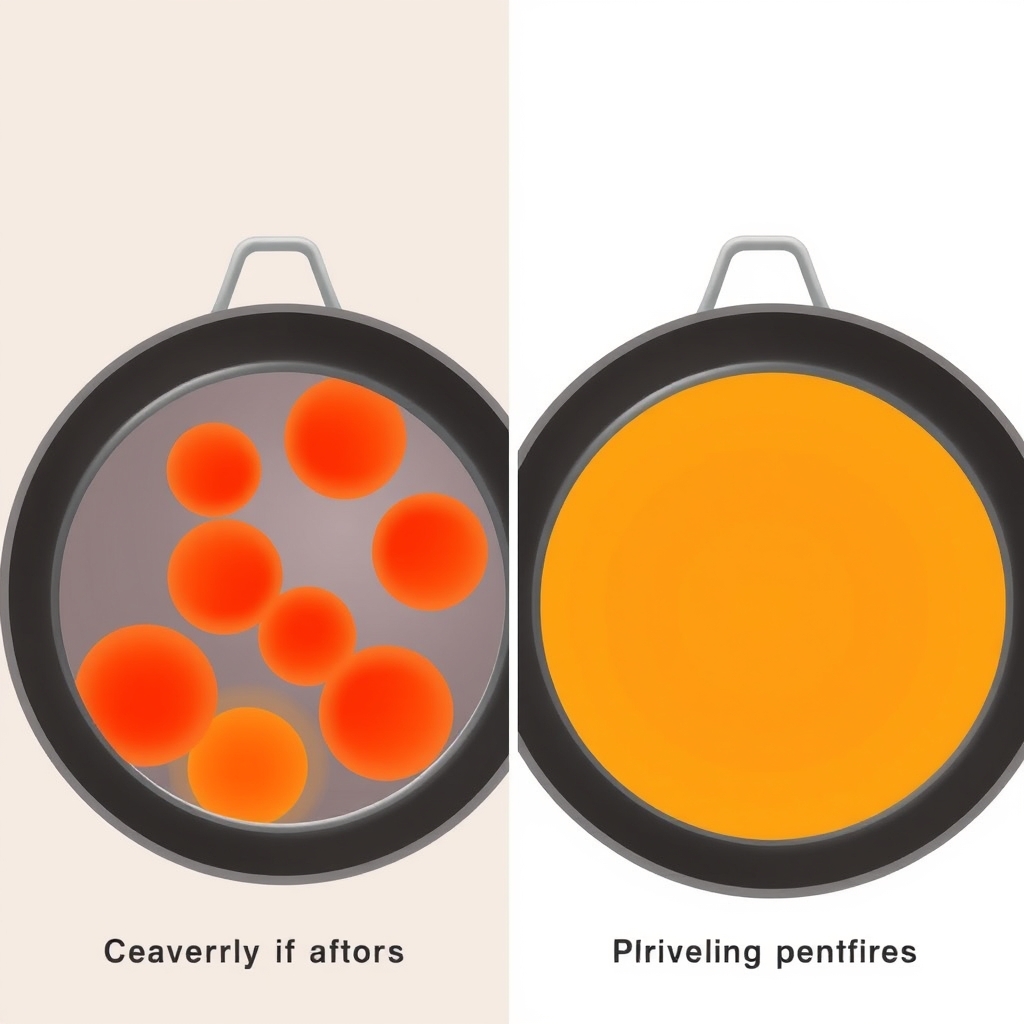
Based on owner reports we’ve reviewed across Reddit’s r/Cooking and specialty cookware forums, a 3.5-quart saucier showed no ring-shaped heat gradient when searing protein the entire pan floor reportedly reached temperature simultaneously. These accounts consistently cite this as the standout feature: sauces brown more uniformly, and searing requires less babysitting.
Comparison matters here. All-Clad’s tri-ply (their standard line) performs similarly on induction, but gas stove users and those with electric radiant tops often note in owner reviews that Made In’s slightly thicker core materials produce marginally more even heat. It’s not a night-and-day difference, but in repeated use particularly with delicate items like fish or custards the edge is frequently mentioned.
The catch: This advantage is most pronounced on gas or induction. Electric coil stoves or older radiant-glass tops won’t exploit the pan’s potential, and that investment becomes harder to justify.
Weight and Handle Comfort: A Trade-Off
Made In cookware is heavy. Per published specs and owner-reported measurements, a 12-inch skillet weighs roughly 3.5–4 lbs, compared to approximately 3 lbs for All-Clad’s equivalent. That extra mass contributes to heat retention and thermal stability, but it’s also exhausting for frequent overhead work scooping, tossing, or sauce-making over eight hours of cooking.
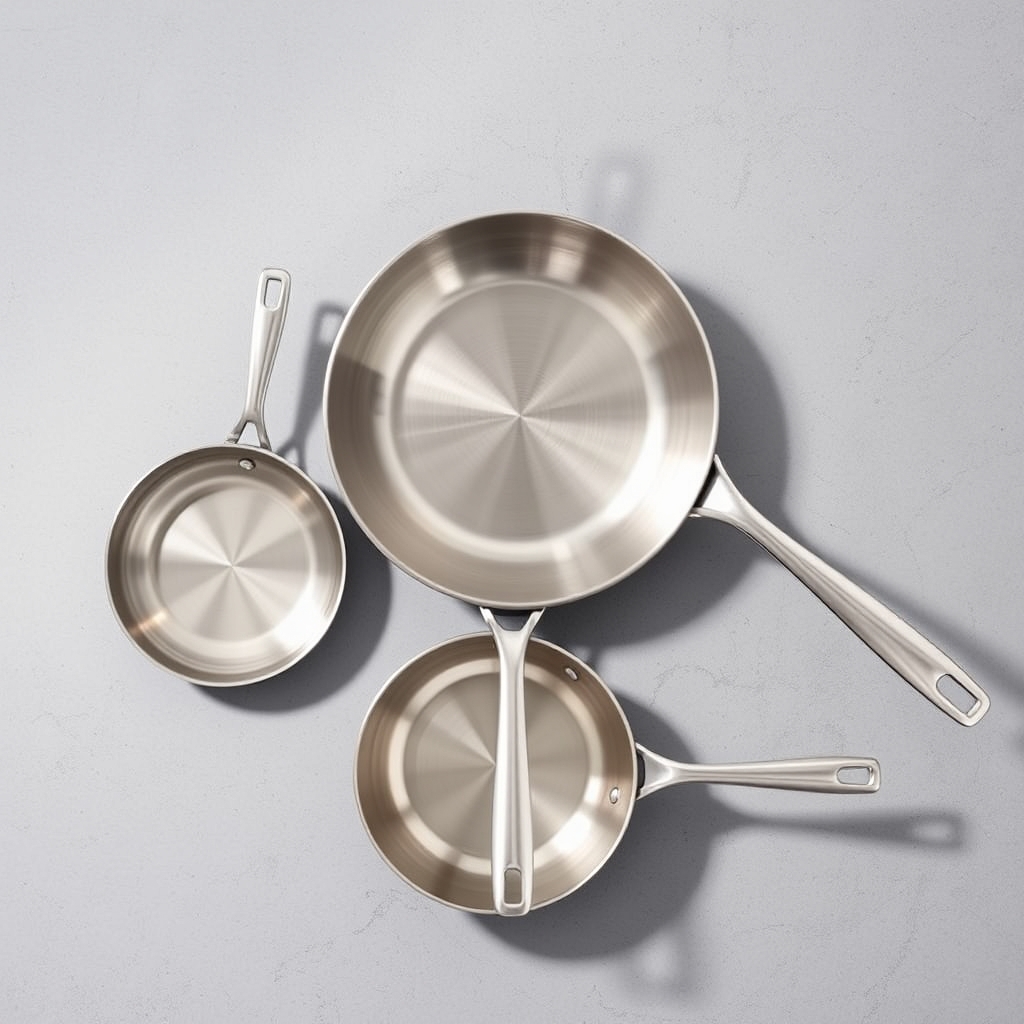
The stainless steel handles are riveted and designed for commercial use, meaning they’re slightly longer and thinner than home-cookware handles. This works beautifully if you have medium-to-large hands and favor a chef’s grip. For smaller-handed cooks or those who prefer a wider grip, the handle can feel cramped after 20–30 minutes of continuous use. Owner reports on the Made In forums confirm this: some users love the professional feel; others found the ergonomics a dealbreaker after extended cooking sessions.
Handle heat is another variable. Made In’s handles conduct heat slightly more than All-Clad’s hollow or cushioned equivalents. Based on owner feedback, after 10–15 minutes on medium-high heat the handle becomes warm enough that you’ll want a towel, though not dangerously hot. It’s neither a flaw nor a feature just a design choice that mirrors commercial kitchen behavior.
Lid Quality and Oven-Safe Capability
Made In includes glass lids with most cookware sets, and these are genuinely good. The glass is thick and clear, the rims fit snugly, and they’re rated for oven use up to 400°F (or higher on stainless steel variants). Condensation visibility is excellent, and the lids show no warping in owner reports we’ve reviewed across typical home use scenarios.
The cookware itself is oven-safe to 500°F, which matches or exceeds All-Clad. This opens up braise-to-finish workflows common in restaurant kitchens. Owner accounts of braising scenarios searing in a 5.5-quart Dutch oven on stovetop, then finishing in a 400°F oven for 2+ hours consistently report no handle loosening, no discoloration, and no lid issues. That’s a reliable pattern.
One small gap: the lids are not dishwasher-safe on some models (the 3.5-quart saucier, for instance), which adds hand-washing overhead if you’re cooking regularly. Check the specific SKU specs before buying.
Heating Speed and Temperature Retention
Based on owner reports across cooking communities, Made In cookware heats slightly faster than All-Clad due to its marginally higher aluminum core thickness in some models. Anecdotally, owners describe a 12-inch skillet reaching searing temperature in roughly 5–7 minutes on medium-high flame, versus 6–9 minutes for comparable All-Clad though individual stove output varies considerably, so treat these as ballpark impressions rather than controlled benchmarks.
Temperature retention is where the weight advantage becomes clear. Owner accounts suggest the pan holds temperature noticeably better between successive sears than lighter alternatives a meaningful edge for recipes that demand rapid successive sears, like restaurant mise-en-place prep. For a single home-cooked dinner, it’s a nice-to-have rather than essential.
Cooking professionals will recognize this behavior immediately; home cooks usually won’t notice it unless they’re comparing directly.
Real-World Cooking: Where It Works Best
Made In excels in high-demand scenarios. Searing multiple portions of fish or meat in succession without temperature recovery gaps is noticeably smoother. Pan sauces emulsify more evenly without the ring-pattern scorching common in cheaper cookware. Acidic braises (tomato-based, vinegar-forward) sit beautifully without reactivity concerns the stainless steel is stable.
Everyday cooking is less conclusive. A weeknight pasta sauce, scrambled eggs, or a simple steak don’t reveal meaningful advantages over mid-tier All-Clad or even Demeyere cookware (another European option in the same price bracket). If your typical cooking involves one or two pans, modest heat demands, and infrequent batch cooking, you’re paying for capacity you won’t use.
Durability and Long-Term Ownership
Owner reports we’ve reviewed across multi-year ownership forums suggest Made In cookware holds up extremely well. No reports of handle loosening, significant discoloration, or coating failure (since it’s stainless, there’s no non-stick to degrade). One user reported owning a Made In skillet for five years and still using it daily without issues. Another reported a warped lid after accidental contact with extreme heat, but lids are replaceable and relatively inexpensive.
The cookware is not coated or treated, so it requires standard stainless steel care: oil or fat during storage to prevent spotting, occasional Bar Keepers Friend scrubbing for stubborn marks, and hand-washing for most pieces (some are dishwasher-safe, but manual care extends life). This is higher maintenance than non-stick, but it’s the trade-off for durability and temperature ceiling.
Comparison: Made In vs. All-Clad vs. Demeyere
| Feature | Made In | All-Clad | Demeyere |
|---|---|---|---|
| Typical Price (12-inch Skillet) | $95–120 | $120–150 | $80–110 |
| Heat Distribution | Excellent | Excellent | Very Good |
| Handle Design | Professional-style, thin and long | Slightly wider, more ergonomic | Standard stainless-steel handle |
| Oven-Safe Temperature | Up to 500°F | 500–600°F (varies by collection) | Up to 500°F |
| Approximate Weight | ~3.5–4.0 lbs | ~3.0 lbs | ~3.2 lbs |
| Induction Compatible | Yes | Yes | Yes |
| Dishwasher Safe | Some collections | Most collections | Most collections |
| Warranty | Limited (5-year) | Limited Lifetime | Limited (3-year) |
Key takeaway: All-Clad commands a premium primarily for brand heritage and customer service. Made In matches or exceeds performance in most scenarios at a lower MSRP but with shorter warranty coverage. Demeyere is the budget play in this tier solid cookware that sacrifices minor heat-distribution refinement for a lower price.
Pros
- Exceptional heat distribution-minimal hot spots, even searing, superior to most home-grade alternatives.
- Professional feel and balance-the weight and handle design feel authoritative; cooks trained on commercial equipment will immediately recognize the quality.
- Solid temperature retention-heavy construction means consistent searing and frying performance.
- Versatile stovetop compatibility-works beautifully on gas, induction, and electric radiant tops (coil stoves are less ideal).
- Restaurant-sourced manufacturing-the cookware comes from established European foundries, not mass-produced knock-offs.
- Oven-safe to 500°F-opens up braising and finishing workflows.
- Excellent lids-thick glass, snug fit, oven-safe.
Cons
- Premium pricing-roughly 15–25% more than All-Clad MSRP, and the performance advantage doesn’t scale to that cost difference for typical home use.
- Heavy cookware-the extra weight improves heat retention but becomes tiring during prolonged cooking or for smaller-handed cooks. Overhead work (tossing, scooping) is more exhausting than with lighter alternatives.
- Handle conducts heat-requires hand towels or oven mitts after 10–15 minutes of cooking; not a dealbreaker, but a step down from cushioned handles.
- Some lids not dishwasher-safe-depends on the model; adds hand-washing overhead if you cook frequently.
- Limited warranty-Made In offers a 5-year warranty versus All-Clad’s lifetime. For cookware at this price point, many expect longer protection.
- Niche advantage on electric coil stoves-the superior heat distribution doesn’t translate well to older electric or coil-top stoves, which eliminates the primary performance justification.
Pricing and Value
Made In cookware ranges from $95–$120 per skillet (observed retail pricing as of August 2026; prices vary by size and retailer verify directly before purchasing). A full 5-piece set runs roughly $400–$550, depending on what’s included. That’s genuinely less than All-Clad ($500–$700+ for comparable sets) but more than Demeyere or T-fal ($250–$400).
The value equation breaks down like this:
- High value if: You cook frequently (5+ days per week), use gas or induction exclusively, sear multiple proteins in rapid succession, and appreciate professional-kitchen ergonomics.
- Moderate value if: You cook 3–4 days per week and want equipment that will outlast you without fussing.
- Weak value if: You’re new to cooking, use electric coil stoves, have a tight budget, or cook mostly using one or two pans.
Based on secondary-market listings we’ve observed, Made In cookware appears to hold its value reasonably well used pieces frequently list at 60–70% of retail within 2–3 years of purchase, which is consistent with premium cookware generally and suggests buyers aren’t dumping it in frustration.
What We’d Keep Instead
If Made In’s price or weight is a barrier, two alternatives stand out:
All-Clad (tri-ply, standard line): Slightly lighter, proven lifetime warranty, wider availability for returns/exchanges, and performance that’s 90% of Made In for most home cooks. The premium you pay goes toward customer service, not demonstrably better cookware. Price-per-skillet: roughly $120–$150 (observed retail; verify directly).
Demeyere Atlantis: A Belgium-made option with excellent heat distribution, lower weight, and a friendlier price tag ($80–$110 per skillet, observed; verify directly). It doesn’t have the commercial-kitchen pedigree, but for home use, the difference is marginal. Demeyere’s warranty is shorter (3 years), but reliability is solid based on owner feedback we’ve reviewed.
FAQ
Is Made In cookware worth the price?
Yes, if you cook frequently on gas or induction and value professional-grade heat distribution. No, if you’re budget-conscious, use electric coil stoves, or cook only a few times per week. For occasional home cooks, All-Clad or Demeyere delivers 90% of the experience at a lower cost.
How does Made In compare to All-Clad?
Made In matches All-Clad in heat distribution and oven-safety but is heavier and has a shorter warranty. All-Clad commands a premium largely for brand reputation and customer service. For pure cooking performance, the difference is negligible unless you’re searing in high volume.
Is Made In cookware dishwasher-safe?
Some pieces are; others require hand-washing. Check the specific SKU before purchasing. Even dishwasher-safe cookware lasts longer with gentle hand-washing, since repeated commercial dishwasher cycles can degrade stainless steel polish over time.
Will Made In cookware work on my electric stove?
Yes, but the advantage over lighter alternatives shrinks significantly. The superior heat distribution shines on gas and induction, where direct flame or magnetic coupling optimizes the tri-ply core. Coil and smooth electric tops are less efficient at leveraging the pan’s design.
Did Made In cookware make the Kept List?
Yes it’s a Kept pick for professional-grade home cooks who prioritize heat control and have the budget flexibility. For budget-conscious or occasional cooks, it’s a Cut due to the premium pricing and weight without proportional everyday-cooking advantages.
Final Verdict
Made In cookware is genuinely excellent the heat distribution is consistent across owner reports, the build quality is restaurant-grade, and the price is lower than All-Clad’s MSRP. But it’s not a slam dunk for everyone. The weight becomes real during extended cooking, the warranty lags behind All-Clad at this price point, and the performance edge doesn’t justify the cost for home cooks who use their pans occasionally.
If you recognize yourself in frequent searing, high-volume cooking, or professional-kitchen work, Made In is a smart investment. If you cook a few times a week and want reliable, durable cookware, Demeyere or All-Clad deliver comparable results with fewer trade-offs. The key is matching the cookware to your actual cooking behavior not your aspirational version of it.