
Luxury linens stay soft, lustrous, and intact when washed in cool water with gentle detergent, air-dried or tumble-dried on low, and stored flat or loosely rolled in a cool, dry closet. The entire routine; from first wash through long-term storage, takes about two hours, with most of that time being machine and air time, not hands-on work.
Investing in premium bed sheets (Egyptian cotton, Pima, linen blends, or high thread-count sets) is only half the battle. The second half is maintenance, and it’s straightforward once you know the non-negotiables: water temperature, detergent type, drying method, and storage environment. This guide walks you through each, addresses the mistakes that trap dirt and wear into fibers, and shows you how to handle stains and common damage.
What You’ll Need
Before you wash:
- Mild, pH-neutral detergent (liquid preferred; powder can leave residue on delicate fibers)
- Mesh laundry bag (optional but recommended for extra protection)
- White vinegar (for softening and brightness)
- Oxygen-based stain remover (not chlorine bleach)
- Lint-free cloths or towels (for air-drying spot checks)
- Washing machine with a gentle or delicate cycle
- Dryer with low-heat setting (or clothesline/drying rack)
How to Wash Luxury Sheets: Step by Step
Step 1: Check the Care Label and Separate Colors
Read the manufacturer’s care instructions first, they override general guidance. Separate white, light, and dark linens into different loads to prevent dye transfer, especially on first wash. New luxury sheets often bleed slightly; washing them alone that first time is standard practice.
Step 2: Pretreat Visible Stains
If you see sweat, oil, or food marks, apply a small amount of oxygen-based stain remover (like OxiClean) directly to the spot 15–30 minutes before washing. Do not rub; let the product sit. Avoid bleach on colored or patterned linens, as it can fade dyes.
Step 3: Load the Machine Loosely
Overloading traps detergent and water in the fibers and prevents thorough rinsing. Fill the drum only three-quarters full. If you have a mesh laundry bag, place the folded sheet set inside for a protective barrier, especially if your machine has an agitator.
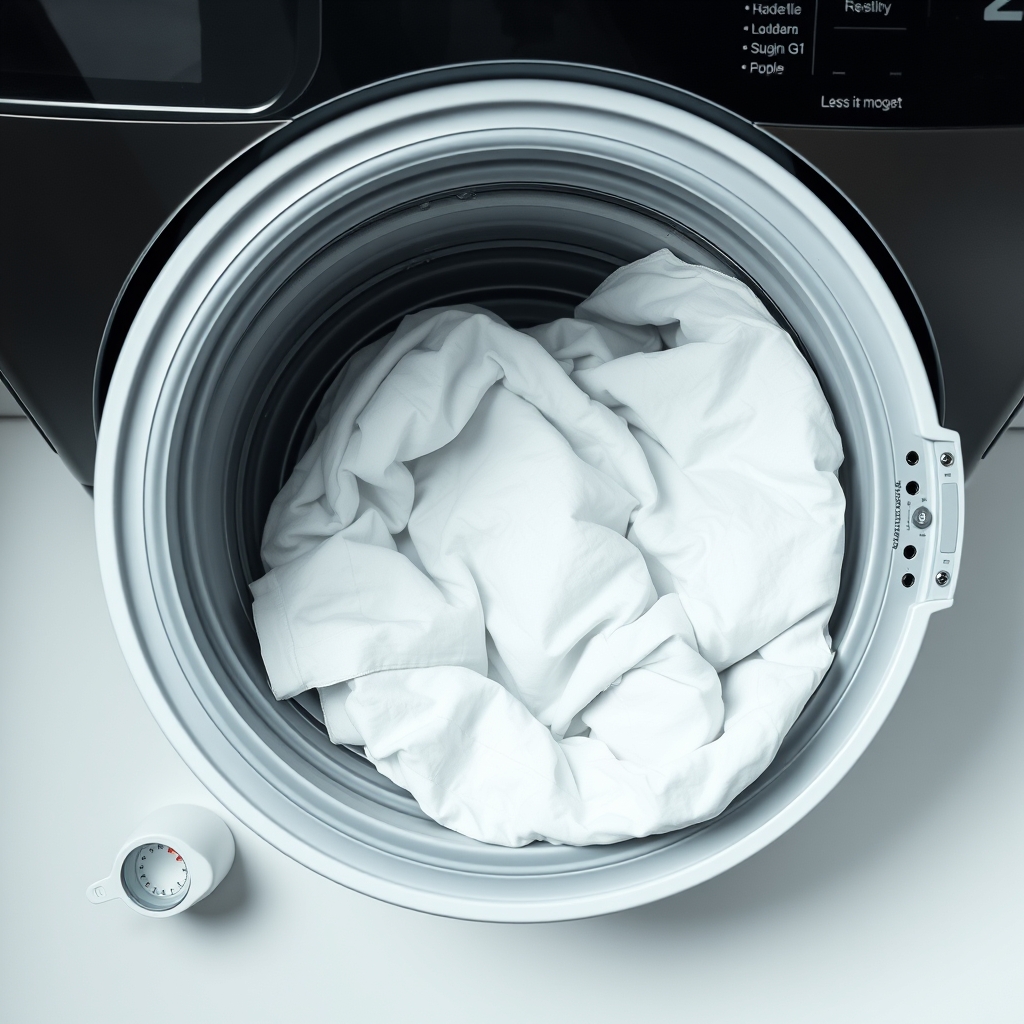
Step 4: Select Gentle Cycle and Cool Water
Use the delicate, gentle, or hand-wash cycle, never heavy-duty or regular wash. Set water temperature to cold (60°F or lower) or warm (not hot). Hot water can fade dyes, shrink certain fibers, and accelerate wear. Cold water cleans just as well for most soils and is gentler on the fabric.
Step 5: Add the Right Amount of Detergent
Use one-quarter to one-half the recommended dose, luxury fabrics don’t need much. Most people use far too much detergent, which leaves buildup, dulls shine, and makes sheets stiff. Liquid detergent rinses out more completely than powder. Avoid fabric softeners; they coat fibers and trap moisture, reducing absorbency and durability.
Step 6: Add Vinegar for Softness (Optional)
Add one-half cup white vinegar to the rinse cycle (or fabric softener dispenser if your machine has one). Vinegar neutralizes detergent residue, brightens whites, and leaves sheets naturally soft without the coating that softeners create. It does not leave a vinegar smell once dried.
Step 7: Run the Cycle
Run the gentle cycle to completion. Most cycles last 30–45 minutes on a front-loader and slightly longer on a top-loader. Do not let wet sheets sit in the machine afterward; mildew and musty odors can develop within a few hours, especially in humid climates.
How to Dry Luxury Sheets: Best Methods
Air-Drying (Recommended for Maximum Longevity)
Air-drying is the gentlest method and extends sheet lifespan noticeably. Hang sheets on a clothesline outdoors or drape them over a drying rack indoors in a well-ventilated space. Avoid direct, intense sunlight for extended periods, as UV can fade dyes. In dry climates, sheets dry in 2–4 hours; in humid areas, expect 4–8 hours or overnight.
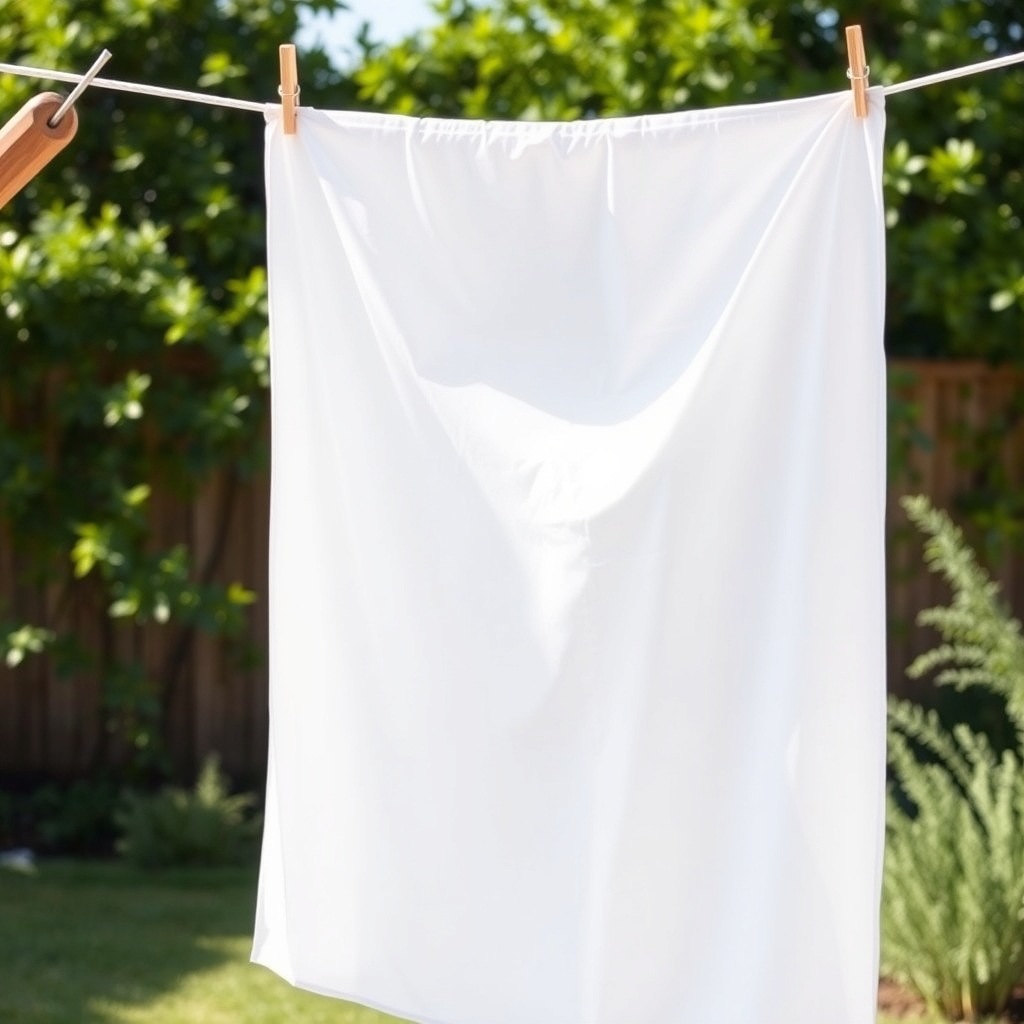
If you hang on a line:
- Hang by a corner or the short edge so the weight is distributed evenly.
- Gently smooth wrinkles by hand before hanging, this reduces ironing later.
- Bring inside when just-dry, not bone-dry; this preserves softness.
Low-Heat Machine Drying (Faster Alternative)
If you use a dryer:
- Set to low heat or air-fluff only, the exact setting varies by machine, but the lowest heat option is the right call.
- Run for 30–50 minutes depending on load size and dryer efficiency.
- Add 1–2 wool dryer balls (or clean tennis balls in a mesh bag) to reduce tumbling friction and help separate sheets.
- Remove promptly when the cycle ends; do not leave damp sheets sitting in the warm dryer, as this can cause wrinkles and odors.
Do not use high heat. It damages elastic fibers (especially in fitted sheets), causes pilling, and weakens the weave over time. Bonus: low-heat drying reduces energy use.
Ironing (Minimal Need if Dried Correctly)
Proper drying eliminates most wrinkles. If you need to iron:
- Lightly dampen the sheets with a spray bottle (do not oversaturate).
- Use a medium or low heat setting with steam.
- Iron on the flat side to avoid flattening the nap or texture.
- Do this while sheets are still slightly damp for best results.
How to Fold and Store Luxury Linens
Folding Method for Fitted Sheets
Fitted sheets confound most people. Here’s a practical fold:
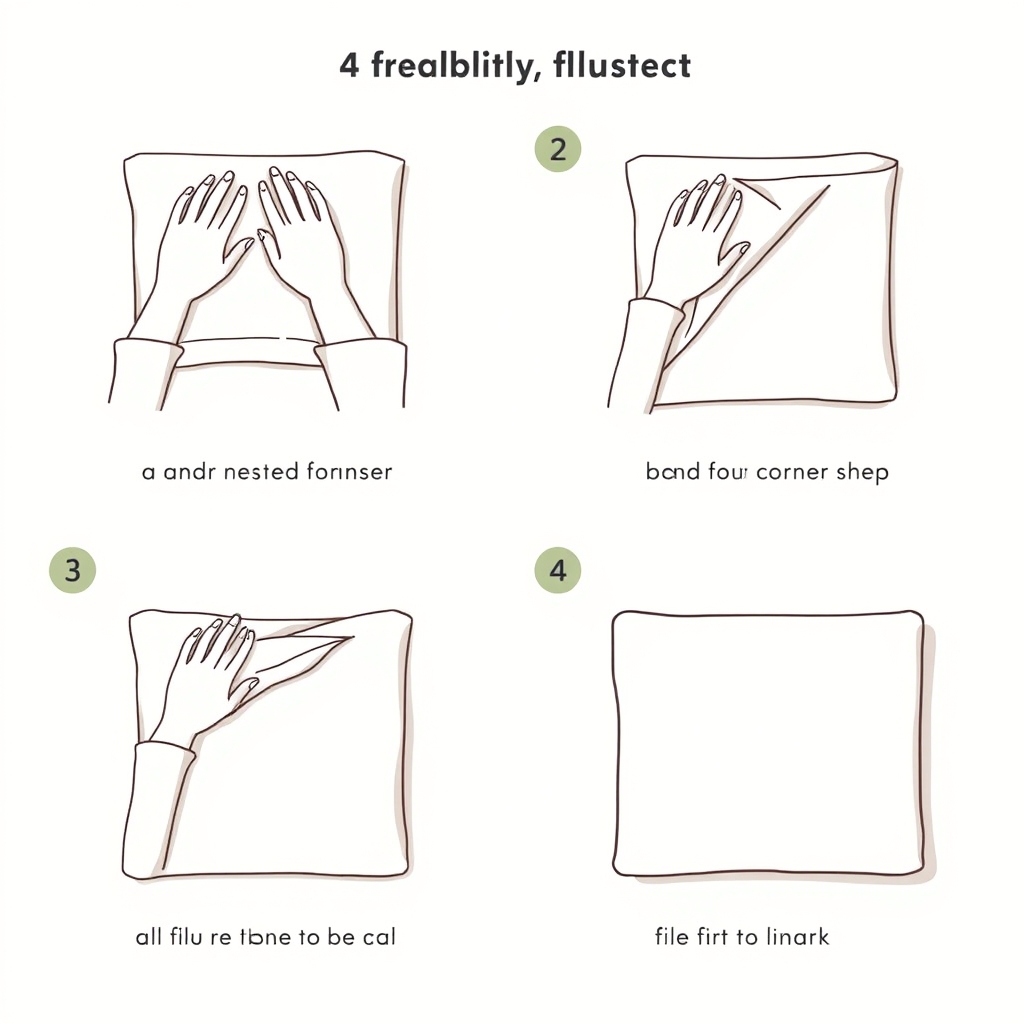
- Hold the sheet inside-out with your hands in two adjacent corners.
- Tuck one corner into the other (corner-in-corner) so the elastic pockets nest.
- Repeat with the remaining two corners until all four are nested inside each other.
- Lay the sheet flat on a clean surface and fold into a rough rectangle.
- For a flatter stack, fold in thirds lengthwise, then thirds or halves crosswise.
Flat sheets are easier: fold in halves or thirds both ways, aiming for a rectangle that fits your shelf space.
Storage Best Practices
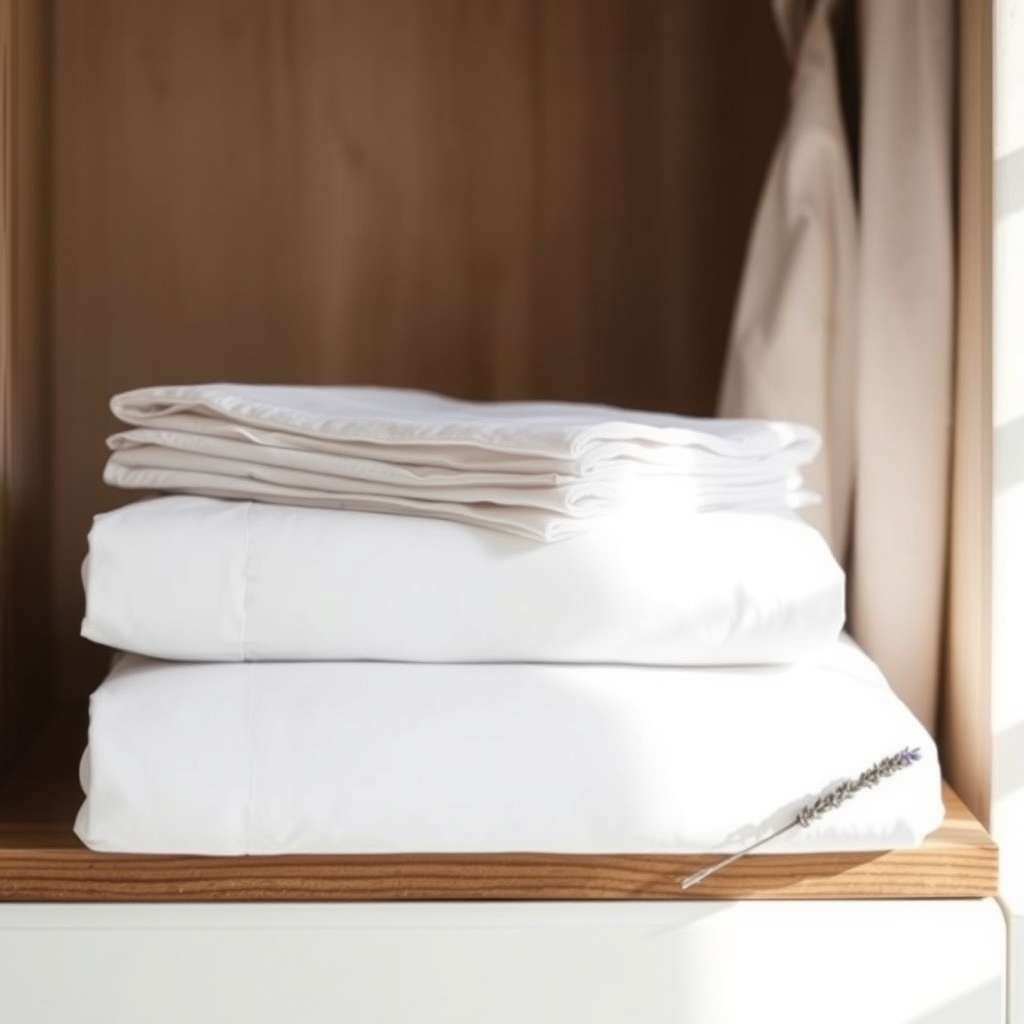
Store sheets in a cool, dark, dry place. Light, heat, and moisture degrade fibers over time. Reasonable storage conditions to aim for:
- Temperature: 60–70°F (room temperature is fine; avoid hot attics or damp basements).
- Humidity: Below 60% (moisture promotes mildew and odors).
- Light: Out of direct sunlight (a closed closet shelf or linen cabinet is ideal).
- Position: Flat or loosely rolled, not tightly compressed for years on end.
If stacking multiple sets, place a breathable cotton cloth (not plastic) between them to allow air circulation. Do not use plastic bags or airtight containers; they trap moisture and can cause yellowing or musty odors.
Rotating Your Sheet Sets
Rotate between 2–3 sets if you wash weekly. This reduces the frequency any single set is washed, dried, and folded, the wear-causing cycles. Sets you use once every few weeks will last measurably longer than those washed every other day.
How to Remove Common Stains and Damage
Yellowing or Discoloration
Cause: Body oils, sweat, mineral deposits in water, or age-related fiber changes.
Solution:
- For white sheets: Soak in a solution of one part white vinegar and four parts cool water for 30 minutes, then wash normally.
- For light colors: Use an oxygen-based brightener (not chlorine bleach) according to package directions.
- For persistent stains: Repeat soaking or apply oxygen-based stain remover directly to the spot before washing.
Pilling (Small Fuzzy Balls on Surface)
Cause: Friction between sheets and skin, or lower-quality fibers rubbing together.
Prevention: Wash in a mesh bag, use lower agitation, and avoid drying on high heat.
Removal:
- Use a fabric shaver (electric or manual) on the affected area, moving gently in one direction.
- Or, carefully use a fine-bristle brush or pumice stone to lift pills without pulling fibers.
- Do not pick pills off by hand; you’ll damage the underlying weave.
Pilling tends to occur most in the first few washes; it usually decreases over time if care is gentle.
Graying or Dullness
Cause: Detergent residue, body oils, or mineral buildup.
Solution:
- Rewash in cool water with half the normal detergent and a half-cup of white vinegar in the rinse.
- For persistent buildup: Run an empty gentle cycle with just vinegar (1 cup) to clean the machine itself.
- Switch to a gentler, pH-neutral detergent going forward.
Small Holes or Tears
Prevention: Wash in a mesh bag, check for sharp objects in the washer, and avoid placing linens near rough furniture or bed frames.
Repair:
- For small holes (less than 0.5 inches), use needle and thread to stitch the edges closed with a small whip stitch.
- For larger damage, consider a patch sewn on the underside of the sheet (less visible).
- If the damage is near the edge or corner, carefully trim loose threads and fold the edge to hide the fray.
Common Mistakes and How to Avoid Them
Mistake 1: Washing Too Hot
Hot water feels like it cleans better, but it fades dyes, weakens fibers, and can shrink sheets (especially on first wash). Stick to cool or warm water. You lose nothing in cleaning power.
Mistake 2: Using Too Much Detergent
Residual detergent buildup dulls the shine, stiffens the fabric, and can trap odors. Cut your normal dose in half. The sheets will still be clean, and you’ll notice they feel softer and look brighter after a few washes.
Mistake 3: Machine Drying on High Heat
High heat is the fastest route to pilling, weakening, and shrinkage. Low heat or air-dry will add years to the lifespan. If speed is necessary, use medium heat for no more than 20 minutes, then air-finish.
Mistake 4: Leaving Wet Sheets in the Washer
Even a few hours in a warm, damp environment breeds mildew and odors that are hard to remove. Transfer to the dryer or line immediately after the cycle ends.
Mistake 5: Storing in Plastic Bags
Plastic traps moisture and can cause yellowing, mildew, and odors. Use breathable cotton bags, cardboard boxes (with holes punched for airflow), or open shelves in a closet.
Troubleshooting Luxury Sheet Problems
Sheets Still Feel Stiff After Washing
Likely cause: Detergent residue or hard water minerals.
Fix: Rewash in cool water with half your normal detergent and vinegar. Or run an extra rinse cycle. If the problem persists, consider a water softener or switching to a detergent designed for hard water.
Fitted Sheets No Longer Fit the Mattress
Likely cause: Shrinkage from hot water or high heat.
Prevention: Always use cool or warm water and low heat.
Note: Many luxury sheets shrink slightly (around 2–5% is common based on owner reports) on first wash. Check the label for pre-shrink information. If sheets are now too loose, they are unlikely to recover; consider donating and replacing.
Linens Smell Musty or Moldy
Likely cause: Stored in a damp environment or left wet in the washer.
Fix: Rewash in cool water, add a half-cup of white vinegar, and hang to dry in sunlight if possible (sun naturally reduces odor-causing bacteria). Store in a dry, ventilated space moving forward.
Faded Colors After a Few Washes
Likely cause: Hot water, harsh detergent, or bleach exposure.
Prevention: Always wash dark and light colors separately, use cool water, and avoid bleach on colored linens. Oxygen-based brighteners are safer for color preservation.
Extending the Lifespan of Luxury Linens
Wash Frequency
You don’t need to wash sheets weekly. Most people find comfort washing every 7–14 days, depending on climate, skin sensitivity, and personal preference. If you rotate 2–3 sets, any single set is washed less often, which measurably extends its life. Washing less frequently is gentler and saves water and energy.
Invest in Fitted Sheet Protectors
A fitted sheet protector (a thin, breathable barrier that goes under the main fitted sheet) reduces direct friction and contact with sweat and oils. This can noticeably reduce pilling and discoloration on your main sheets. Change the protector weekly and your luxury sheets monthly or every six weeks.
Use a Mattress Protector
A waterproof or water-resistant mattress protector under your fitted sheet reduces stains and odors on the sheet itself, lowering the frequency of deep cleaning.
Sleep with Clean Skin
This is obvious but worth noting: showering before bed reduces body oils and sweat that build up on linens. This simple habit meaningfully extends sheet life.
Avoid Rough Surfaces
Keep linens away from rough bed frames, metal springs, or Velcro (like on sleep masks). Small snags can become larger holes if repeated.
Frequently Asked Questions
How often should I wash luxury sheets?
A common recommendation is every 7–14 days, depending on climate, activity level, and personal comfort. If you sweat heavily, live in a hot climate, or have sensitive skin, washing weekly makes sense. If you rotate multiple sets and prefer less frequent laundering, every two weeks is reasonable. Washing less often reduces fiber wear and extends lifespan.
Can I use fabric softener on luxury linens?
No. Fabric softeners coat fibers with a waxy residue that reduces softness (counterintuitively), traps moisture, and dulls the natural sheen of premium fabrics. White vinegar in the rinse cycle is a gentler, more effective alternative.
What water temperature is safest for Egyptian cotton or high thread-count sheets?
Cool or warm water is the safest choice for all luxury linens, avoid hot settings. Hot water can fade dyes, shrink the fabric, and weaken fibers over repeated washes. Cool water cleans just as effectively for everyday soils and is gentler over time.
Why do my luxury sheets pill after just a few washes?
Pilling is usually caused by friction and lower-quality fibers in the weave rubbing together. Premium sheets should pill minimally, especially after the first few washes. If pilling is excessive, the sheets may have lower-quality fibers mixed in, or you may be using too much detergent or high agitation. Wash in a mesh bag on a gentle cycle with minimal detergent, and use a fabric shaver to remove pills carefully.
Is it normal for new luxury sheets to shrink?
Yes, slight shrinkage on first wash is common, especially with all-cotton or linen blends, owner reports typically put this in the 1–5% range. Check the product label for pre-shrink information. Always wash in cool or warm water and dry on low heat to minimize shrinkage. If sheets feel too snug after washing, they are unlikely to shrink further with subsequent washes.
Final Thoughts
Luxury linens reward careful maintenance. The routine; cool water, gentle detergent, low-heat drying, and smart storage takes no extra time once you build the habit. The payoff is sheets that stay soft and intact for years.
Start with the basics: wash in cool water, use half the detergent, air-dry when you can, and store in a cool, dry closet. Most damage to premium sheets comes from overheating and over-detergent, not from washing itself. Once you dial those in, you’ll notice your linens feel and look better with every cycle.