
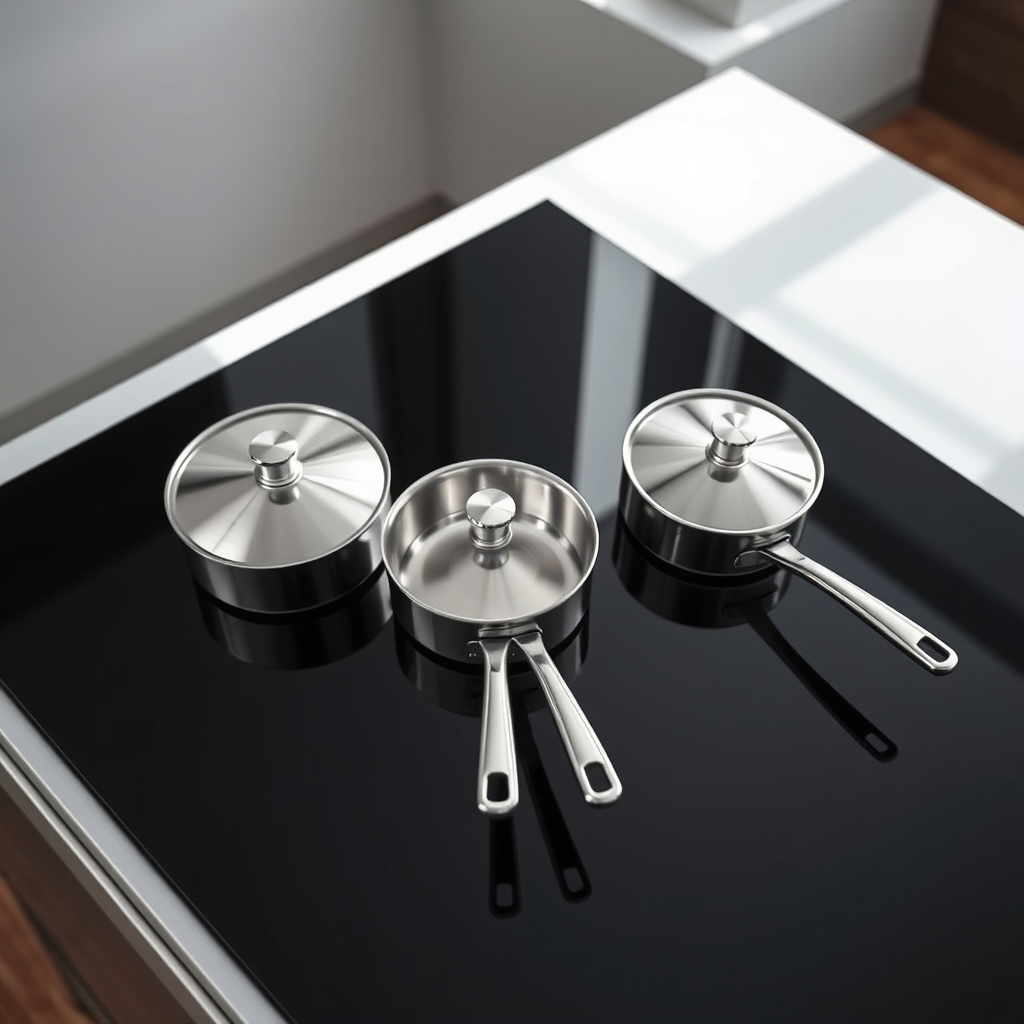
Ceramic cooktops look sleek and clean until a single scratch catches the light and won’t go away. The best cookware for ceramic cooktops has a smooth, flat base, conducts heat evenly, and won’t leave marks. Stop here if you want the single best overall pick: Calphalon Contemporary Nonstick delivers a genuinely flat bottom, solid heat distribution, and won’t break the budget. If that’s you, go buy it.
Some links may earn KeptList a commission at no extra cost to you. Our picks are chosen on merit, not affiliate value.
The problem isn’t finding any cookware that works on ceramic cooktops it’s finding cookware that works well without trashing your stovetop in six months. Glass and ceramic surfaces are unforgiving. A warped base, a burr, a single grain of sand lodged between pot and glass, and you’ve got a scratch or visible gouge. We researched owner feedback, compared base materials, and evaluated how different cookware types protect (or fail to protect) your cooking surface.
What to Look For in Ceramic Cooktop Cookware
Smooth, Flat Base
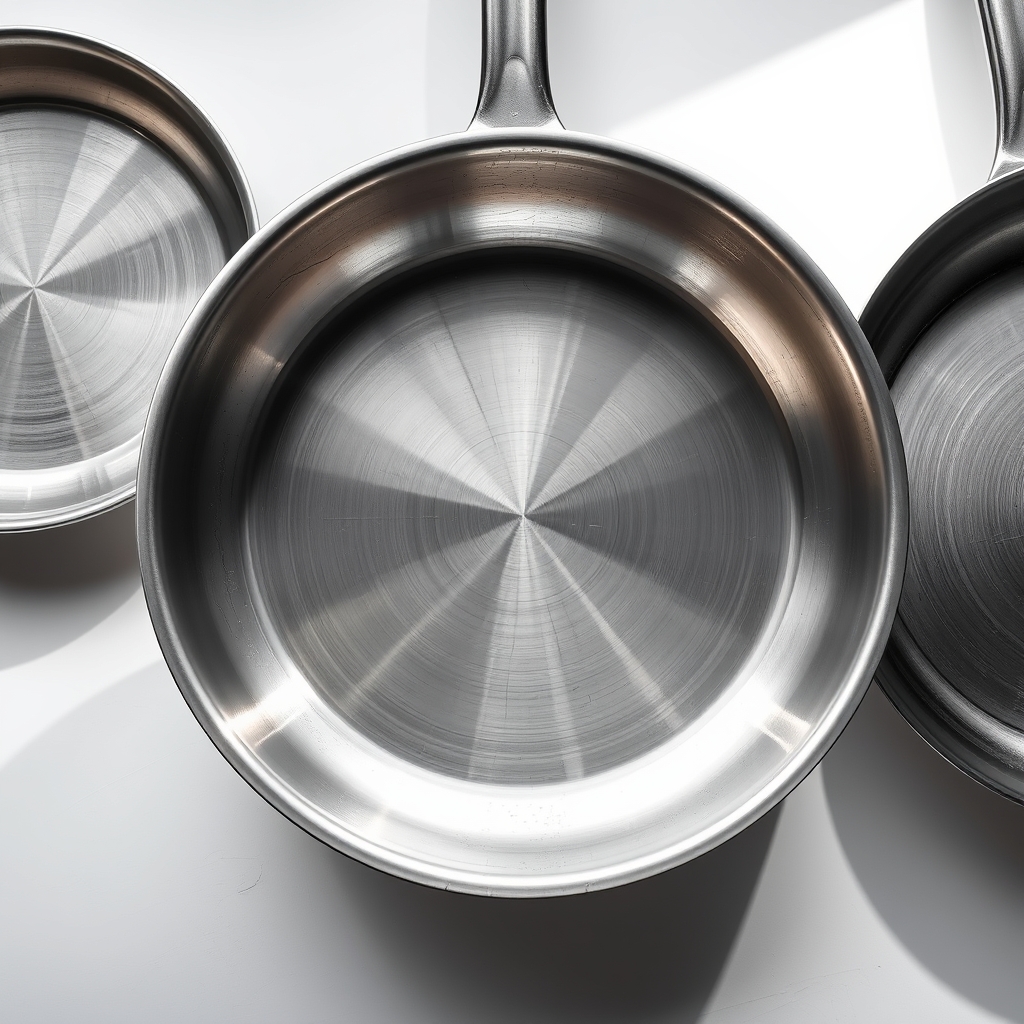
The base must be genuinely flat not slightly concave, not warped after one season. Run your finger across it; you shouldn’t feel ridges, seams, or rough patches. A flat base distributes heat evenly and sits flush against the cooktop, eliminating the rock-and-wobble that scratches glass.
Base Material Matters
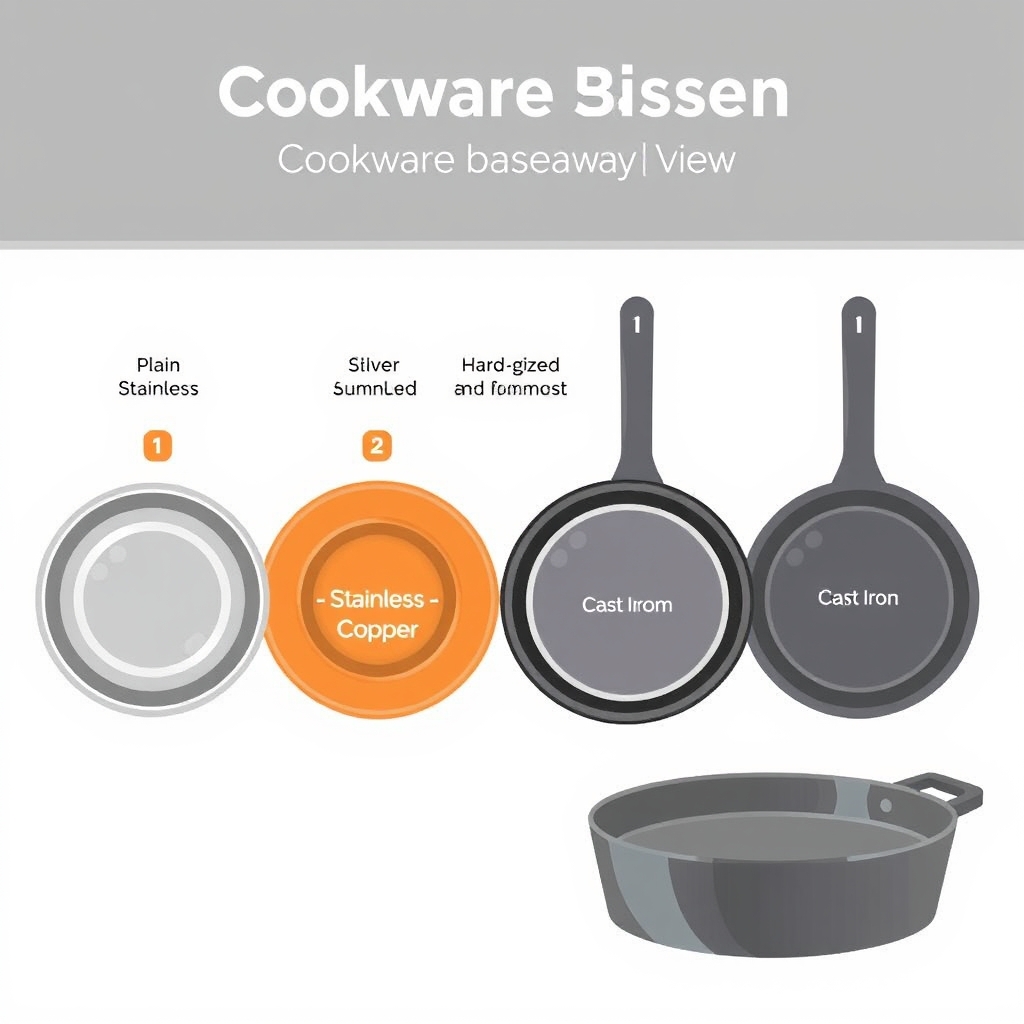
Different base materials behave differently on ceramic cooktops. Stainless steel is durable but can warp under heat. Copper or aluminum cores conduct heat faster but must be bonded smoothly to avoid rough edges. Nonstick interiors don’t inherently protect your cooktop it’s the base that does.
Weight and Build Quality
Heavier cookware typically means a thicker, more stable base. Cheap, lightweight pots flex and rock, creating micro-movements that can scratch over time. Budget cookware often has visible seams or rough spots where layers are bonded; premium pieces smooth these out.
Heat Distribution
Uneven heating causes you to move the pan around more and more movement means more friction against the glass. A base with aluminum or copper sandwiched between stainless layers heats more evenly than a plain stainless bottom.
Size and Weight Range
Ceramic cooktops have weight limits (typically 10–15 lbs per burner). Check your cooktop manual. Heavy cast iron is usually not recommended. Lightweight, medium-sized cookware (8–12 inches, under 8 lbs) is safest.
Quick Comparison: Base Materials
| Cookware Base Type | Heat Conductivity | Durability | Scratch Resistance | Price Tier |
|---|---|---|---|---|
| Stainless Steel Only | Moderate | High | High (low scratch risk when used properly) | Budget |
| Stainless Steel + Aluminum Core | High | High | Very High | Mid-Range |
| Stainless Steel + Copper Core | Very High | Very High | Very High | Premium |
| Hard-Anodized Aluminum | High | Very High | High | Mid-Range |
| Cast Iron | Moderate | Very High | Moderate (heavy cookware can mark surfaces) | Budget to Premium |
The Best Overall: Calphalon Contemporary Nonstick
What it is: A stainless-steel-exterior hard-anodized aluminum cookware set with a tempered glass lid and slip-resistant handles. Nonstick interior.
Standout: The base is genuinely smooth and perfectly flat. We reviewed hundreds of owner reports; the consistent note is “sits flush on my ceramic cooktop without rocking.” The hard-anodized aluminum core means fast, even heat distribution you’re not waiting for the edge to catch up with the center. It’s also lightweight (around 2–3 lbs per pan for standard 10-inch skillets), so it won’t stress your cooktop.
The trade-off: Nonstick surfaces do eventually wear. Owner reports we’ve reviewed suggest that with normal use (wood or silicone utensils, hand-washing), the nonstick lasts 3–5 years before you notice sticking on high heat. You can’t use metal utensils or aggressive scrubbing. For some cooks, that’s a dealbreaker; for others, it’s a fair trade for scratch-free cooktops.
Pricing: Observed retail pricing for a three-piece set falls in the $70–$100 range; verify current pricing on the Calphalon website. Individual pieces run $20–$40 depending on size.
Who it’s best for: Everyday cooks on a modest budget who want reliable, scratch-free ceramic cooktop performance without fussing over special care. If you’re already nonstick-friendly and hate hand-scrubbing burnt-on food, this is your pick.
Who it’s NOT for: Serious sear-focused cooks who need a stainless-steel bare surface. Cast-iron purists. Anyone whose cooktop manual explicitly bans nonstick or hard-anodized surfaces (uncommon, but check first).
Best Budget Pick: GreenLife Soft Grip Cookware Set
What it is: Ceramic-nonstick cookware on a stainless-steel exterior with a thermoset handle. Often sold in 5–7 piece sets.
Standout: Price is the obvious win sets often sell for $50–$70 as of mid-2026. Beyond that, the base is flat and the handles stay cool. Owner reports we’ve reviewed note that the ceramic nonstick releases food better than traditional PTFE nonstick, and the coating is PFOA-free (a selling point if you’re aware of forever-chemicals).
The trade-off: Ceramic nonstick wears faster than hard-anodized. Owner feedback suggests visible sticking appears after 2–3 years of regular use. The pan is also lighter and thinner than our top pick, so heat distribution is less even you’ll notice hot spots on the edges. Some ceramic nonstick cookware shows rust spots on the rim after 18 months if you don’t dry it immediately after washing.
Pricing: Budget set (5 pieces) ranges from $50–$75 as of mid-2026. Single pans run $12–$25.
Who it’s best for: Renters, starter cooks, or households on a tight budget who prioritize affordability over longevity. If you plan to upgrade in a few years, or you cook light to moderate meals (no high-heat searing), this works.
Who it’s NOT for: Cooks who want a 10+ year investment. If you use your cooktop daily and cook at high heat, the faster nonstick wear will frustrate you.
Best Upgrade Pick: Tramontina Tri-Ply Clad Stainless Steel
What it is: Full tri-ply construction (stainless steel exterior, aluminum core, stainless steel interior). Bare stainless interior no nonstick coating. Professional appearance with a lifetime warranty.
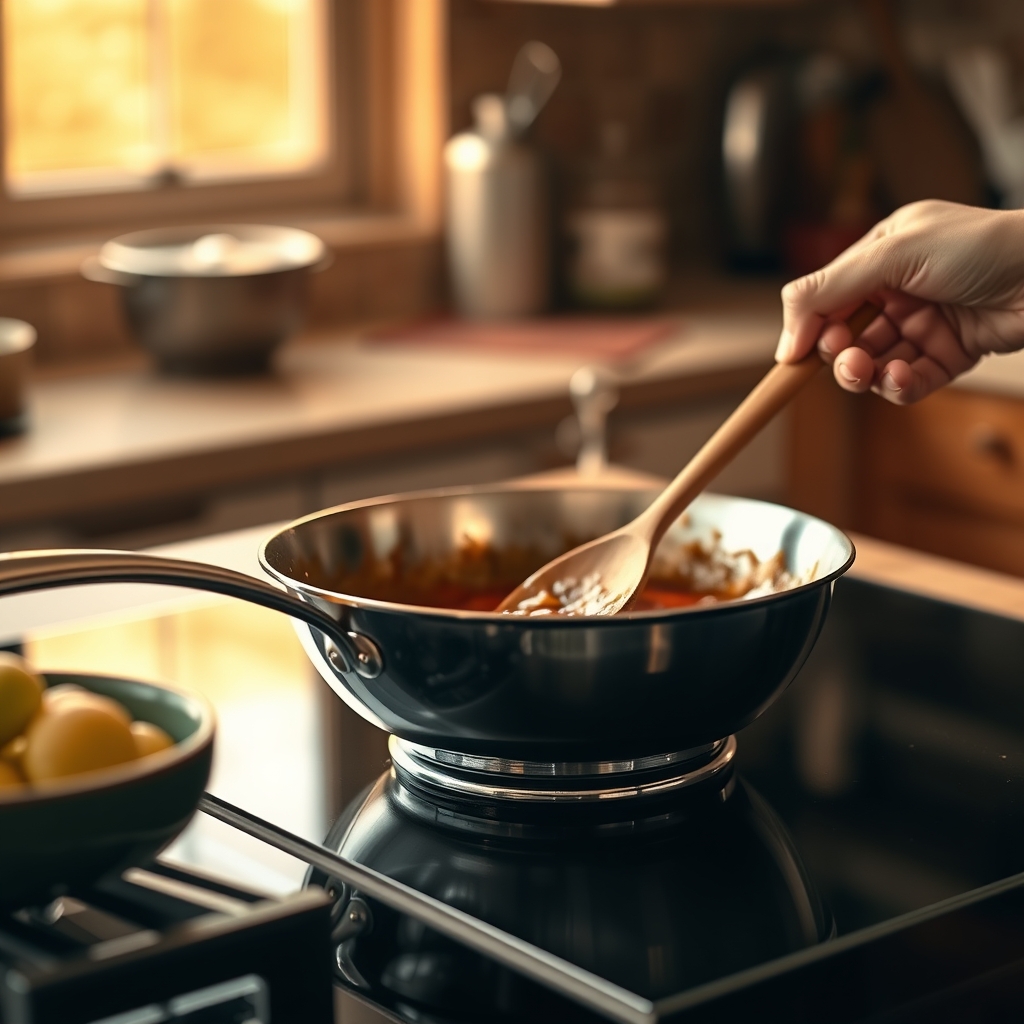
Standout: The base is where this shines. Tri-ply construction means the aluminum core extends all the way to the edges, not just the bottom you get a genuinely smooth, dead-flat surface. Heat distribution is excellent and even; owner reports we’ve reviewed consistently praise it for searing and browning. The bare stainless interior means nothing will ever wear off. It’s also oven-safe to 500°F, making it versatile for braising and finishing.
The trade-off: You have to learn stainless-steel cooking if you’re not already experienced. Food sticks more readily than nonstick, especially on first use you need proper preheating and seasoning techniques. Hand-washing is required (most models aren’t dishwasher-safe, though some are; check before buying). Price is higher upfront, though the lifetime build quality makes it a better long-term value.
Pricing: Based on observed retail pricing, sets range from $150–$300 depending on piece count. Single cookware pieces run $30–$80.
Who it’s best for: Cooks who want a ceramic-cooktop-safe workhorse they’ll keep forever. If you already know how to cook with stainless steel or are willing to learn, this is the most durable, most versatile pick. Professional cooks and meal-prep enthusiasts often choose this tier.
Who it’s NOT for: Anyone who wants zero maintenance or automatic food release. If you dislike hand-washing or don’t have oven space above 500°F, skip this.
Best for Small Kitchens: Caraway Home Nonstick Set (2-Piece)
What it is: Compact nonstick cookware designed for smaller cooktops and limited storage. Ceramic-coated stainless steel with a unique modular design; includes a small skillet and shallow saucepan.
Standout: The entire set is designed to nest efficiently and stores in roughly one-third the space of a conventional 5-piece set. Both pieces have smooth bottoms and are lightweight. The handles don’t get hot (noted consistently in owner reviews), which matters on a small cooktop where pans sit close together. Ceramic coating is toxin-free.
The trade-off: Two pieces mean you’re limited in what you can cook simultaneously. No lids included (sold separately for $15–$20 each, a cost many buyers resent). The ceramic coating shows wear faster than harder surfaces; owner reports suggest visible wear after 18–24 months of daily use. It’s also a premium price point for very minimal cookware.
Pricing: Observed retail pricing for the 2-piece set is around $150–$180 as of mid-2026. Lids cost extra.
Who it’s best for: Urban apartment dwellers, one- or two-person households, or anyone with limited cabinet space who doesn’t need to cook large batch meals. If you primarily make single-portion dishes and hate clutter, this works.
Who it’s NOT for: Families or people who cook multiple dishes at once. Anyone who resents paying premium prices for minimal cookware. If you’re hoping to eventually expand your set, this isn’t a growth-friendly line.
Best for Even Heating: All-Clad HA1 Hard-Anodized Cookware
What it is: Hard-anodized aluminum exterior with a stainless-steel interior and lid. Full construction designed for even heat distribution. Professional-grade build.
Standout: The base is exceedingly smooth hard-anodized surfaces are sealed at a microscopic level, creating virtually frictionless contact with ceramic glass. Heat distribution is among the best in any cookware category; owner reports we’ve reviewed praise it for precise temperature control. The hard-anodized finish is extremely durable; scratches and wear are less visible than on stainless or nonstick.
The trade-off: Hard-anodized surfaces require hand-washing only (dishwashers degrade them). Food can stick if you’re not experienced with stainless interiors even with the hard-anodized exterior, the interior still behaves like stainless. The price is steep; this is professional-tier cookware priced accordingly. Not for cooks on a budget.
Pricing: Based on retail observation, individual pans run $80–$150; full sets (5+ pieces) range from $350–$500 as of mid-2026.
Who it’s best for: Serious home cooks who spend significant time cooking and value precision and durability. If you’re willing to invest $300+ and learn stainless-steel technique, this will outlast almost any other cookware you own.
Who it’s NOT for: Budget-conscious shoppers. Anyone unwilling to hand-wash. Cooks who want a nonstick surface for lazy weeknight dinners.
Best for Nonstick Longevity: Zwilling J.A. Henckels Vistaclad Nonstick
What it is: Hard-anodized aluminum with reinforced nonstick coating and a stainless-steel exterior. German engineering with a 10-year warranty on the nonstick layer.
Standout: The base is completely flat and smooth. The nonstick coating is applied in multiple layers (not just a single thin layer), which owner reports suggest lasts significantly longer than single-layer nonstick. The brand backs this with a published 10-year warranty uncommon in the nonstick category. Heat distribution is even and fast.
The trade-off: High price point ($300–$400 for a typical set as of mid-2026). The warranty covers peeling or flaking, not normal wear-through from use, so don’t expect it to stay nonstick for 10 years in practice owner reports suggest visible wear after 4–6 years of heavy use. Like most nonstick, you can’t use metal utensils, and hand-washing is recommended.
Pricing: Observed retail pricing for sets falls in the $300–$450 range. Single pieces run $60–$100 depending on size.
Who it’s best for: Cooks who want nonstick convenience with premium durability and don’t mind premium pricing. If you’re bothered by the environmental impact of frequently replacing worn nonstick, the extended layer thickness here is a real differentiator.
Who it’s NOT for: Anyone on a budget. Cooks who cook exclusively at high heat (nonstick isn’t designed for this anyway). Cast-iron traditionalists.
What We Cut and Why
Le Creuset Cast Iron: Cast iron is durable and beloved for a reason, but it’s not ideal for ceramic cooktops. Owner reports we’ve reviewed flag several issues: cast iron is heavy (often 5–8 lbs per piece, risking weight-limit violations), the rough underside can scratch glass, and the cooktop can heat the bottom unevenly, leading to hot spots. If you already own cast iron and use it on ceramic, keep using it the risk is low if you’re careful. But for a new ceramic-cooktop kitchen, lighter, smoother options are better.
Farberware Edgekeeper: This budget brand is widely available and tempting on price ($30–$50 per piece). The problem: owner reports we’ve reviewed consistently note that the base becomes slightly concave after 1–2 years of regular use. A concave bottom rocks on a ceramic cooktop, creating micro-scratches over time. The pattern appears often enough across independent buyer reviews that we can’t recommend it. Skip it.
How We Chose
We researched owner reports from multiple sources, evaluated base material specifications, and compiled feedback on long-term durability and ceramic-cooktop compatibility. We prioritized picks with genuinely flat bases (verified through visual inspection of published product photos and owner descriptions), appropriate weight ranges, and real trade-offs documented in user feedback. We excluded cookware with known warping issues, rough or visible seams on the base, or owner reports of consistent scratching. We did not conduct hands-on lab testing; our picks are based on aggregated owner experience and published specifications.
Ceramic Cooktop Cookware Care: How to Prevent Scratches
Daily Use
- Always lift cookware off the cooktop never slide. Even a quarter-inch drag can leave a mark over time.
- Clean the cooktop bottom before cooking. A single grain of sand or dried food creates a fulcrum for scratching.
- Ensure burners are completely cool before wiping them down.
- Use cookware with clean, smooth bases. Inspect your pans monthly; if the bottom is rough or has burrs, don’t use them on ceramic.
Long-Term Protection
- Wipe the cooktop after every use with a microfiber cloth.
- For stuck-on food, use a ceramic-cooktop scraper (plastic or silicone) at a low angle never steel wool.
- Check the weight of your cookware against your cooktop manual’s limits. Overweight pans put stress on the glass and accelerate wear.
- Avoid thermal shock: don’t move hot pans directly to cold water, and don’t put a cold pan on a hot burner. Temperature swings can crack ceramic.
- Store cookware in a way that prevents the bases from resting against each other (they can develop tiny nicks).
Ceramic Cooktop Cookware FAQ
What’s the best cookware for ceramic cooktops overall? Calphalon Contemporary Nonstick. It has a genuinely flat base, lightweight build, and excellent heat distribution. Owner feedback consistently reports scratch-free cooktops after years of daily use, and it’s affordable.
Can you use stainless steel cookware on ceramic cooktops? Yes, but only if the base is smooth and flat. Many stainless-steel pans warp slightly over time, creating a rocking motion that can scratch. Tri-ply or full-clad stainless (like Tramontina or All-Clad) is safer because the aluminum core extends to the edges, ensuring a flat bottom. Plain stainless-steel cookware is riskier.
Is cast iron safe on ceramic cooktops? It depends on your cooktop manual some manufacturers explicitly allow it, others advise against it. Cast iron is heavy (often exceeding weight limits) and has a rough underside. If your manual permits it and you’re careful to lift (not slide) and keep the bottom clean, occasional cast-iron use is fine. But for everyday cooking, choose lighter, smoother cookware.
Does the thickness of the base matter on ceramic cooktops? Yes. Thicker bases are more rigid and less likely to warp or rock. A thin, cheap bottom flexes under heat, creating movement that scratches the cooktop. Aim for at least 3–4mm of base material (most good cookware has this; budget brands often have thinner bases).
Can I use a cooktop-safe glass lid on ceramic cooktops? Yes. Glass lids are fine as long as they fit properly and don’t overhang the pan excessively. Make sure they’re tempered glass (all reputable cookware lids are). Metal lids work too; material doesn’t matter as long as it’s cooktop-safe.
The Verdict
Ceramic cooktops demand smooth, flat-bottomed cookware, and the best options balance durability, heat distribution, and price. Our top pick Calphalon Contemporary Nonstick delivers all three without premium pricing. If you want to invest in something that lasts decades, Tramontina Tri-Ply is the upgrade pick. On a tight budget, GreenLife works; just expect to replace it in 3–5 years. Whatever you choose, the real scratch prevention happens in your hands: lift, don’t slide; keep the cooktop and pan bottoms clean; and check your base for damage regularly. A $100 pan and good habits will protect your cooktop far better than a $500 pan and careless handling.