
Outerknown Sustainable Fashion: Worth It? What We’d Keep and Cut
Outerknown is worth buying from if you care about transparent sourcing and organic materials but only if you accept premium pricing and slower production cycles. Their core strength is traceability, not revolutionary environmental innovation. The brand is really for people who want to know exactly where their cotton comes from and don’t mind paying 40–60% more than fast-fashion alternatives. Skip them if you’re hunting bargain sustainable basics or expect zero environmental compromise.
What Outerknown Actually Makes
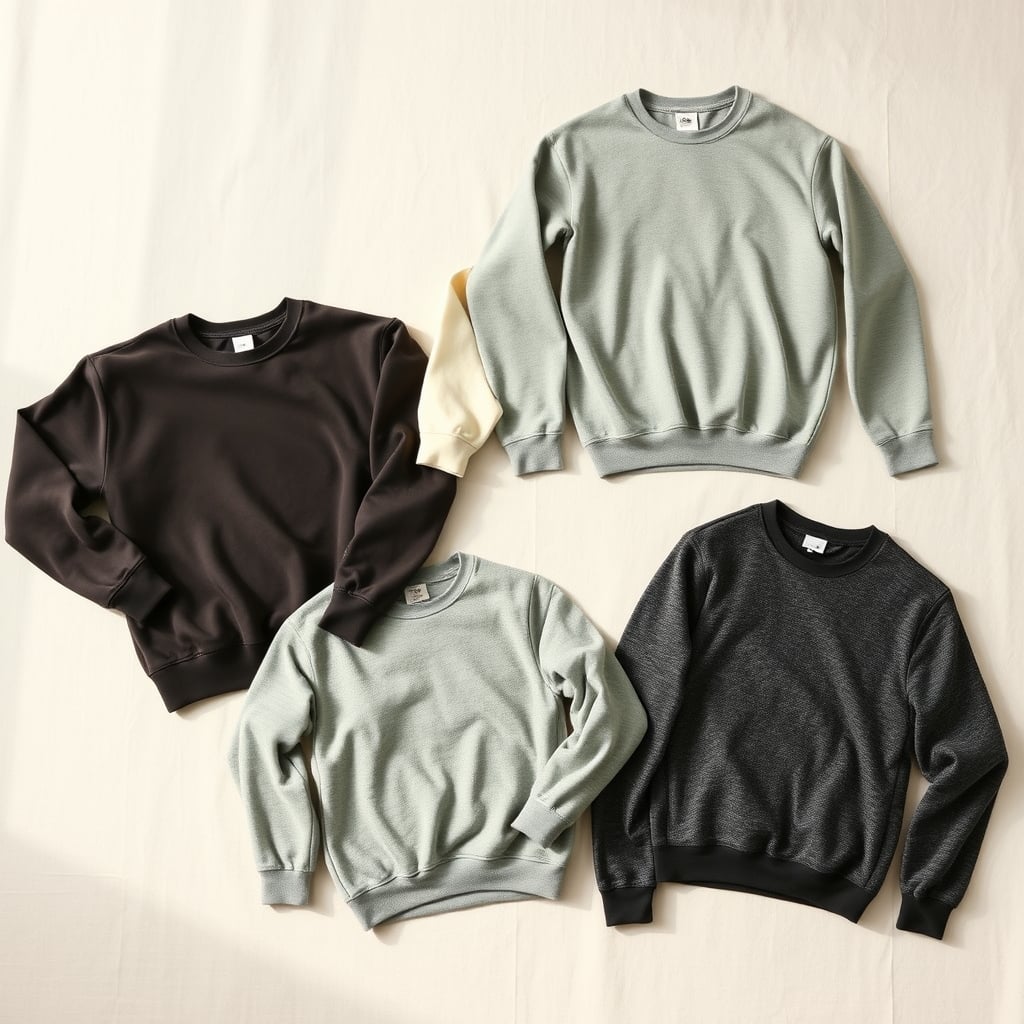
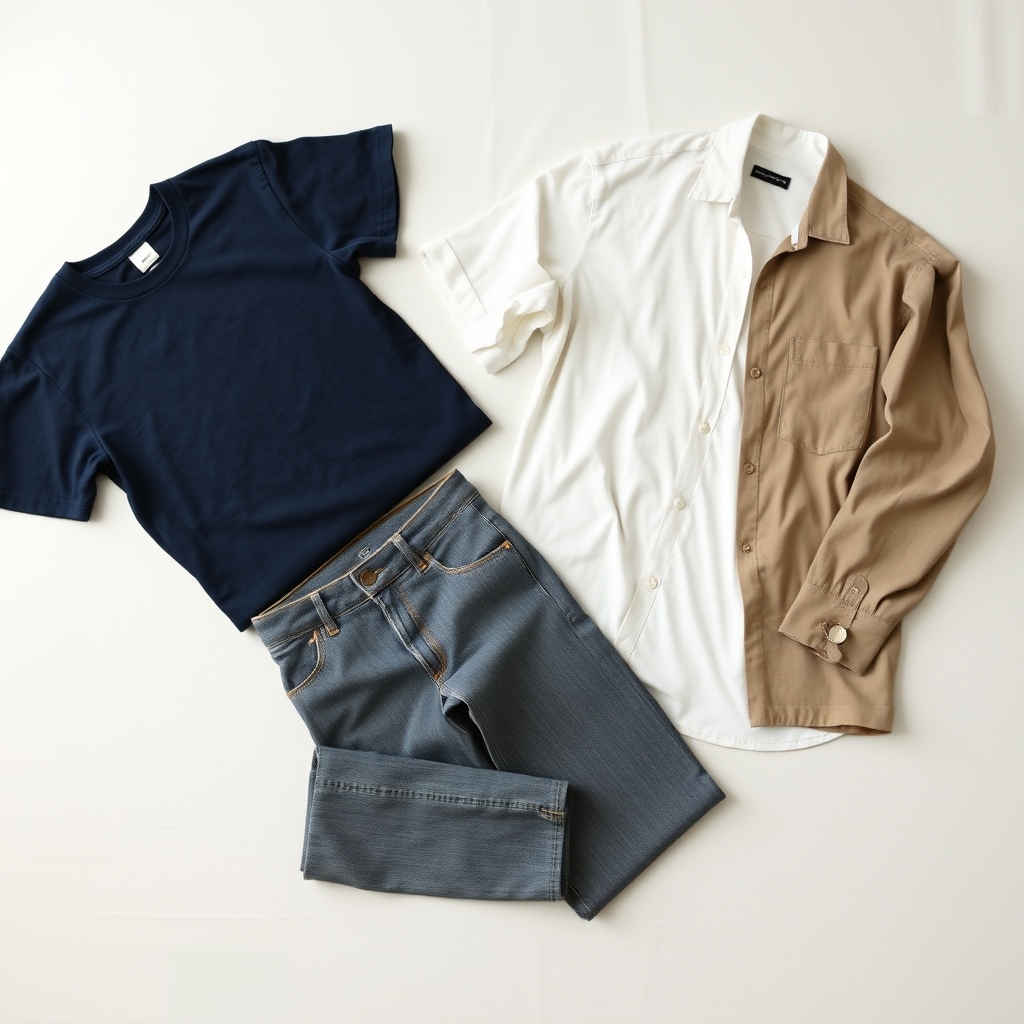
Outerknown produces men’s and women’s basics, tops, and outerwear built around organic cotton and regenerative sourcing principles. Think t-shirts, button-ups, hoodies, jeans, and lightweight jackets—the foundation of a wardrobe, not trend pieces. They’re not a full-line fashion house. The brand targets people who wear the same styles repeatedly and care about who made them.
According to the brand, Outerknown was co-founded in 2015 by musician Jack Johnson with the explicit goal of building a supply chain you could actually trace. That’s their organizing principle, and it shows in both their pricing and their product simplicity. They’re not chasing seasonal drops or Instagram virality; they’re iterating on proven silhouettes and gradually expanding fabric partnerships.
The Brand Story: Transparency as Product
Outerknown’s founding mission, as described on their site, was radical transparency: map the entire supply chain, publish it, and let customers verify it. Whether or not that framing has held perfectly, the documentation is more detailed than most sustainable brands manage.
That translates to real constraints. Outerknown works with a limited number of mills and farms, many in Peru, India, and Portugal. They publish their supply chain on the website, naming specific facilities and their certifications. This isn’t marketing theater it’s a genuine logistical bottleneck. When demand spikes, they can’t just scale production like a conventional brand can. That’s part of why prices stay high and stock runs low.
Their organic cotton is sourced from farms the brand says are certified by GOTS (Global Organic Textile Standard) or equivalent. They also partner with mills the brand describes as certified to GOTS and Fair Trade standards, which means audited labor practices and chemical restrictions. We weren’t able to independently verify current audit status for every listed supplier, but the certifications themselves are real standards with third-party oversight. This narrows the available supply and drives costs up—but it also means the environmental claims are tied to recognized frameworks, not just vague messaging.
Where Outerknown gets real: they’re transparent about what they don’t control. They can’t guarantee zero microfiber shedding from their synthetics (used in some blends and zippers). They acknowledge that organic cotton still uses water and land, even if it avoids synthetic pesticides. This intellectual honesty is rare in the sustainable fashion space and makes their claims more credible, not less.
What We’d Keep: Their Strongest Products
Organic Cotton T-Shirts and Basics
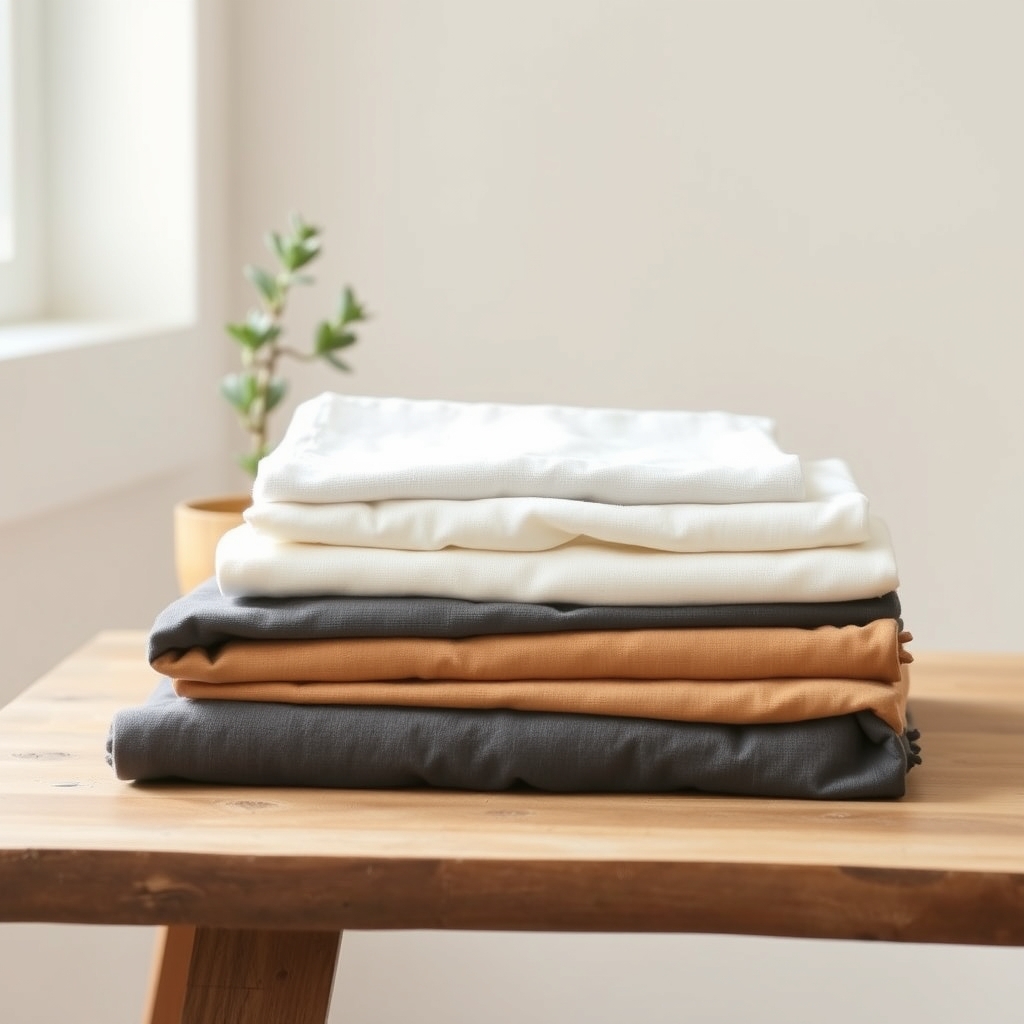
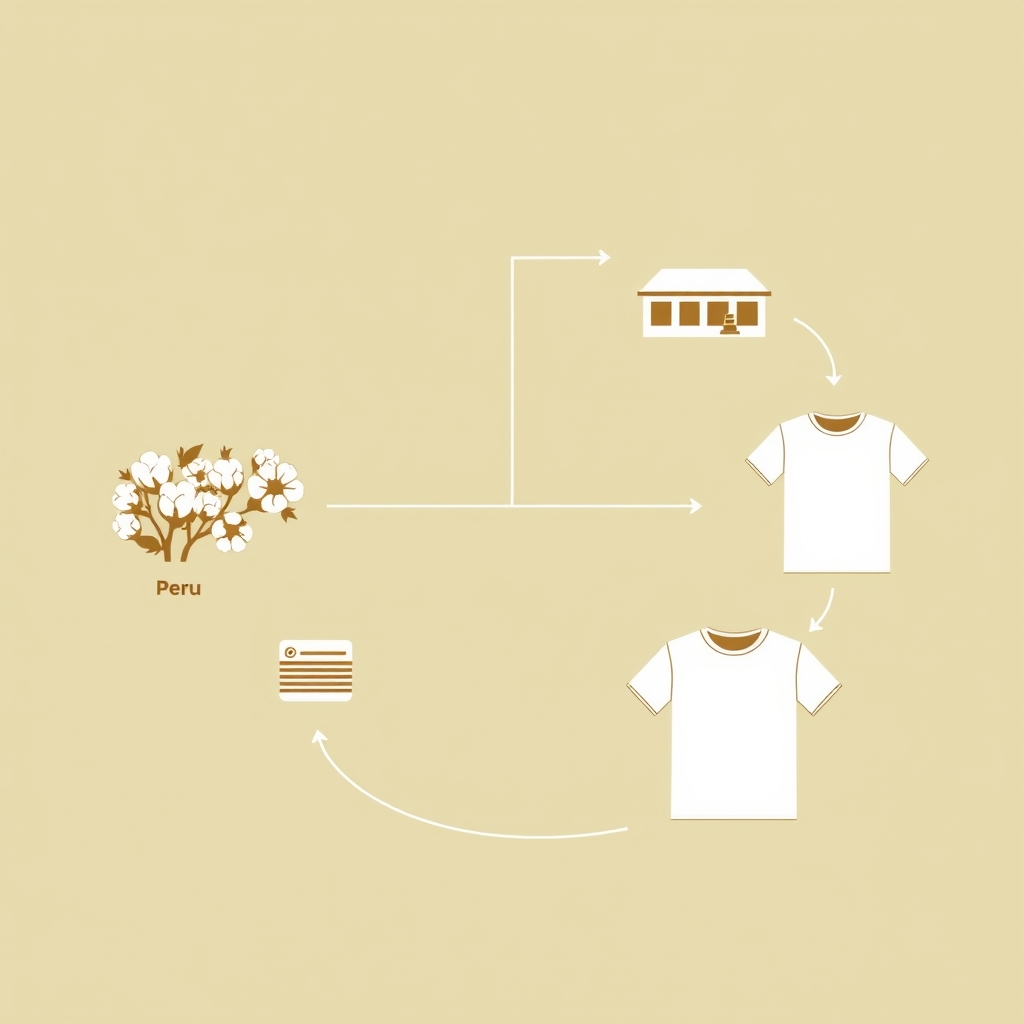
Kept. The plain crew-neck tees and long-sleeves are the core of what Outerknown does well. The fabric weight is solid not gossamer, not heavyand owner reports consistently mention that it feels substantial from the first wash. Based on owner reviews and community discussion, the same style worn over years shows minimal fading, though neckline stretch is a recurring minor complaint (expected on unstructured tees across most brands). The real value here is the supply-chain documentation. You can see the farm in Peru where the cotton grew and the mills that processed it. If you care about traceability more than cutting-edge design, this justifies the premium.
Who it’s for: minimalists who rotate the same five basics and want to know the story behind them.
Who it’s not: people who want variety, color options, or logo-free simplicity (Outerknown branding is subtle but present).
5-Pocket Organic Jeans
Kept. These sit in the middle ground: cleaner design than most “heritage” jeans, less precious than designer denim, and built from regenerative organic cotton. The fit is straight and unforgiving at first—they don’t have the give of stretch blends—but owner feedback suggests they break in reasonably fast. The stitching and finishing suggest longevity, though durability over years is something only long-term owners can confirm. Again, you’re paying for the supply-chain documentation and the organic-only approach. Non-organic jeans are cheaper everywhere; the gap here is real.
Who it’s for: people building a capsule wardrobe and willing to accept a stiffer initial fit.
Who it’s not: anyone who needs four-way stretch or expects instant comfort.
Lightweight Jackets and Overshirts
Kept. Outerknown’s overshirts and lightweight jackets hit a niche well: they’re not technical gear, not heavy outerwear, but solid mid-layer pieces for mild seasons. The organic cotton construction and minimal hardware feel refined without being fussy. These work well for layering in spring or fall and travel because they pack down. The limited color palette (usually neutrals) is actually a feature if you already own basics in matching tones.
Who it’s for: travel-focused minimalists and capsule-wardrobe builders.
Who it’s not: people who want bold colors, pockets designed for gear, or technical weather protection.
What We’d Cut: Overpriced or Weak Offerings
Premium Accessories and Limited Collaborations
Cut. Outerknown occasionally releases accessories (belts, small leather goods, hats) and limited drops with partner brands. These pieces trade on the Outerknown supply-chain story but often lack the thoughtfulness of the core basics. A $140 organic cotton cap doesn’t offer 2–3x the utility of a $50 alternative, and the environmental premium feels thinner here. The limited collaborations often skew toward hype and away from the brand’s transparency mission. Skip these unless you’re buying into the brand mascot effect, not the actual product.
Performance or Technical Lines (Inconsistent Quality)
Cut. Outerknown has tested performance-oriented pieces moisture-wicking layers, swim trunks—that don’t match the quality bar of their basics. The fabrics feel less refined, and the certifications become murkier because technical performance often conflicts with simple, organic materials. If you need genuine technical gear, Patagonia, Allbirds, or Girlfriend Collective have more consistent offerings in this space. Outerknown is better off as a basics brand.
Price, Value, and How They Stack Against Competitors
Outerknown prices roughly 40–60% above conventional basics and in line with or slightly below Patagonia, depending on the piece. A basic organic cotton tee from Outerknown runs $40–55; a comparable Patagonia tee is similar; fast-fashion basics run $15–25. That gap is real and worth naming.
Here’s the value proposition: you’re paying for supply-chain transparency and organic certification. You’re not paying for brand cachet, celebrity association, or technical innovation. If those things matter to you, the premium makes sense. If you’re primarily motivated by lowest-cost sustainability, a Reformation basics piece or a Patagonia sale item will feel like better value.
Based on secondhand listings we’ve observed, Outerknown pieces appear to retain roughly 50–65% of original price on resale platforms—solid for apparel, though resale markets fluctuate and your mileage will vary. That pattern suggests both durability and latent demand from people who want the brand but missed the original purchase.
Return policies are standard (30 days, free returns in the US), and Outerknown offers a limited warranty on defects. Based on community feedback, customer service responds thoughtfully to quality issues, though turnaround can be slow (1–2 weeks). They’re not optimized for speed; they’re optimized for doing things right.
Supply Chain Transparency: What We Actually Get
Outerknown publishes a “Supply Chain” page where you can see partner mills and farms. The documentation is more extensive than most sustainable brands, but it’s not a live, item-by-item audit. You can verify that a supplier is GOTS-certified or Fair Trade-audited, but you can’t drill down to see the exact wages paid or current labor conditions at every facility. It’s transparency relative to the industry norm, not absolute transparency.
The brand says it has been audited by third parties and has published results in the past, though detailed recent audit data isn’t consistently available on the public-facing site as of mid-2026. This is good practice but not as rigorous as, say, Allbirds’ detailed carbon accounting or Patagonia’s lengthy audit reports. Outerknown is honest about these limits in their FAQ, which is refreshing.
Organic cotton certification means no synthetic pesticides, reduced chemical use in processing, and often (through GOTS) labor standards. It does not mean zero environmental impact—organic cotton still requires water and land and generates some waste. Outerknown doesn’t oversell this, which is a green flag.
Outerknown vs. Key Competitors
Patagonia: Larger product range, more technical innovation, and stronger brand heritage. Patagonia also publishes detailed supply-chain audits and has gone further on regenerative practices. However, Patagonia is not always organic-only for basics, and they price similarly to Outerknown on comparable items. If you want more product variety and technical gear alongside basics, Patagonia is the better choice. Outerknown wins on simplicity and purity of mission (organic-only cotton basics).
Reformation: Similar price point, broader style range, and also heavy on marketing. Reformation has stronger design and trend awareness but less transparent sourcing in practice their supply-chain documentation is less detailed than Outerknown’s. Reformation is better if you want updated styles; Outerknown is better if you want pure traceability.
Allbirds: Lower price point ($40–60 for basics), strong sustainability marketing, but different materials (wool, sugarcane-based synthetics) rather than organic cotton focus. Allbirds is a better budget choice if you’re neutral on materials; Outerknown is better if organic cotton is your priority.
Fast-Fashion Sustainable Lines (Everlane, etc.): Cheaper but far less rigorous on sourcing. Everlane publishes some supplier data but doesn’t require third-party certification. If price is the main constraint, these work; if you genuinely want certified sourcing, they don’t.
Sizing, Fit, and Practical Wear
Outerknown sizing runs true to US standards on most pieces, though the fit is intentionally unfussy—no tapered legs, no fitted hems. This is a feature if you like simple, repeatable fits; a drawback if you prefer more silhouette variety. Their online sizing guide is detailed and includes fit notes by style.
Owner reports suggest the basics wear well and age gracefully. Colors fade at a normal rate (noticeable after 20+ washes, not dramatic). Stitching on seams is consistently noted as a strength, and hem integrity holds through normal wear. Washing cold and drying flat is the recommended care path and likely helps longevity.
One honest caveat: Outerknown’s limited product range means you’ll repeat outfits more than with a larger wardrobe. That’s intentional and liberating if you embrace it; it’s limiting if you like novelty.
Environmental Impact: Real vs. Claimed
Outerknown’s core claim is that organic cotton eliminates synthetic pesticides and supports soil health. This is verifiable through GOTS certification. The environmental benefit is real but not revolutionary organic cotton is still land- and water-intensive. The brand doesn’t claim otherwise, which is credible.
Their secondary claim is that supply-chain transparency prevents overproduction and supports fair labor. This is harder to measure but plausible. By controlling production scale and working with fewer partners, Outerknown likely generates less waste and overstock than fast-fashion alternatives. Again, not proven but coherent.
Where the brand’s impact is clearest: they’ve built a template for supply-chain documentation that other brands reference. Whether or not you buy from them, Outerknown’s transparency practice has raised the bar for what consumers can expect. That’s a real contribution.
The biggest environmental win is the one Outerknown doesn’t advertise much: durability and capsule-wardrobe design. If you buy five basics from Outerknown and wear them for five years instead of buying 20 trend pieces from fast fashion, the environmental math shifts dramatically. That’s the real story, and it depends entirely on how you use the clothes, not just how they’re made.
Pricing Reality: Is the Premium Justified?
Yes, conditionally. Here’s the breakdown:
- Organic certification + audited sourcing: roughly +20% over conventional basics
- Limited production scale + supply-chain rigor: roughly +15–20% more
- Brand positioning and retail overhead: roughly +10–15%
So $50 for an Outerknown tee vs. $20 for a fast-fashion equivalent breaks down roughly as: $20 (conventional base cost) + $10 (organic premium) + $10 (supply-chain rigor) + $10 (brand). These are our rough heuristics for explaining the gap, not published cost-accounting figures. If you care about the first two factors, the premium is justified. If you’re ambivalent on sourcing, it’s not.
The brand does occasionally run sales (20–30% off), but not aggressively. They’re not optimized for discount retail, which means full price is the expected norm.
FAQ: Common Questions About Outerknown
Is Outerknown actually sustainable, or is it greenwashing?
It’s genuinely sustainable relative to industry norms, but not perfect. The organic cotton, third-party certifications, and supply-chain transparency are real frameworks with actual standards attached. The limitations—water use, land use, imperfect traceability are also real and acknowledged by the brand. It’s credible sustainability, not greenwashing, but also not zero-impact fashion (which doesn’t exist).
Is Outerknown worth the money compared to Patagonia or Reformation?
It depends on what you prioritize. Choose Outerknown if you want organic-only basics and maximum supply-chain documentation. Choose Patagonia if you need technical gear and broader product range. Choose Reformation if you want trend-aware design. All three are legitimate; the “best” depends on your actual needs.
Is Outerknown legit?
Yes. Outerknown is a real brand with documented supplier relationships, recognized third-party certifications (GOTS, Fair Trade), and a publicly accessible supply-chain page. It is not a dropship operation or a white-label reseller. The brand claims are hedged appropriately—we recommend verifying current certifications directly on their site before purchasing.
Does Outerknown run small or large?
True to size in most cases. The fit is intentionally simple and roomy, not fitted. Check the online size guide before ordering, especially for international shipping.
What’s Outerknown’s return policy?
30-day returns from the date of purchase, free returns in the US, and standard international return shipping costs apply. Resale through secondhand platforms is also common and straightforward.
Can you actually verify the supply-chain claims online?
Yes, to a point. You can see certified suppliers and certifications on the public-facing Supply Chain page. You can’t verify real-time labor conditions or get item-level traceability. It’s more transparent than most brands but not total transparency.
Does Outerknown offer kids’ or plus-size ranges?
Not consistently. Product range is limited and focused on core adult sizing. This is a real gap if you’re shopping for extended sizes or children.