
What Is Sustainable Fashion, and Why Does It Matter?
Sustainable fashion means buying clothing made from eco-friendly materials, produced under fair labor conditions, and designed to last. It’s the opposite of fast fashion the throwaway model that relies on cheap labor, synthetic fabrics, and trend-chasing.
The textile industry is responsible for significant water consumption, chemical pollution, and carbon emissions. When you shift toward sustainable choices, you’re reducing demand for exploitative production and choosing garments built to stay in your closet for years, not weeks.
You don’t need to overhaul your entire wardrobe overnight. Start by understanding the materials, learning which brands align with your values, and adopting one sustainable shopping habit at a time.
Understanding Eco-Friendly Fabrics: What Actually Works
Not all “natural” fibers are sustainable, and not all synthetic ones are harmful. The difference lies in how the material is grown, processed, and dyed.
Natural Plant Fibers
Organic Cotton Grown without synthetic pesticides or fertilizers, organic cotton reduces chemical runoff and is gentler on farmworkers’ health. It requires less water than conventional cotton when managed well. In our research, organic cotton typically runs 10–20% more than conventional at retail, though the gap varies by brand and certification tier.
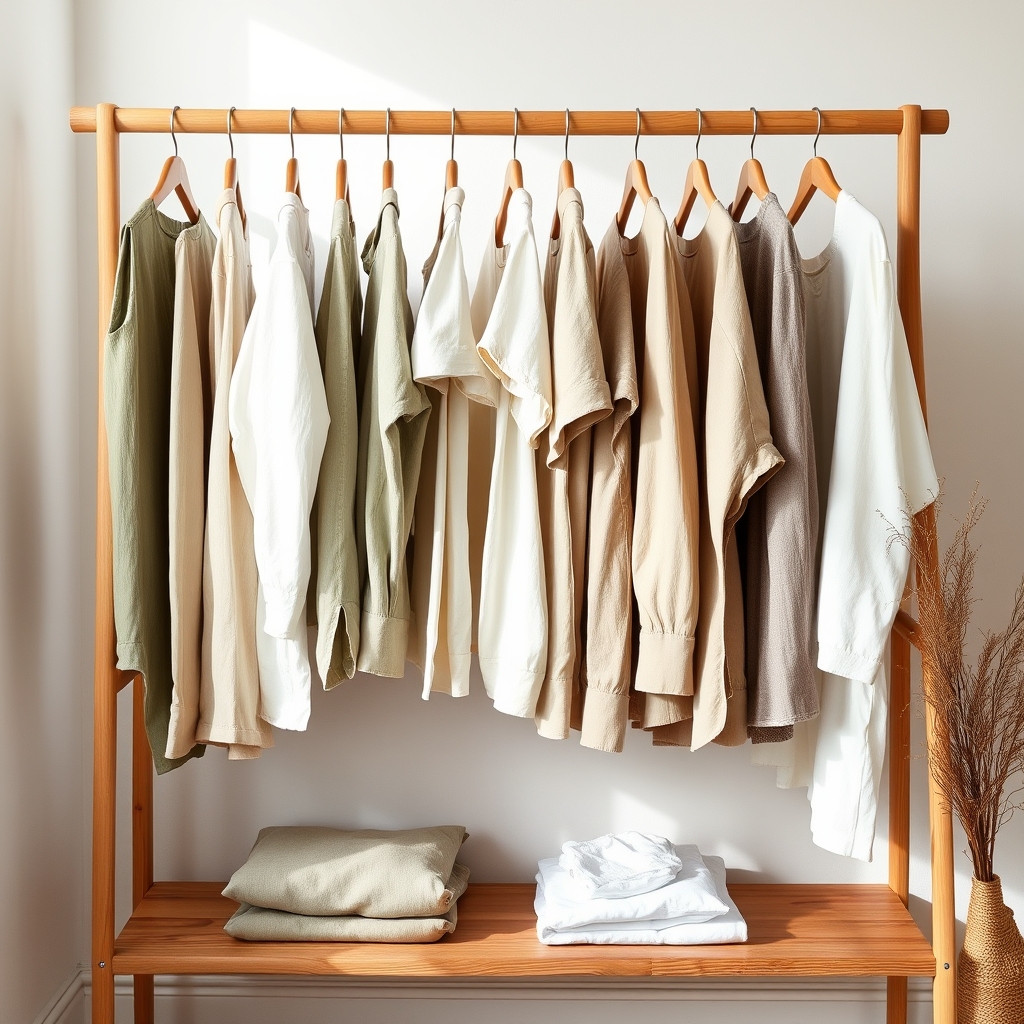
Linen Made from flax plants, linen is durable, breathable, and biodegradable. Flax grows in poor soil and needs minimal pesticides. Linen wrinkles easily that’s not a flaw, it’s character and actually softens with washing.
Hemp One of the most durable plant fibers, hemp requires almost no chemical inputs and regenerates soil. It’s tougher than cotton and lasts longer. Hemp fabric is stiff at first but softens dramatically after a few washes.
Recycled & Regenerated Synthetics
Recycled Polyester Made from plastic bottles or discarded textiles, recycled polyester diverts waste from landfills and uses less energy than virgin polyester. It’s not perfect washing it sheds microplastics but it’s a step forward for everyday wear.
Tencel (Lyocell) A regenerated fiber made from sustainably managed wood pulp, Tencel is soft like silk and uses a closed-loop production process that recovers the vast majority of its solvents. It’s biodegradable and feels luxurious.
Deadstock & Vintage Fabrics When designers use leftover fabric from previous seasons, you get quality material with zero new waste. Buying vintage clothing means the environmental cost was already paid decades ago.
What to Avoid (or Minimize)
Virgin polyester, acrylic, and nylon are petroleum-based and shed microplastics in the wash. They’re cheap, which is why fast fashion relies on them not because they’re better.
Conventional cotton is grown with heavy pesticide use, which harms farmworkers and contaminates soil. Avoid unless the label specifically says “organic.”
Viscose (rayon) comes from wood pulp but often uses harsh chemical processing in open-loop systems that pollute waterways. Tencel is the greener alternative.
How to Identify Ethical Brands: Reading Beyond the Label
Look for three signals: material transparency, fair wages, and third-party certification. Greenwashing making false sustainability claims is rampant, so verify before you buy.
Key Certifications to Trust
- Fair Trade Certified: Guarantees fair wages and safe working conditions.
- GOTS (Global Organic Textile Standard): Confirms organic fiber and responsible production.
- B Corp Certified: Audited for social and environmental performance; requires ongoing compliance.
- EU Ecolabel: Strict standards for environmental impact across the product lifecycle.
Questions to Ask Before Buying
- Where is this made, and does the brand name the factory?
- What is the fabric, and is it certified organic, recycled, or responsibly sourced?
- Does the brand publish a transparency or impact report?
- Are wages verified, or is there third-party auditing?
Brands that dodge these questions or use vague language like “eco-friendly” without specifics are not worth your money.
10 Ethical Brands at Different Price Points
Here are established brands across the price spectrum, selected for transparent sourcing and fair labor practices. Prices reflect typical retail as of June 2026; individual pieces vary.
Budget-Friendly (roughly $20–$60 per piece)
- Everlane- publishes factory information and price breakdowns; uses organic and recycled materials.
- H&M Conscious- H&M’s sustainability line; certified organic cotton and recycled polyester blends.
- ASOS Design- offers a “responsible edit” with GOTS-certified and Tencel pieces at accessible prices.
Mid-Range (roughly $60–$150 per piece)
- Patagonia- legendary for labor practices and environmental commitment; repairs gear for life.
- Reformation- sustainable fabrics, carbon-neutral shipping, publishes environmental footprint per garment.
- Organic Basics- minimalist basics in certified organic materials; transparent pricing and supply chain.
- Veja- fair-trade sneakers made with sustainable rubber and organic cotton; earned B Corp status.
Investment Pieces (roughly $150–$400+)
- Stella McCartney- luxury sustainable fashion; zero animal products, innovative eco-fabrics, Fair Trade cotton.
- Outerknown Jack Johnson’s brand; uses sustainable materials, transparent supply chain, 1% for the Planet member.
This list is not exhaustive thousands of ethical brands exist. Use the certification checklist above to vet others.
The Capsule Wardrobe Approach: Buying Less, Wearing More
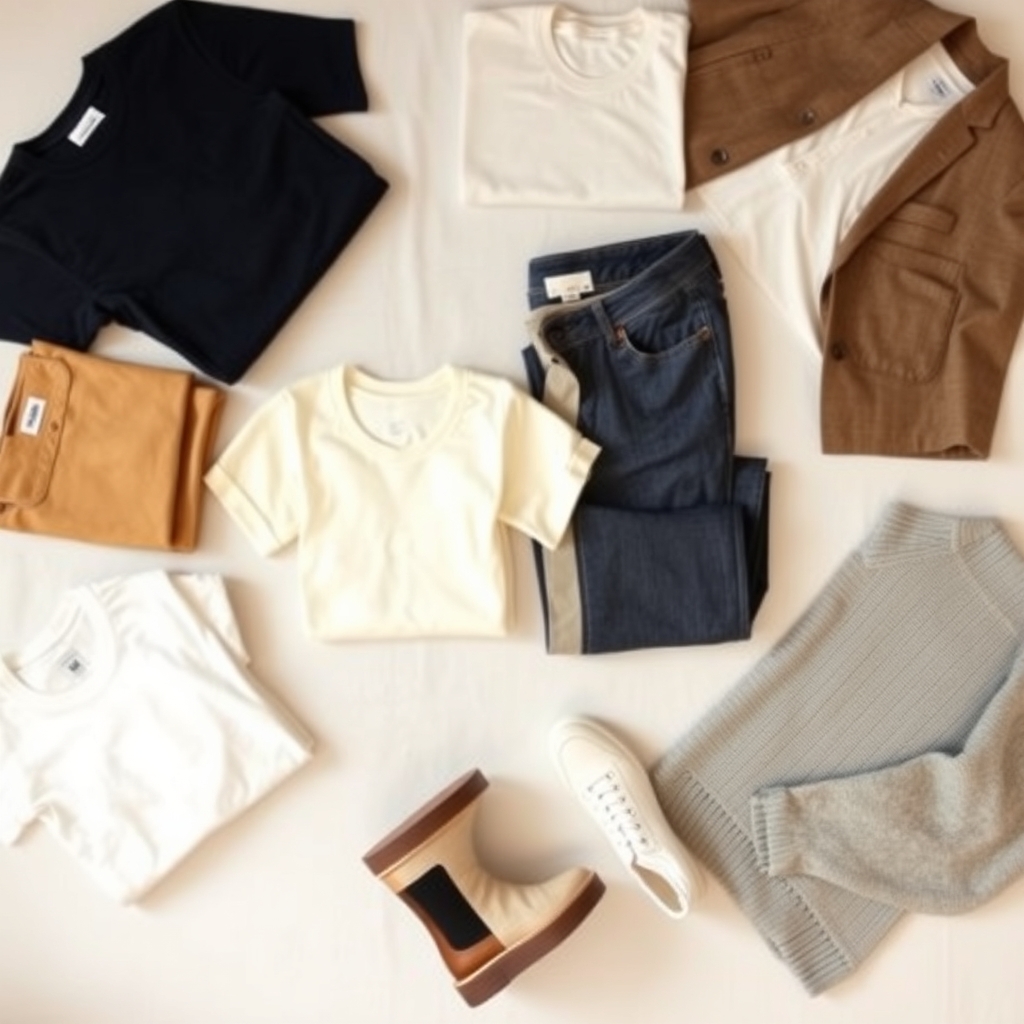
A capsule wardrobe is a collection of versatile, quality pieces commonly cited as 30–50 items that mix and match to create dozens of outfits. The exact number is a guideline, not a rule; what matters is that every piece earns its place. This is the antidote to fast fashion and the most practical way to dress sustainably.
The principle is simple: fewer items, higher quality, longer lifespan.
Essential Capsule Basics (Print & Save This Checklist)
Neutral Tops
- 2–3 white or cream basic t-shirts (organic cotton)
- 1 long-sleeve white shirt (linen or cotton blend)
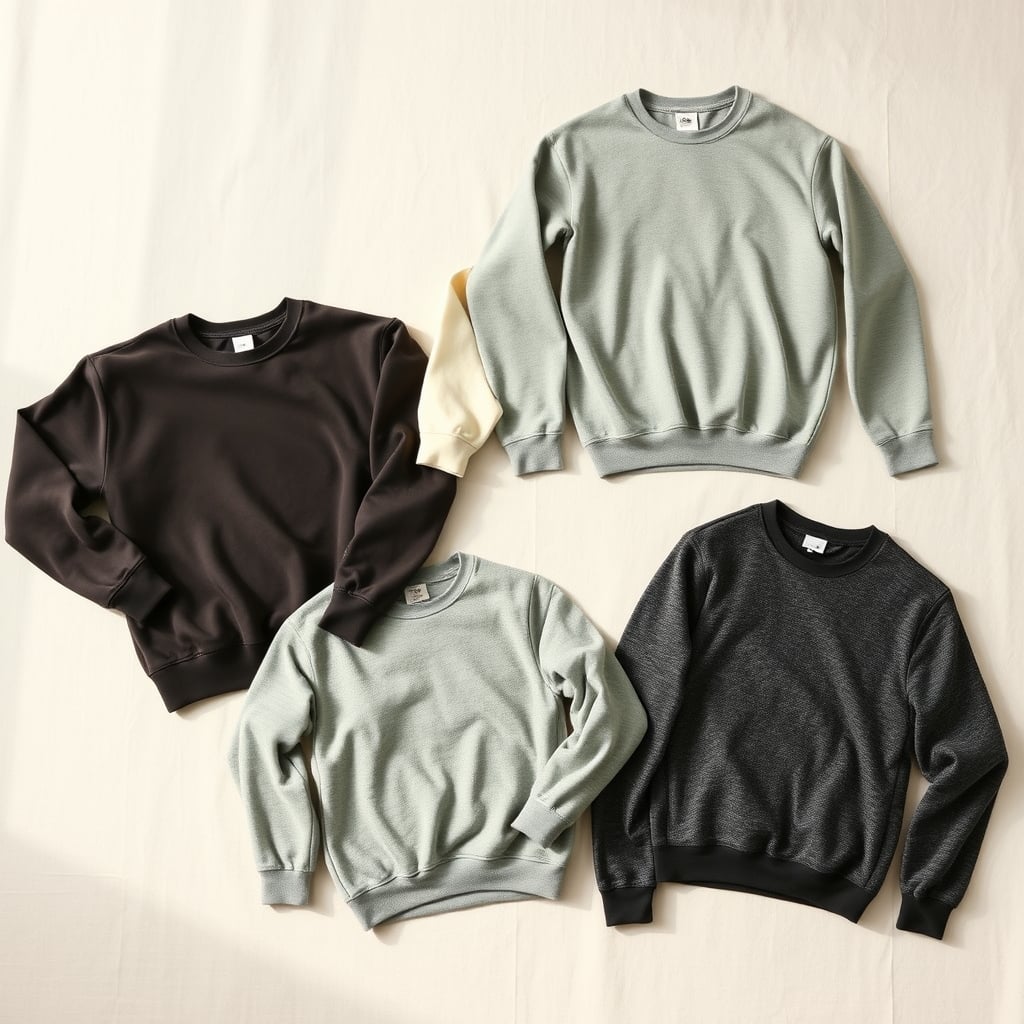
- 1 sweater (wool or recycled knit)
Layering
- 1 denim jacket or canvas jacket
- 1 cardigan (neutral, quality)
- 1 structured blazer
Bottoms
- 2 pairs of well-fitting jeans (durable denim, ideally deadstock or vintage)
- 1 pair of neutral trousers
- 1 pair of casual shorts
Dresses/Skirts (optional based on your style)
- 1 simple midi dress
- 1 maxi skirt or mini skirt
Outerwear
- 1 winter coat (if you live in a cold climate)
- 1 lightweight jacket or overshirt
Shoes (aim for quality, multipurpose pairs)
- 1 white sneaker or trainer
- 1 flat (loafer or ballet flat)
- 1 boot (leather or vegan alternative, well-made)
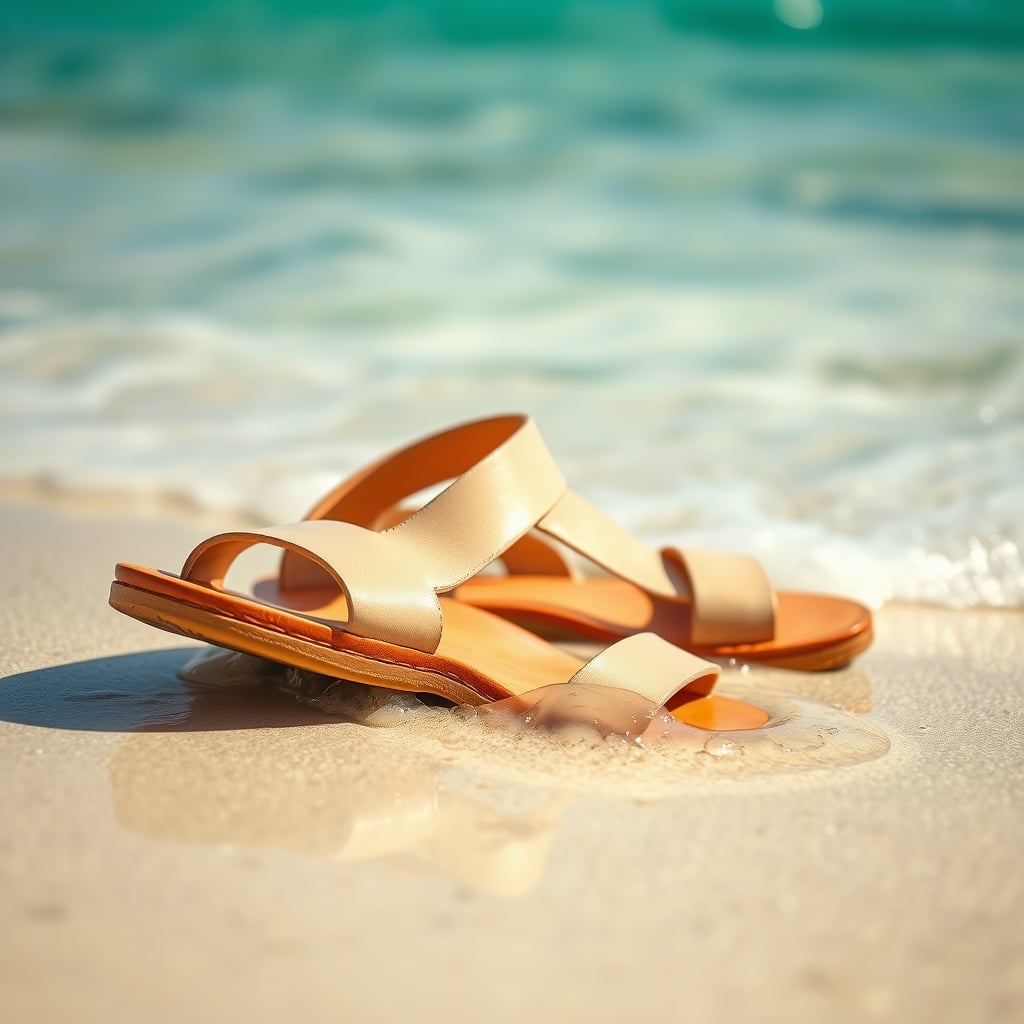
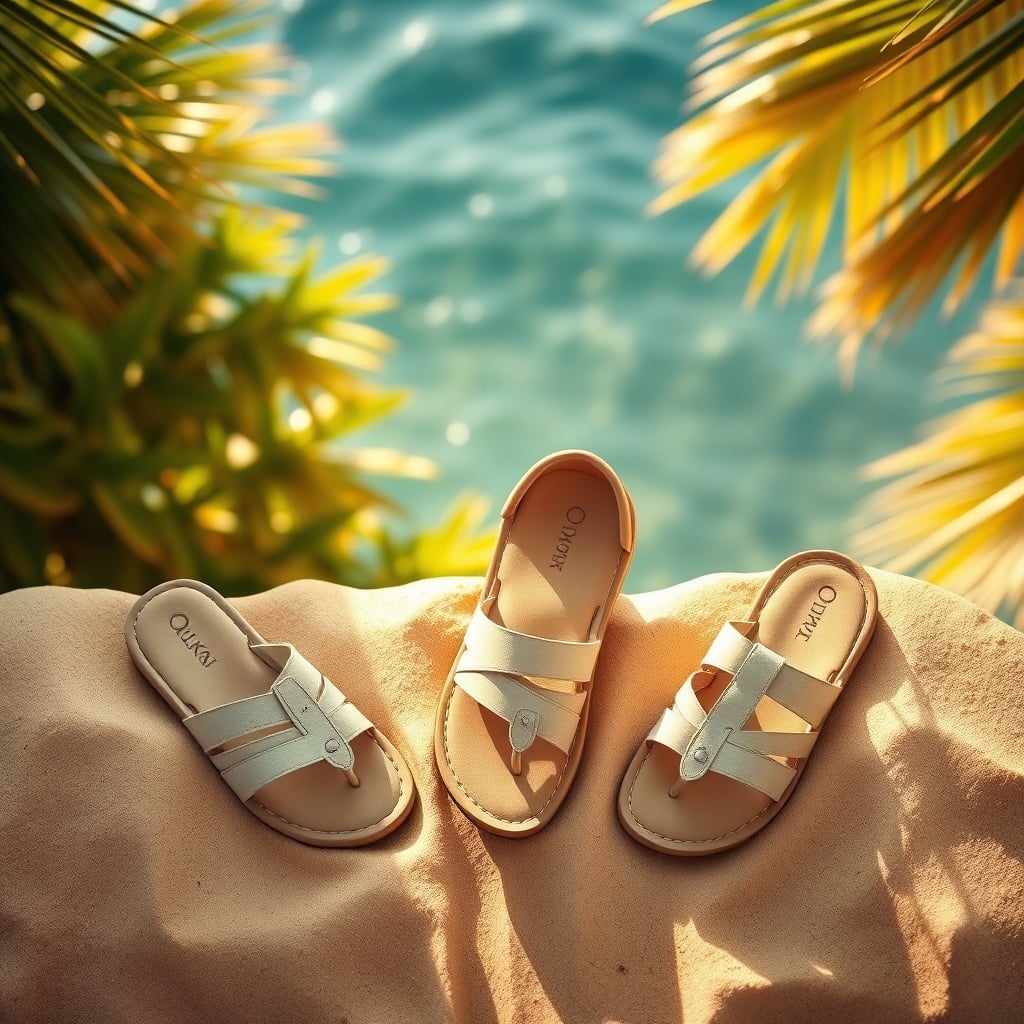
- 1 sandal (optional)
Basics & Intimates
- 5–7 pairs of underwear
- 3 bras (comfort matters; invest here)
- Socks (neutral colors only)
Extras
- 1–2 vintage or thrifted statement pieces (jackets, prints, color pops)
- 1 neutral sweater dress
- 1 pair of patterned or colored trousers
Why this works: Every top pairs with every bottom. You repeat outfits (and that’s okay you’re not on a reality show). You’re not overwhelmed by choice. And you can actually spot gaps instead of blindly accumulating.
Shopping Secondhand: The Easiest Sustainable Win
Buying used clothing is the most eco-friendly option available the environmental cost was already paid, and you’re extending a garment’s life by years. Secondhand shopping also builds character into your wardrobe.
Where to Shop
- Depop- peer-to-peer marketplace, good for vintage and trendy finds; beware shipping costs.
- Vestiaire Collective- curated luxury resale, mostly European sellers, authentication available.
- The RealReal- authenticated designer consignment; higher price point but reliable.
- Poshmark- mobile-first, works well for brands; large community, quick shipping.
- Local thrift stores- Goodwill, Salvation Army, local consignment shops; cheapest option, treasure-hunt vibe.
- Facebook Marketplace- free shipping if you pick up locally; negotiate prices, meet in a safe space.
How to Shop Secondhand Smart
Know your measurements. Online secondhand is a gamble always check the garment’s measurements, not just the size. Sizes vary wildly across decades and brands.
Inspect the photos. Look for stains, pilling, seam wear, and zipper condition. Ask the seller for close-ups of problem areas. If the listing has only one vague photo, ask for more.
Check the fabric blend. Read the tag description. Synthetic blends hold color better in secondhand pieces; 100% natural fibers can fade or pill more noticeably.
Calculate the real cost. Factor in shipping and alterations. A $15 dress with $8 shipping and a $20 hem is really $43. Compare to buying new sustainably.
Return policies matter. Depop and The RealReal have buyer protection; local thrift doesn’t. Know what you’re getting into.
Making Your Clothes Last: Care & Maintenance
How you wash, dry, and store clothes matters as much as where you buy them. Proper care adds years to a garment’s life and reduces the need to replace it.
Washing
- Turn clothes inside out before washing to reduce fading and pilling.
- Wash in cold water (saves energy, reduces fading, protects elastic).
- Use less detergent than the bottle recommends half the amount cleans just as well for normal loads.
- Wash denim separately the first 3–5 times to avoid color bleeding.
- Air-dry whenever possible. Dryers wear out fabrics faster through heat and tumble.
Drying
- Hang dry delicates (anything stretchy or fitted).
- Lay flat to dry knitwear to prevent stretching.
- Line-dry in shade, not direct sun, to avoid UV fading.
- Use the dryer on low heat only for towels and sturdy basics, and pull items out while slightly damp.
Storage
- Fold knits; hang everything else. Hanging stretches some fabrics; folding prevents creases in delicates.
- Use wooden hangers for structured pieces (blazers, jackets); wire hangers leave marks.
- Fold jeans and knits on shelves where you can see them visibility increases wear.
- Protect from moths with cedar blocks or lavender sachets in closed spaces.
- Keep humidity moderate to prevent mildew in damp climates.
Repairs
Learn basic needle skills or find a tailor. A modest repair (replacing a button, fixing a seam) keeps a shirt in rotation for another year. Most dry cleaners offer minor repairs cheaply.
Common repairs: loose seams, torn hems, broken zippers, lost buttons, small holes. All fixable and worth the investment.
Avoiding Common Sustainable Fashion Mistakes
The biggest mistake is buying “sustainable” pieces you don’t actually wear. Ethical fashion only works if you keep the garment for years. One used sweater worn 100 times beats ten new “eco” dresses worn twice.
Don’t chase trends. Fast fashion’s trick is making you feel like you need a new wardrobe every season. You don’t. Build a base of timeless basics first.
Don’t confuse “eco-friendly materials” with “ethical production.” A piece made from organic cotton at a factory with poor wages is not sustainable overall. Check labor practices, not just the fabric.
Don’t buy something that doesn’t fit just because it’s discounted. Secondhand bargains don’t matter if the fit is wrong. Proper fit is the only thing that makes a garment wearable.
FAQ
Is sustainable fashion more expensive? Yes, upfront ethical production costs more than exploitative labor. But the lifetime cost is lower because sustainable pieces last longer. A $100 shirt worn 200 times costs $0.50 per wear; a $30 fast-fashion piece worn 10 times costs $3 per wear. The math favors investment pieces.
Can I be sustainable on a tight budget? Absolutely. Thrifting is the cheapest sustainable option and teaches you what you actually like wearing. Slow down your purchases, buy fewer pieces, and care for them obsessively. Quality secondhand is better value than new cheap pieces.
How do I know if a brand is actually sustainable or just greenwashing? Look for specific certifications (Fair Trade, GOTS, B Corp), named factories, published wages or impact reports, and third-party audits. Vague claims like “eco-friendly” or “ethically made” without proof are red flags. Check whether the brand divulges concrete data that’s the opposite of greenwashing.
Should I throw out my old fast-fashion clothes? No. Donate or sell them; don’t landfill them. Extending their life (even in someone else’s closet) is better than replacing them. Going forward, buy less and buy better.
How many clothes do I actually need? A working capsule is commonly built around 30–50 pieces, but most people can live on fewer. The goal isn’t minimalism for its own sake it’s owning pieces you love so much you wear them repeatedly. Start with 20 basics and add pieces only when you’ve worn out the fit or function of something you already own.
How we researched this guide: We compared certification standards, reviewed brand transparency reports, and synthesized owner feedback from sustainable fashion communities. No brand paid for inclusion.
The Real Payoff
Sustainable fashion isn’t a sacrifice it’s an upgrade. You’ll spend less money overall, own fewer but better pieces, and actually like getting dressed. You’ll know the hands that made your clothes and the land that grew your fabrics.
Start with one step: buy your next piece secondhand, or invest in one quality basic from an ethical brand. Build from there. A sustainable wardrobe isn’t built in a day; it’s built by making one better choice at a time.